Christmas is a magical era full of traditions rooted in different countries, and Germany is known for its distinctive celebrations and significant rituals that go beyond the famous Christmas markets. In this article, we will explore the traditions of Christmas in Germany, from its historical origins to contemporary practices. Discover how the Germans celebrate this unique holiday, with deep-rooted customs, delicious meals and charming rituals.
Introduction
The Christmas season in Germany is a period full of deeply rooted traditions that reflect the country's rich history and cultural diversity. Beyond the Christmas markets, there are a series of customs and rituals that make the celebration of Christmas in Germany truly special. In this article, we will explore the German Christmas traditions from a historical and contemporary perspective, providing a detailed view of the customs, typical dishes, festivities and rituals that make this season so unique in Germany.
History and Background
Christmas has a long history in Germany, going back centuries, where pagan traditions intertwined with Christian practices over time. From the Christmas tree to the Advent calendar, these customs have deep roots that have been passed from generation to generation.
The Christmas tree, known as "Weihnachtsbaum", is one of the most emblematic traditions. It is believed that the first Christmas tree was erected in Strasbourg in the sixteenth century, and the custom was generalized in Germany in the nineteenth century. Another popular tradition is the Advent calendar, which dates back to the nineteenth century and is used to count the days until Christmas. These are just a few examples of the many entrenched practices that are part of Christmas in Germany.
Analysis in Deep
Christmas in Germany not only has a historical meaning, but has also evolved over time, incorporating new practices and adapting to social changes. Although classical traditions remain fundamental, the role of technology and globalization has influenced the way Christmas is celebrated today.
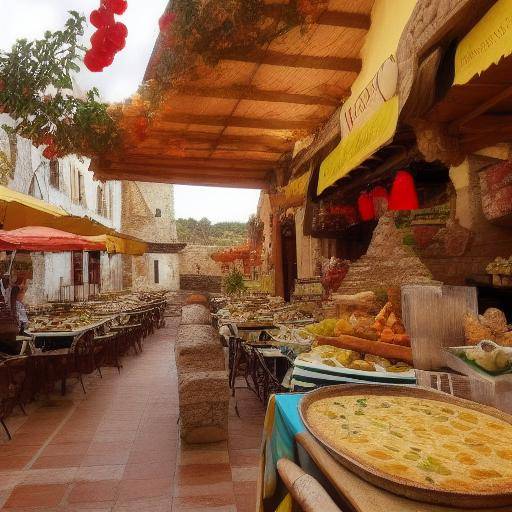
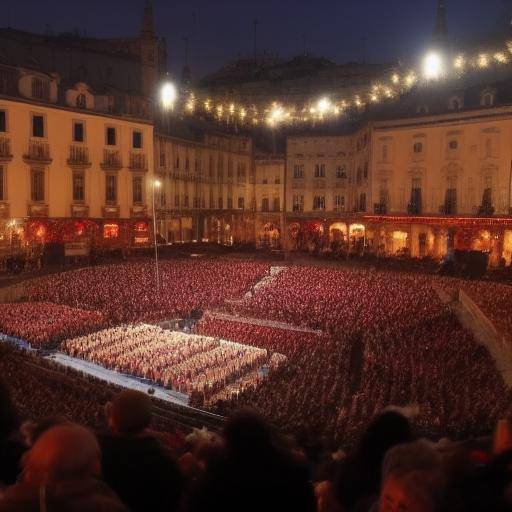
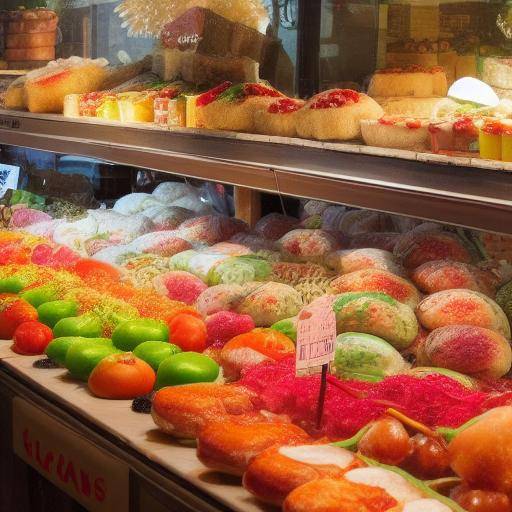
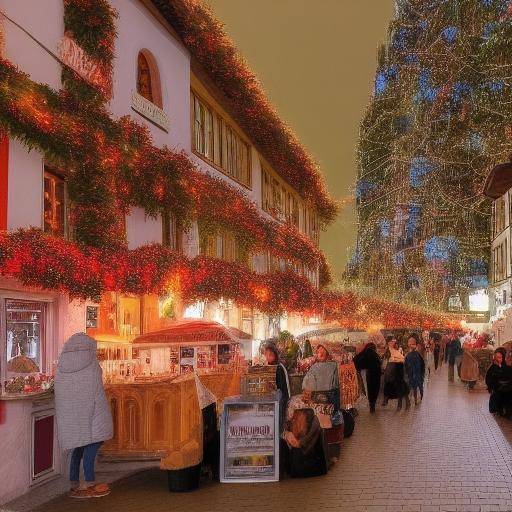
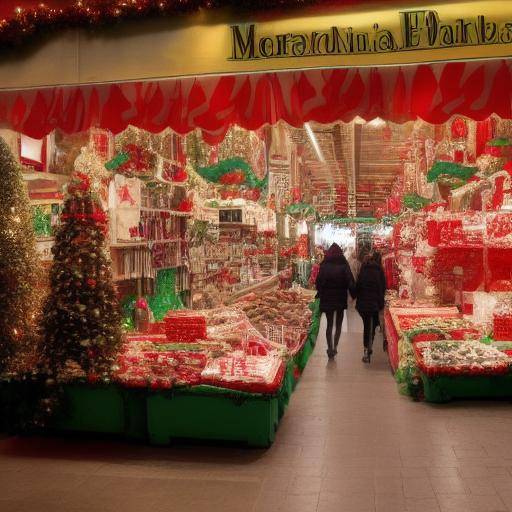
The emergence of Christmas markets in Germany represents a significant element of the holiday season. These markets offer a variety of artisanal products, culinary delights and traditional products that embody the Christmas spirit. However, the celebration of Christmas goes beyond markets, involving family meetings, preparation of traditional dishes and cultural shows that reflect the diversity of German heritage.
Comprehensive review
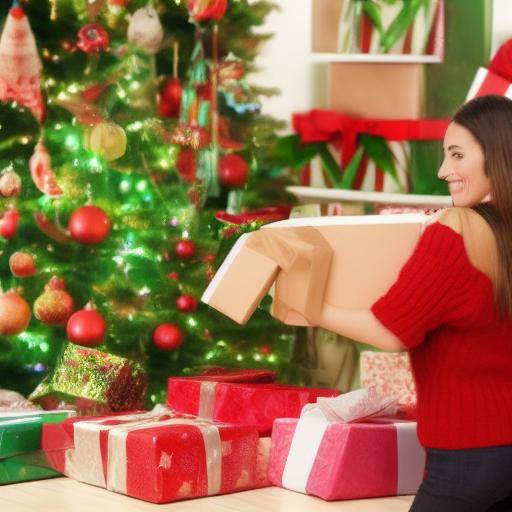
Christmas in Germany is an opportunity to celebrate the cultural heritage and the unique customs that have resisted the passage of time. From the elaborate Christmas Eve banquet to the delivery of gifts on Christmas Day, these practices represent a combination of tradition and modernity that make the celebration truly special.
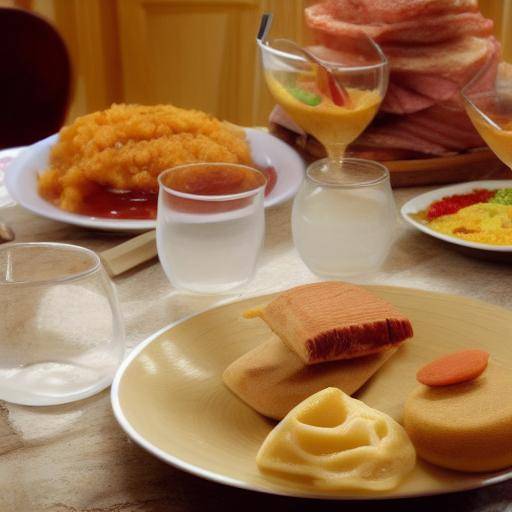
The Germans have the custom to celebrate Christmas Eve with a traditional feast that includes dishes such as the "Weihnachtsgans" (Christmas goose) or "Rinderbraten" (resert meat roasting), accompanied by garrisons such as "Rotkohl" (red pad) and "Kartoffelklöße" (pata puré balls). These culinary delights are an integral part of the celebration and reflect the importance of food in German culture.
Comparative analysis
By comparing the traditions of Christmas in Germany with other cultures, you can find significant similarities and differences. While in some countries it focuses on gift delivery, in Germany, attention focuses on the celebration of Christmas Eve and the decoration of the Christmas tree. In addition, culinary traditions vary widely, making the celebration of Christmas in Germany unique in its kind.
Practical Tips and Accessible Tips
If you are interested in experiencing German Christmas traditions, here are some practical tips to immerse yourself in this charming holiday:
- Visit a Christmas market: Experience the magic of Christmas markets in cities such as Nuremberg, Cologne or Munich, where you will find a variety of traditional craft products and culinary delights.
- Prepare traditional dishes: Discover authentic recipes for German Christmas dishes and enjoy the experience of preparing and savoring these culinary delights.
- Take part in festive activities: Join local holidays, Christmas choir concerts or cultural shows to experience the richness of German traditions.
Industry Perspectives and Expert Reviews
According to the opinion of experts in culture and traditions, Christmas celebrations in Germany reflect a unique combination of folklore, regional customs and modern elements that keep the magic of the Christmas season alive. These experts emphasize that the value of preserving traditions goes beyond the festive in itself and is fundamental to the cultural identity of the country.
Case Studies and Real Life Applications
Through several case studies, you can see how German Christmas traditions have influenced not only daily life, but also the economic and tourist development of different regions. Christmas markets, in particular, have proved attractive to visitors around the world, generating a significant impact on the local economy and promoting the preservation of traditional artisanal practices.
Future Trends and Predictions
As globalization continues its influence, Christmas traditions in Germany will adapt to new trends and preferences. It is expected that, despite the changes, the importance of entrenched customs will continue, as they form an integral part of cultural heritage and national identity.
Conclusion
In short, Christmas traditions in Germany go beyond Christmas markets and cover a rich history, charming holidays, meaningful rituals and distinctive culinary delights. In exploring these deep-rooted customs, the deep connection of Germany with its cultural legacy and the importance of preserving and celebrating these unique traditions is revealed.
Frequently asked questions
What is the oldest Christmas tradition in Germany?
The oldest Christmas tradition in Germany is probably that of the Christmas tree, which dates back to the sixteenth century. This custom spread throughout Germany and then to the rest of the world, becoming one of the most emblematic practices of the Christmas season.
What role do Christmas markets play in German traditions?
Christmas markets play a crucial role in German Christmas traditions. These markets offer a wide range of artisanal products, culinary delights, cultural shows and a festive atmosphere that attracts both locals and tourists.
How is Christmas Eve celebrated in Germany?
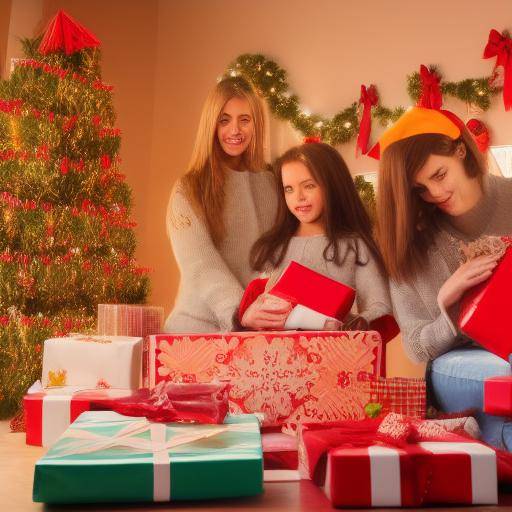
Christmas Eve in Germany is a family celebration that includes a traditional feast with dishes such as the Christmas goose, beef roast, red cabbage and potato puré balls. After dinner, gifts are usually given to children, followed by games, Christmas songs and other festive activities.
What is the most popular Christmas dessert in Germany?
One of the most popular Christmas desserts in Germany is the "Stollen", a bread of fruit and nuts covered with powdered sugar, aromatized with spices and mazapan filling. This delicious dessert is an essential part of the Christmas celebration in many regions of Germany.
What is the origin of the Advent calendar tradition?
The Advent calendar has its origins in the nineteenth century in Germany. Originally, it was to mark the days until Christmas with chalk lines at the door. Over time, this concept evolved into the Advent calendar with different boxes that open daily to reveal surprises, such as chocolates or small gifts.
What is the meaning of Bethlehem in the traditions of Christmas in Germany?
Bethlehem, known as "Krippe" in German, is an important part of Christmas traditions. It represents the scene of the birth of Jesus, with wooden or ceramic figures that portray Mary, Joseph, the child Jesus, the angels, the three Magi and the animals. Bethlehem is a central piece in many houses and churches during the Christmas season.
How is Christmas Day celebrated in Germany?
The Christmas day, known as "Erster Weihnachtstag", is usually celebrated in family with a special meal and gift delivery. In some regions, outdoor activities are also being carried out, such as snow-scape walks or visits to Christmas markets.
In conclusion, the traditions of Christmas in Germany are a fusion of history, cultural meaning and festive celebration. From Christmas tree to Christmas markets, these unique customs offer a fascinating view of the country's rich Christmas heritage. If you are interested in immerse yourself in the magic of German Christmas, get ready to discover a celebration full of charming traditions and culinary delights that will delight your senses and share the joy of the festive season!
With this complete guide, you are now ready to immerse yourself in the Christmas traditions of Germany and enjoy a celebration full of history, meaning and joy. Merry Christmas and Frohes Fest!