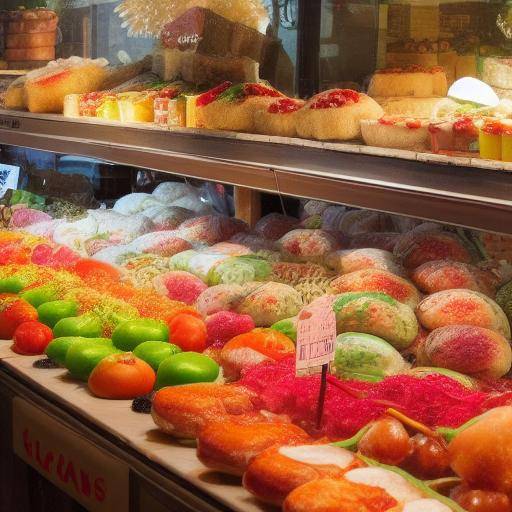
In the festive period, Christmas markets, also known as "Christmas Markets" or "Christmas Fair", are one of the most deeply rooted and picturesque traditions in many parts of the world. These markets not only offer a variety of unique and delicious Christmas products, but also create a magical environment that attracts people of all ages. In this article, we will explore the fascinating origin of Christmas markets, from their evolution in the Middle Ages to their relevance today.
Introduction: The Charm of Christmas Markets
Christmas markets are synonymous with the festive season, infusing warmth, joy and a touch of nostalgia in the hearts of everyone. As we enter this article, we will discover how these markets have been an integral part of the Christmas celebration for centuries, and how they have evolved to reflect the unique traditions and customs of each region. From Germany to Spain, and from Mexico to Canada, Christmas markets have a deep root in the history and culture of many societies, which gives them timeless charm.
The Medieval Origin of the Christmas Markets
The origin of the Christmas markets dates back to medieval Europe, where the holidays of the Advent season used to be a time of communal celebration. At that time, these markets were known as "Advent Markets" and focused on selling food, decorations and gifts for the celebration of Christmas. The vibrant atmosphere, marked by carols, handicrafts and the aroma of culinary delights, contributed to making them an annual event that conquered the hearts of people.
The Evolution of Christmas Markets
Geographic and Cultural Expansions
Over time, the Christmas markets were not limited to Europe, but spread all over the world, adapting to local traditions and tastes. Since the introduction of the first Christmas fair in Tallinn, Estonia, in the 15th century, to contemporary festivities in North America and Asia, Christmas markets have forged their own history in every corner of the planet.
Fusion of Traditions and Customs
As Christmas markets have been globalizing, they have absorbed and reflected the various Christmas traditions and customs of each region. From the elaboration of distinctive handmade ornaments to the presentation of typical seasonal dishes, these commercial spaces have become cultural ambassadors of Christmas, preserving and spreading the riches of folklore and local crafts.
The Contemporary Magic of Christmas Markets
A Renaissance in the News
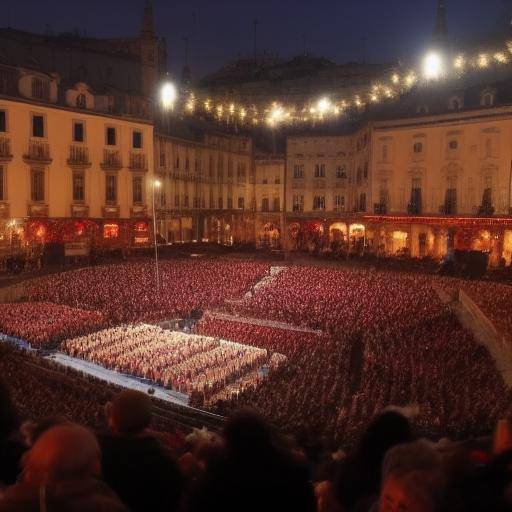
In the modern world, Christmas markets continue to captivate the crowds, combining the warmth of past traditions with the comforts of the present. The flashes of lights, the tempting aromas and the sense of community union make these fairs irresistible for people of all ages. Local artisans, street musicians and seasonal food stalls join in creating a magical atmosphere that transcends the barriers of time and technology.
Current Benefits and Challenges
While Christmas markets embody the festive spirit and provide a unique platform for local businesses, they also face challenges, such as competition with online shopping and the pressure to maintain their authenticity in the face of mass tourism. However, their ability to create immersive experiences and connect local communities remains a vital aspect of their current relevance.
Conclusion
In conclusion, Christmas markets have come a long way from their medieval origin, becoming an essential part of the global Christmas landscape. Its ability to merge ancient and contemporary traditions, preserve local crafts and foster community camaraderie has made them a lasting tradition that transcends geographical and generational borders. By celebrating cultural diversity and promoting the festive spirit, these markets continue to delight and surprise those who seek to experience the true magic of Christmas.
Frequently asked questions about Christmas markets
1. What is the oldest Christmas market in the world?
The oldest Christmas market in the world is in the city of Strasbourg, in the region of Alsace, France. This market, known as "Christkindelsmärik" in Alsaciano, has a history dating back to the 16th century and continues to attract visitors from around the world.
2. What is the origin of popular hot drink in Christmas markets?
The most traditional hot drink in Christmas markets is the Glühwein in Germany, also known as vin chaud in France and mulled wine in English. This drink is an infusion of red wine with spices and is often served hot, offering visitors a welcoming and festive feeling.
3. What is the most typical craftsmanship found in Christmas markets?
Typical crafts in the Christmas markets include handmade Christmas ornaments, decorative candles, hand carved wood toys, and textile products such as scarves and handmade socks. These articles reflect the creativity and craftsmanship of local artisans.
4. What is the difference between a Christmas market and a Christmas fair?
In general, there is no significant difference between a Christmas market and a Christmas fair, and they are often used indistinctly to describe this type of event. Both terms refer to an outdoor market that sells products related to Christmas and which usually includes a festive atmosphere with entertainment, decorations and traditional drinks.
5. What is the name of the character who represents Christmas in some Christmas markets?
In several European countries, especially in Germany, Austria and the Czech Republic, the character who represents Christmas in Christmas markets is known as Christkind, which means "Niño Jesus" in German. Christkind is portrayed as an angelic figure who distributes gifts and is associated with the spirit of Christmas.
6. How has the offer of products evolved in the Christmas markets in the modern era?
In the modern era, Christmas markets have incorporated a wider variety of products, ranging from traditional crafts to contemporary design products. In addition to the classic elements, markets now offer a diverse range of gifts, decorations and gastronomic products that reflect the evolution of consumer preferences.
With this article, we have thoroughly explored the evolution, relevance and timeless charm of Christmas markets, from their medieval origin to their vibrant presence today. Through its ability to preserve traditions and promote camaraderie, Christmas markets continue to be a cultural treasure that enriches Christmas experience for people around the world.
May this festive season be filled with joy, warmth and the inimitable magic of Christmas markets!