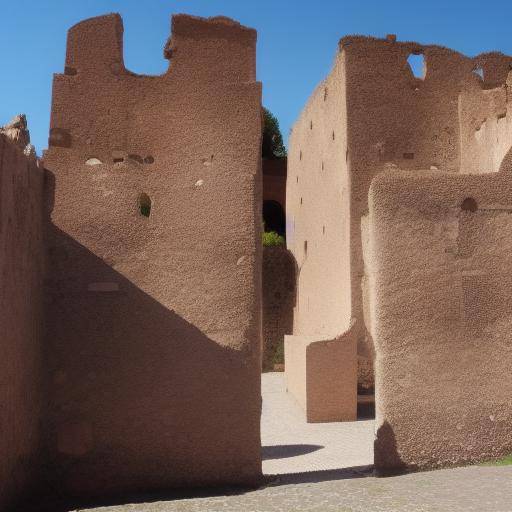
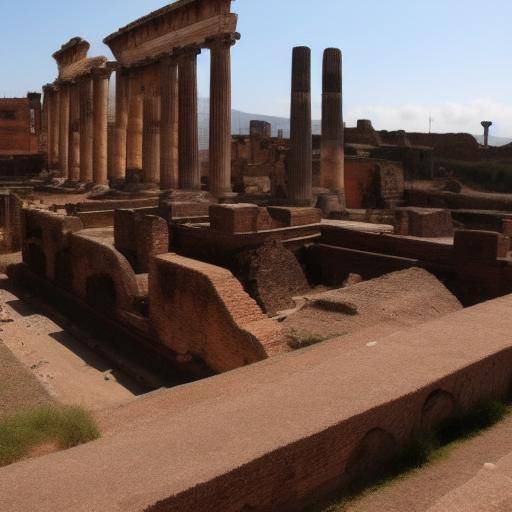
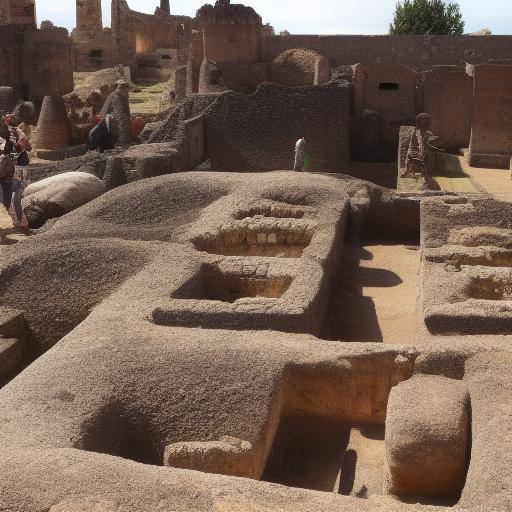
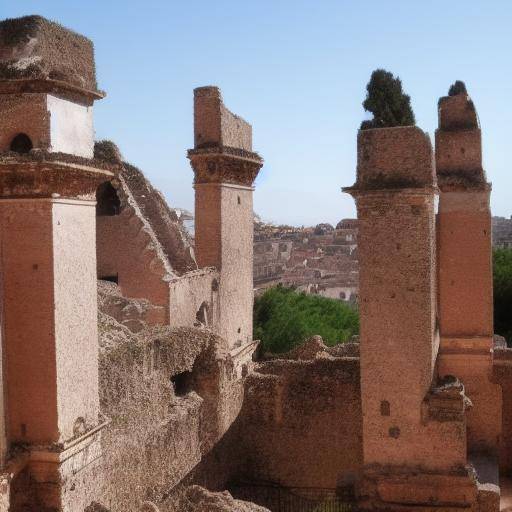
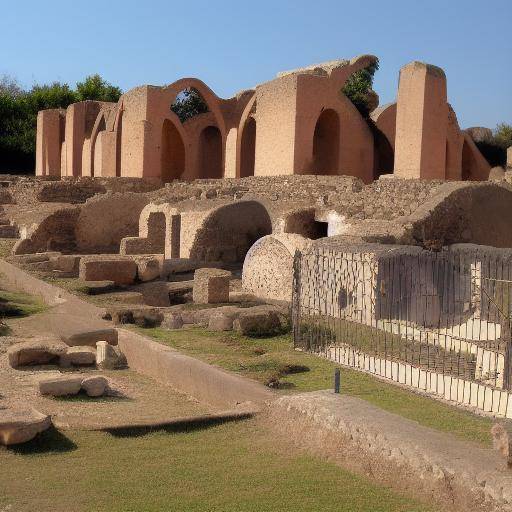
Pompeii is an intriguing historical site that has captivated people from around the world for centuries. His burial under volcanic ashes in the year 79 AD made him an exceptionally preserved testimony of the ancient world. Recently, archaeologists have made fascinating discoveries in the place, revealing new aspects of life in the ancient Roman city.
Introduction
The site of Pompeii has been an incomparable archaeological treasure since its discovery in the eighteenth century. The city was buried by the eruption of the Vesuvius volcano, which kept it almost intact for centuries. The most recent discoveries have shed light on the daily life, society and culture of Pompeya in ancient times. This article will take you on a journey in time to explore the most exciting findings that archaeologists have unearthed in this fascinating ancient city.
History and Background
Origins of Pompeii
Pompei, a thriving Roman city, thrived during the period of the Roman Republic and the early Roman Empire. Established in the seventh century BC, the city reached its peak during the reign of Emperor Augustus. It became an important shopping center and one of the most popular holiday destinations for the Roman elite.
Significado Histórico
Pompeii burial under tons of volcanic ash provided a unique snapshot of life in ancient Rome. The preservation of buildings, art, utensils and human remains has allowed archaeologists and historians to rebuild everyday life, economy, politics and religion in the old city.
Evolution of Discovery
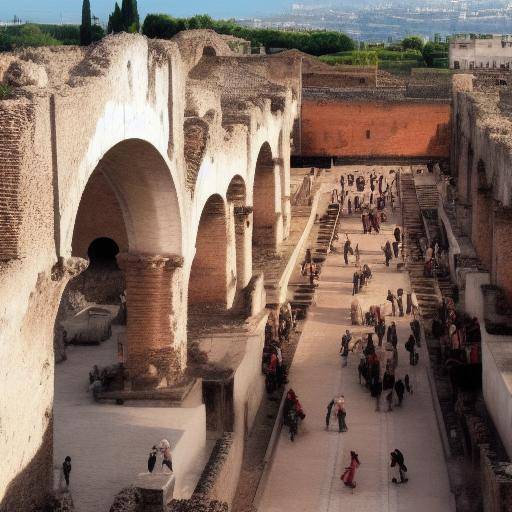
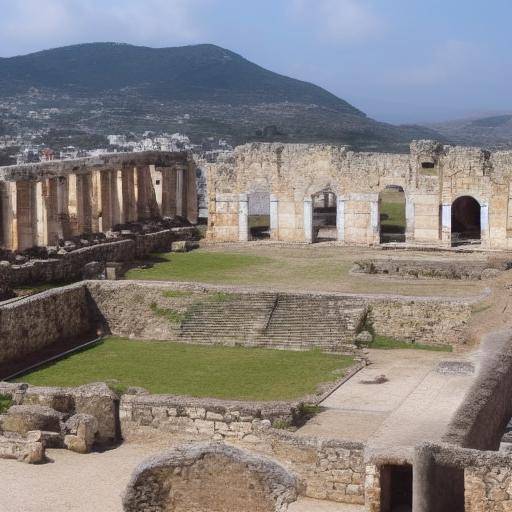
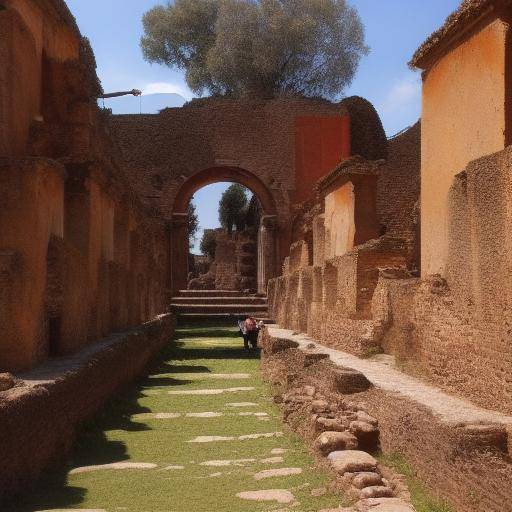
The rediscovery of Pompeii in the 18th century triggered a fervor for archaeology throughout Europe. Since then, countless excavations have been carried out, unearthing houses, alleys, public bathrooms, gardens and theatres that shed light on life in the old city.
Highlights
The most recent discoveries in Pompeii have been truly amazing. From well preserved human remains to exquisite works of art, the findings have broadened our understanding of life in the old city. For example, the recent exposure of a thermopolium, a popular fast food stall at the time, has provided detailed information on the diet and eating habits of the inhabitants of Pompeya.
Analysis in Deep
Importance of Discovery
The recent discoveries in Pompeii are of an invaluable importance for archaeology and understanding of ancient Roman civilization. They have provided concrete evidence of everyday life, religious beliefs, medicine, trade and social structure in the old city.
Challenges and Opportunities
However, archaeological advances also pose challenges, such as the continued preservation and financing of excavations. Despite these obstacles, the ongoing discoveries in Pompeya remain critical to broadening our knowledge of ancient history.
Perspectives and Views
Several experts and academics have expressed their enthusiasm for the most recent discoveries in Pompeya, highlighting their relevance to archaeology, history and culture. The archaeological community is united in its recognition of the importance of these findings for the understanding of Roman antiquity.
Comprehensive review
Applications and Best Practices
Discoveries in Pompeii have important applications in teaching, cultural diffusion and tourism. Museums and archaeological sites use these findings to enrich their exhibitions and offer visitors a deeper view of life in the ancient world.
Look at the Future
The future of archaeology in Pompeii is promising, with new technologies and methodological approaches that promise to reveal even more secrets of the ancient city. Discoveries are expected to continue to fascinate future generations and enrich our understanding of the past.
Comparative analysis
Pompey, Archaeology and Discoveries
The intersection between Pompeii, archaeology and discoveries is a fertile field for research and innovation. Studying the ancient city of Pompeii through the lens of archaeology provides a unique understanding of how the inhabitants of the city lived and died at a certain time in history.
Similarities and Variances
Pompeii shares similarities and differences with other archaeological sites, highlighting the importance of recent discoveries in relation to other historical contexts. The techniques and approaches used in Pompeii can serve as models for excavation projects in other parts of the world.
Potential synergies
Studies in Pompeii have also demonstrated the importance of developing interdisciplinary collaborations between archaeologists, conservation experts, art historians, anthropologists and natural scientists. This holistic approach has led to more complete discoveries and a deeper understanding of life in ancient times.
Practical Tips and Accessible Tips
Visits to Pompeii
If you plan to visit Pompeii, make sure that you investigate previously to make the most of your experience. Check the local guides, opening hours and conservation tips to better understand the importance and significance of the findings you will see on the spot.
Conclusions and FAQs
Conclusions
In conclusion, the most recent discoveries in Pompeii have enriched our understanding of life in the ancient Roman city. From the revelation of old fast-food businesses to the preservation of exceptional frescoes and mosaics, Pompeya continues to amaze us with its cultural and historical wealth.
Frequently asked questions
Why is Pompeii so important for archaeology?
Pompeii offers a unique window to ancient Roman civilization, providing an almost intact record of everyday life, architecture, art and customs of the time.
What are the most recent findings in Pompeii?
The most recent findings include a well-preserved thermopolium, human remains and ephemeral art that shed light on daily life in Pompeya.
What modern methods are used in Pompeii excavations?
Along with traditional excavation techniques, advanced technologies such as laser scanning and 3D cartography are used to map and preserve the site.
What is the impact of Pompeii discoveries on the understanding of history?
The discoveries in Pompeii have redefined our conception of ancient Roman life, showing in detail how the inhabitants of the city lived, worked and entertained before the devastating eruption of Vesuvius.
With the exciting panorama offered by the most recent discoveries in Pompeya, it is clear that this ancient city remains an inexhaustible source of knowledge and inspiration for present and future generations.