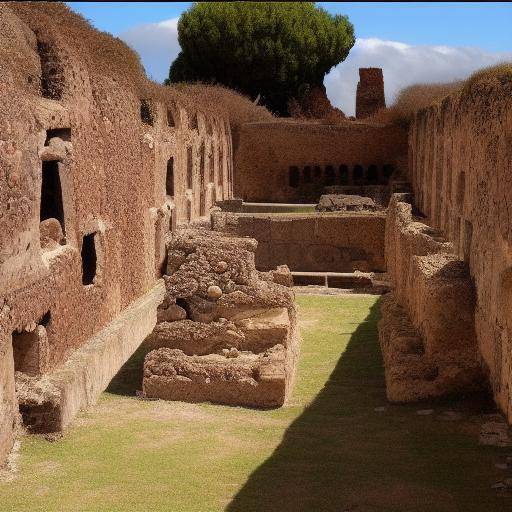
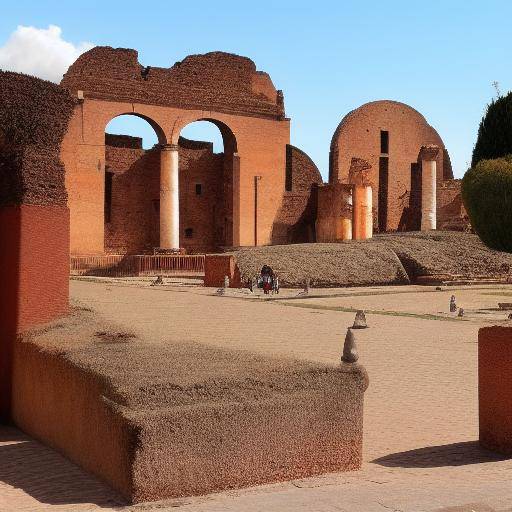
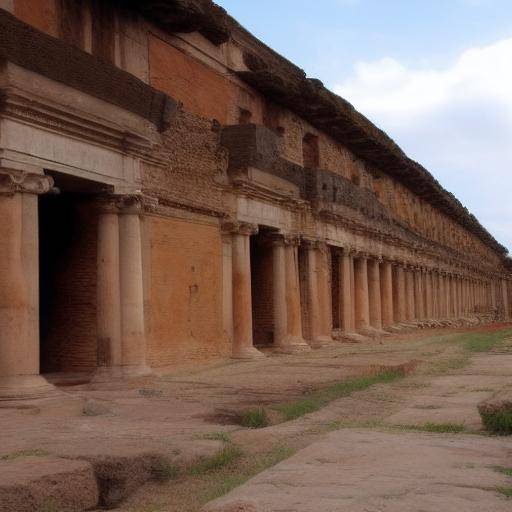
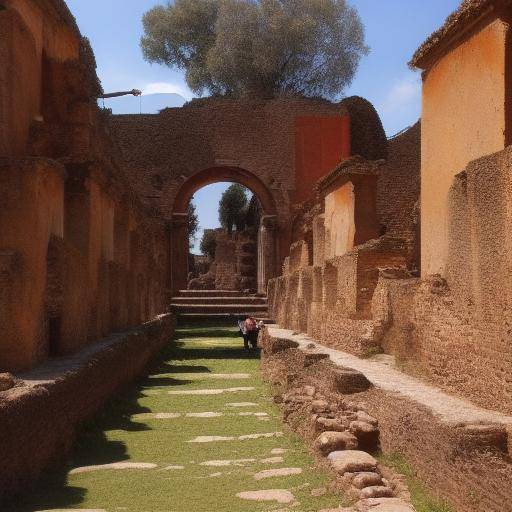
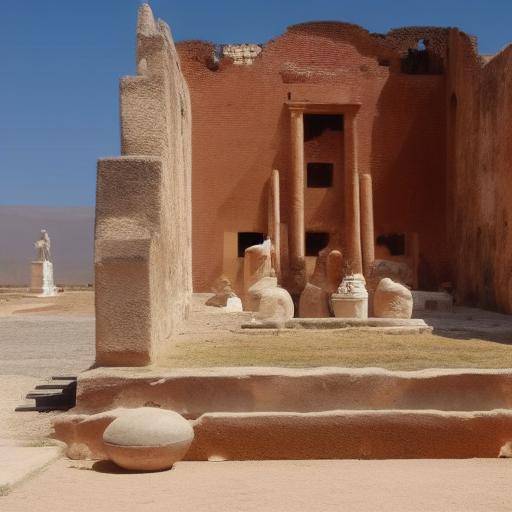
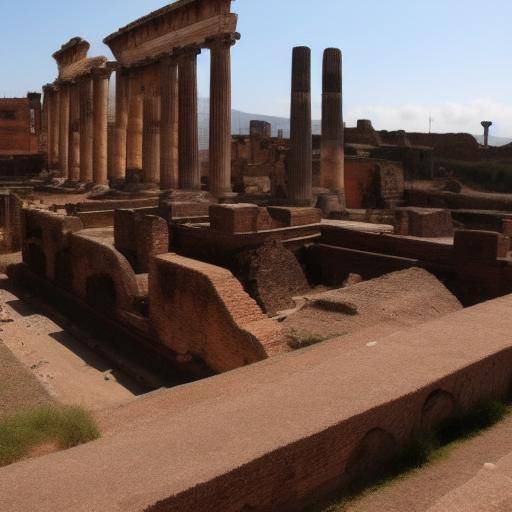
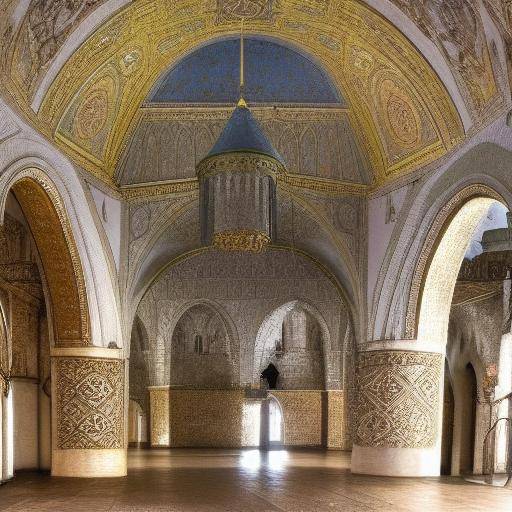
Welcome to this fascinating journey through time, where we will explore the ancient cities of Pompeya and Herculano, whose impressive stories and archaeological discoveries have captivated the world. Join us on this journey through these cities lost under the ashes of Vesuvius and discover the richness of its history and archaeology.
Introduction
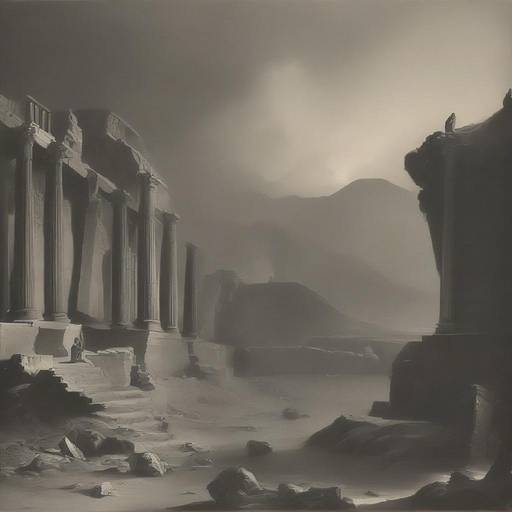
Imagine a vast landscape covered with volcanic ash, where time abruptly stopped almost 2,000 years ago. This is the legacy that left the colossal eruption of Mount Vesuvius in the year 79 AD, burying under tons of ash and lava to the prosperous cities of Pompeii and Herculaneum. The fate of these cities changed in an instant, but its legacy remains today as a testament to an ancient era.
In this article, you will immerse yourself in the history of Pompeya and Herculano, exploring its historical importance and the incredible archaeological findings that have revealed its mysteries. From the daily life of its inhabitants to the tragedy that marked its destiny, each detail gives us a window to the past that deserves to be discovered and valued.
History and Background
The history of Pompeii and Herculaneum dates back to the time of ancient Rome, when these cities were prosperous urban centers in the region of Campania, in current Italy. Pompeii, founded around the sixth century BC, flourished as an important port and shopping center. Herculano, although smaller, was also an active and prosperous city.
The Fatimid August 24, 79 AD, a violent eruption of Vesuvius covered both cities with a thick layer of ash, pumice stone and pyroclastic flow, dramatically preserving their structures, objects and human remains. This catastrophe caused the sudden death of thousands of people and sealed the fate of Pompeya and Herculaneum for centuries.
Archaeological Discoveries
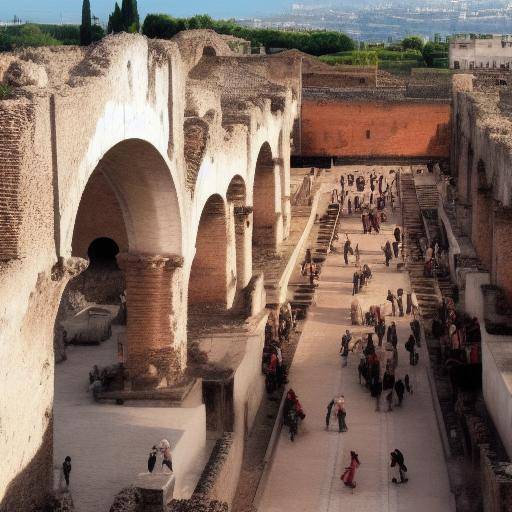
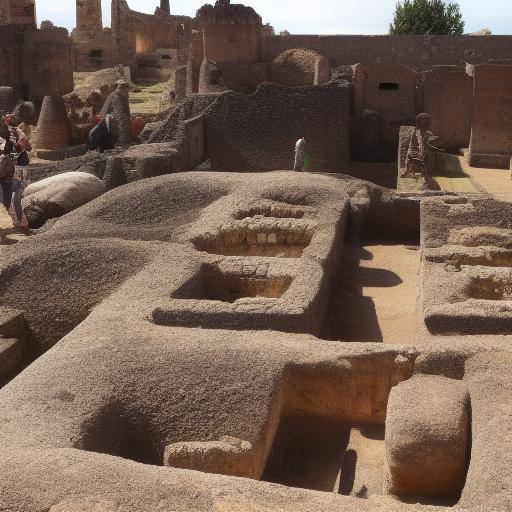
The rediscovery of Pompeii and Herculaneum in the 18th century triggered a revival of interest in Roman culture. Since then, archaeological excavations have revealed a treasure of information about life in ancient Rome. The preserved remains have allowed archaeologists to rebuild with amazing detail the daily life, architecture, art and beliefs of these ancient inhabitants.
Everyday, fresh, mosaics and magnificently preserved buildings give us a unique vision of Roman society and its cultural wealth. Through these discoveries, we have been able to better understand the social structure, customs and tragedies that marked life in these ancient cities.
Analysis in Deep
Archaeological research continues to reveal new findings and shed light on life in Pompeii and Herculaneum. Multidisciplinary studies, including laser scanning technologies, DNA analysis and accurate data, are enriching our understanding of these cities and their people.
The challenges of the conservation and preservation of archaeological sites are also central to the current efforts. The Italian authorities and archaeology experts face the challenge of protecting these treasures from the past while making them accessible to the public and researchers of the future.
Comprehensive review
The importance of the preservation of Pompeii and Herculaneum transcends its historical and cultural value. These cities are living laboratories that allow us to study and understand fundamental aspects of ancient society. The application of cutting-edge technologies, along with interdisciplinary approaches, promises to unravel even more secrets buried under the Vesuvius ash.
Comparative analysis
When comparing Pompeii, history and archaeology, interesting reflections arise. Pompeii's story reveals how the Vesuvius eruption transformed a prosperous city into a frozen testimony in time. Archaeology, for its part, plays a crucial role in discovering and preserving these vestiges, allowing the rebuilding of history and understanding the cotidianity of its inhabitants. These disciplines are intertwined to offer a unique window to the past, highlighting the vital importance of preserving archaeological heritage for future generations.
Practical Tips and Recommendations
If you ever have the opportunity to visit Pompeii and Herculano, it is important to respect the archaeological environment and follow the indications of the guides and local authorities. To carefully observe the details of the frescoes, mosaics and architectural structures will give you a unique experience, allowing you to appreciate the daily life and the amazing artistic achievements of ancient Rome.
Ideas and Implications of the Industry
Discoveries and studies around Pompeii and Herculano continue to impact archaeology and history. These archaeological sites serve as benchmarks for the development of conservation techniques, excavation and analysis of materials, which has revolutionized the methods of archaeological study worldwide. In addition, cultural tourism in these historic sites fuels the local economy and promotes the preservation of heritage.
Case studies and practical applications
One of the most fascinating cases of study is that of the Villa de los Misterios in Pompeya, which houses stunning frescoes that have challenged traditional interpretations. Ongoing studies have cast new perspectives on these frescos, their meanings and their relation to the mystery rituals that were held in ancient Rome. This example underlines the importance of continuing research and constantly reviewing our interpretations.
Future Trends and Predictions
The future of Pompeii and Herculano is marked by continued archaeological exploration, the preservation of deposits and the development of technologies to study these sites. Progress in scientific analysis, conservation and archaeological technique is expected to continue to reveal new aspects of life in these old cities. In addition, greater emphasis is placed on scientific disclosure and the use of increased reality to enrich the experience of visitors.
Conclusions
Pompeii and Herculaneum, cities lost under Vesuvius, are timeless legacies that invite us to reflect on the fragility of human existence and the imposing force of nature. Through history and archaeology, these cities allow us to rebuild the greatness and tragedy of the past, as well as to honor the memory of those who lived in them.
Frequently asked questions
1. What is the importance of Pompeii for history and archaeology?
Pompeii is crucial for history and archaeology, as it offers a detailed view of life in ancient Rome, preserved by the eruption of Vesuvius.
2. What are the main archaeological findings in Herculano?
The main findings in Herculano include residential structures, frescoes, mosaics and everyday objects that have allowed us to understand the daily lives of its inhabitants.
3. How does cultural tourism impact in the preservation of Pompeya and Herculano?
Cultural tourism contributes to the preservation of these sites by financing conservation, promoting awareness of their importance and generating support for future research.
4. What technologies are used in the archaeology of Pompeii and Herculaneum?
Various technologies, such as laser scanning, DNA analysis, carbon dating 14 and virtual reconstruction studies, are used to investigate and preserve archaeological remains in a non-invasive manner.
5. What is the social impact of the discoveries in Pompeya and Herculano?
The discoveries in Pompeii and Herculaneum have broadened our understanding of life in ancient Rome, fueling the interest in history and archaeology, and enriching culture and knowledge.
6. What is the future of archaeological research in Pompeya and Herculano?
Archaeological research in Pompeya and Herculano is expected to continue to use innovative technologies, and to continue to contribute to reveal new aspects of life in ancient Rome and the impact of natural disasters on civilizations.
In conclusion, the history and archaeology of Pompeii and Herculano provide a unique window to the past, revealing a tragic but fascinating perspective of life in ancient Rome. These archaeological treasures continue to be a source of wonder and study, reminding us of the importance of preserving the historical legacy for future generations. As we advance in the discovery and understanding of these ancient cities, we enrich ourselves with an invaluable connection to our cultural and human legacy.
It concludes here our journey through these lost cities under the Vesuvius, but its legacy will endure forever in the memory and admiration of the generations to come.
Thank you for accompanying us on this exciting archaeological and historical journey!
With this extensive and detailed content, the aim has been to create an informative, captivating and optimised article to search. The article comprehensively covers the history and archaeology of Pompeya and Herculano, offering an enriching perspective that promotes greater interest in the subject.