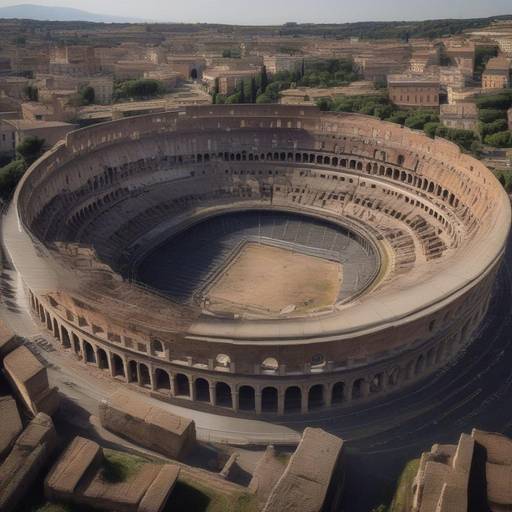
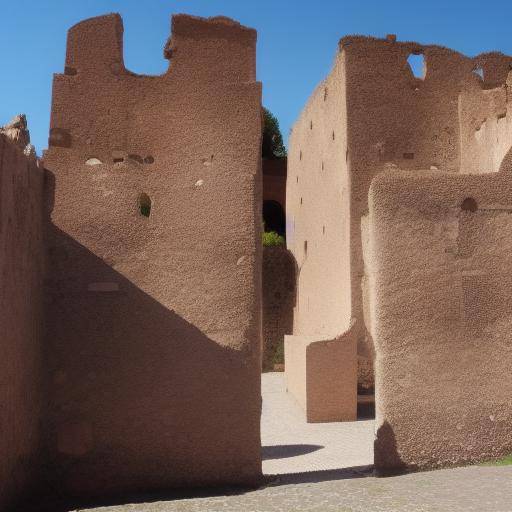
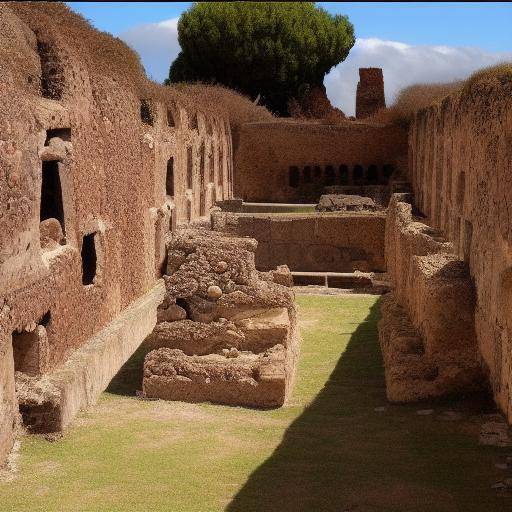
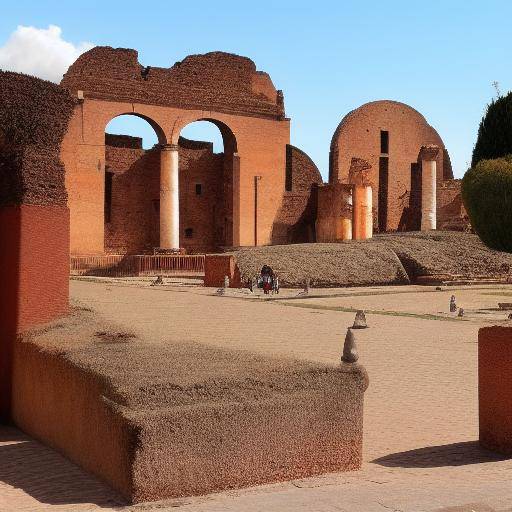
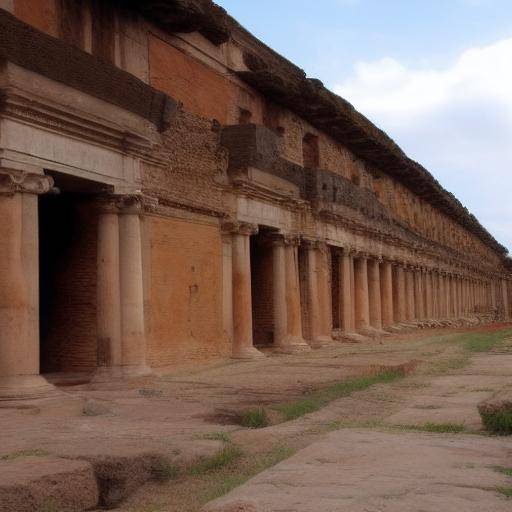
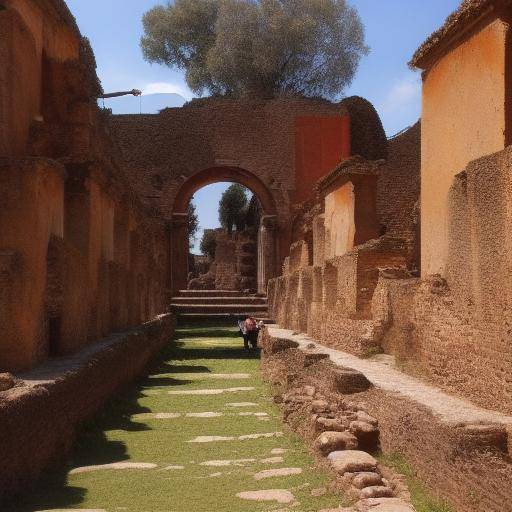
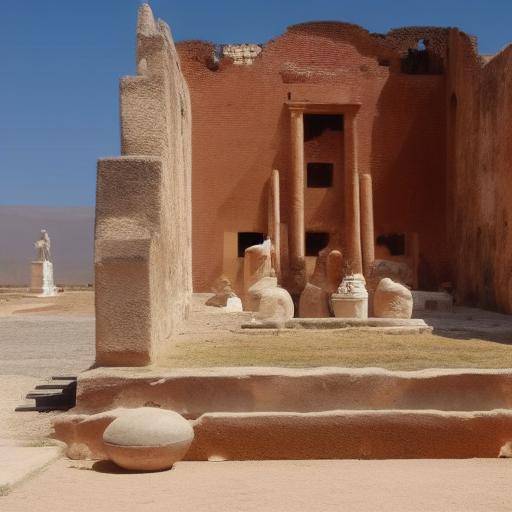
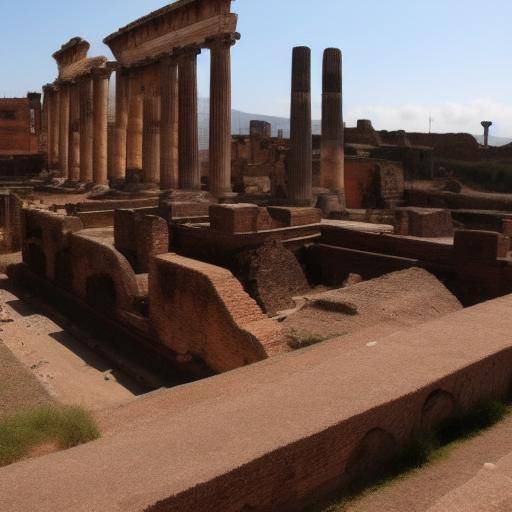
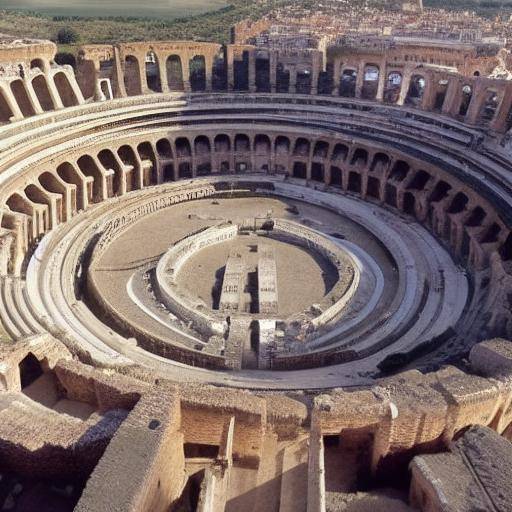
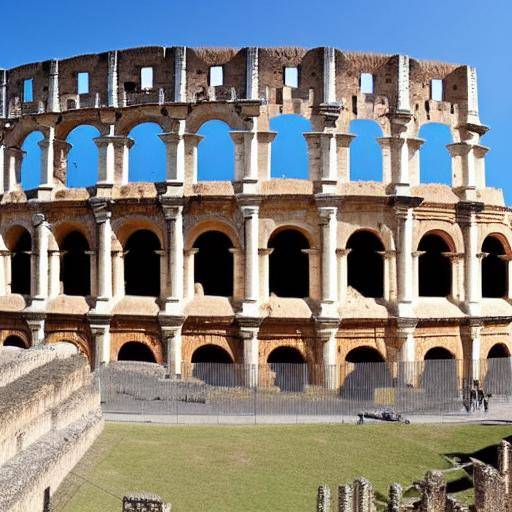
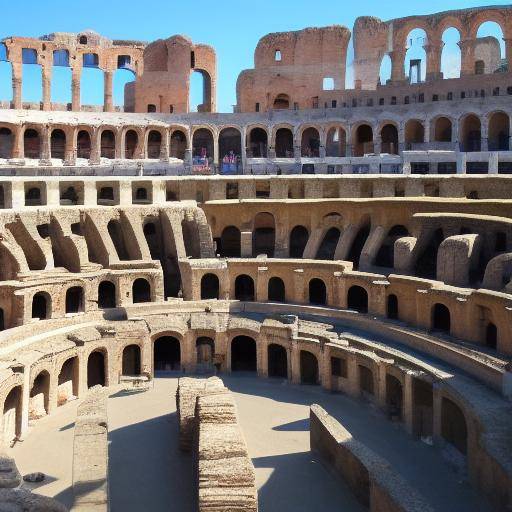
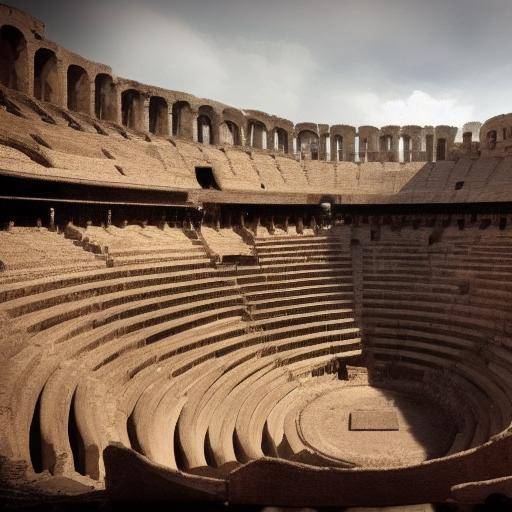
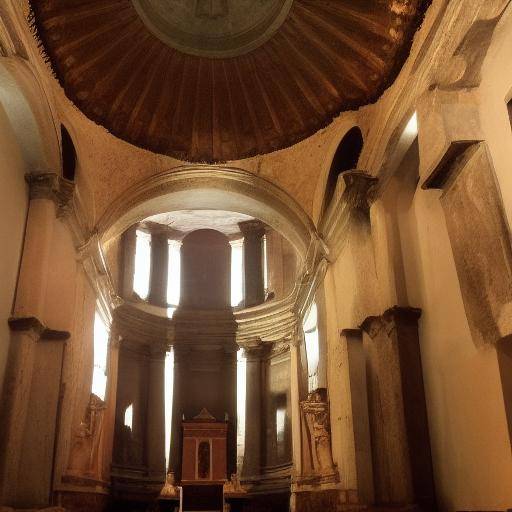
Pompeii is an archaeological site that breathes history and mystery in every corner. This article will guide you through the photographic experience in Pompeya, Italy, providing you with essential information, advice, and a detailed view of how to capture the essence of this iconic place through the lens of your camera.
Introduction
Welcome to the definitive guide to capture the essence of Pompeya through photography. Dive into the ancient history of Italy as we explore this fascinating archaeological site and discover how its picturesque ruins offer unique opportunities to capture unforgettable moments. Join us on this photographic journey that will take you through centuries of history and inspire you to capture the eternal beauty of Pompeya through your own images.
History and Background
Origins and Historical Significance
Pompei, a prosperous city of the Roman Empire, was buried by the eruption of Vesuvius in 79 AD. For centuries, its ruins remained hidden under a thick layer of volcanic ash until they were rediscovered in the eighteenth century. This natural tragedy froze the everyday life of the city, giving us a window to ancient Roman life.
Evolution and Discovery
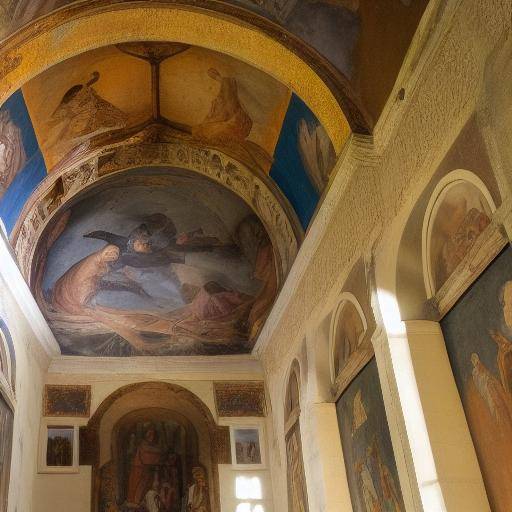
Since its rediscovery, Pompeii has been a focus of study and archaeological interest. His influence on art, culture, and knowledge of the ancient world is undeniable. Continuous excavations have revealed fascinating treasures, from mural paintings to everyday objects, which allow us to glimpse the daily lives of the inhabitants of Pompeii.
Deep analysis
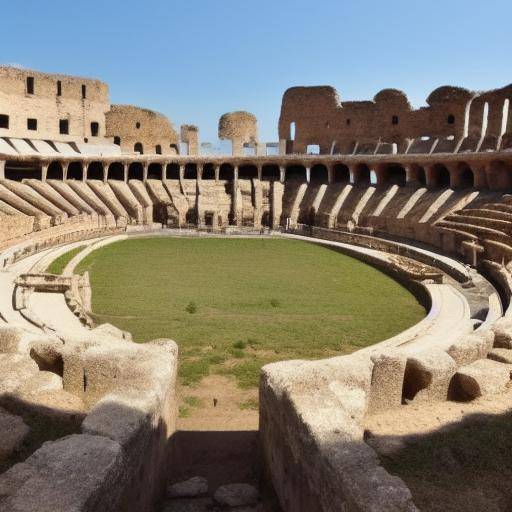
Photography in Pompeii presents unique challenges. The interaction between natural light and the textures of ruins provides opportunities to capture unique and evocative compositions. The capacity of photography to preserve moments and emotions merges with immortalized history in every stone, providing an exciting and moving visual experience.
Comprehensive review
Exploring Pompeii through the camera lens offers an opportunity to deepen the practice of photography. From composition techniques to creative use of light, photography in Pompeya awakens creativity and offers a unique perspective for lovers of photography, whether amateur or professional.
Comparative analysis
Photography in Pompeii shares affinities with photography of architecture, landscapes, and documentary. However, it presents an additional challenge by merging history with visual aesthetics, allowing a narrative and artistic approach to each capture.
Practical Tips and Accessible Recommendations
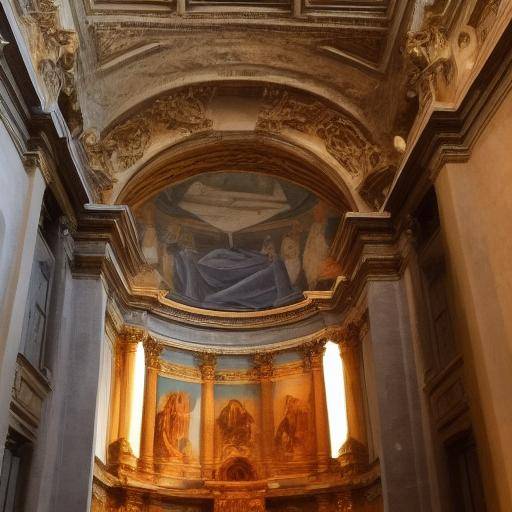
- Explore the beauty of the details: Pompeii is full of everyday objects, paintings, and architectural matrices that offer an extraordinary opportunity to capture the intrinsic essence of Roman life.
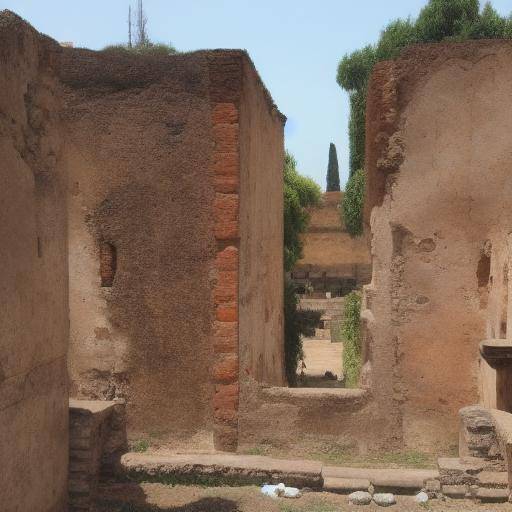
- Take advantage of natural lighting: The morning and evening light creates a magical atmosphere in the ruins, highlighting the textures and colors of the structures, creating a unique atmosphere for your photographs.
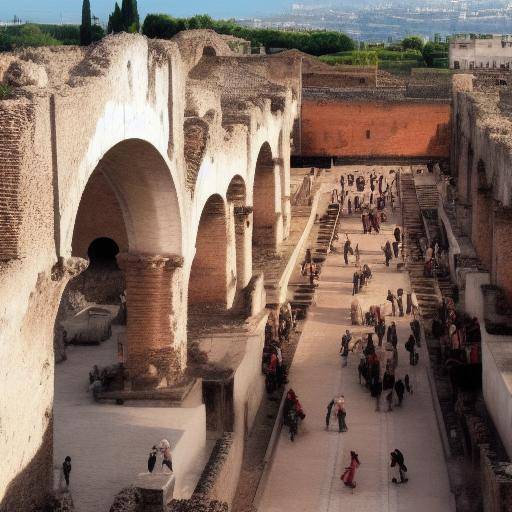
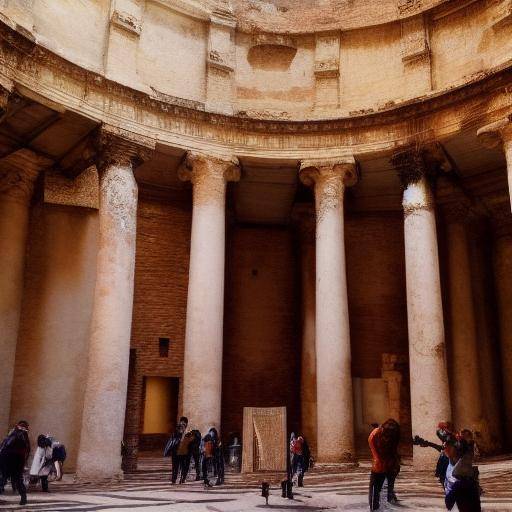
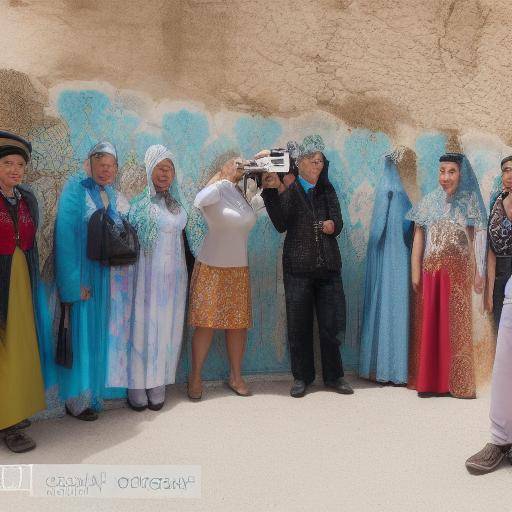
- It incorporates human elements: The presence of visitors in the ruins can provide scale, perspective and a sense of connection between past and present in your photographs.
Industry Perspectives and Expert Reviews
Reflections of the Future
Photography in Pompeii continues its evolution as technological advances provide new tools and creative approaches. Experts are excited about the evolution of archaeological photography and its role in the visual narrative of the past in constant change.
Real Life Practices and Examples
Several photographers have used Pompeii as a backdrop for artist and documentary projects, demonstrating that photography in this archaeological site offers an exciting opportunity to explore the intersection between history, culture and visual creativity.
Future Trends and Predictions
Photography in Pompeii is a constantly evolving field. Future research and technological developments are expected to provide new ways of understanding and capturing the essence of Pompeya through photography. This combination of living history and technological innovation promises to continue to inspire and challenge photographers in the years to come.
Conclusion
We hope that this article has given you a clear view of how to capture the essence of Pompeya through photography. From rich history to stunning visual aesthetics, Pompeya offers countless opportunities to explore and express the essence of this unique place through your photographs.
Frequently asked questions
Question 1: How can I prepare to take photographs in Pompeii?
Preparation is key. Be sure to investigate the photo rules on the site and consider the weather and time of the day to plan your visit and ensure memorable catches.
Question 2: What special considerations should I have when photographing ruins and ancient art?
When you photograph ruins and ancient art, it is important to be respectful and follow the established rules. Avoid the use of artificial lights that can damage or alter spaces and objects.
Question 3: What are the best moments of the day to photograph in Pompeii?
The first hours of the morning and the last of the afternoon often offer the most attractive light to photograph the ruins, providing soft shadows and an evocative atmosphere.
Question 4: What photo equipment would you recommend to capture Pompeii?
It is recommended to wear a camera with versatile lenses that allow you to play with different focal distances. It also considers wearing a tripod to capture sharp images in low-light conditions.
Question 5: How can I highlight the connection between history and photography in my images?
Find elements to help tell the story and emotional connection to the place. Incorporate people in your photographs to add a sensation of scale and connection to the past.
Question 6: Are there special restrictions on photography in Pompeii?
Yes, there are some restrictions in specific areas, such as the interior of the buildings, so it is important to respect the indications to preserve the heritage.
With these frequently asked questions, we hope you have the information necessary to prepare your photographic adventure in Pompeya.
In short, photography in Pompeya not only captures moments in time, but also connects the present generations with the legacy of ancient Roman civilization. Whether you are a photography enthusiast or a curious observer, Pompeya offers an infinite canvas of visual and cultural inspiration that deserves to be explored. Prepare your camera and get carried away by the eternal magic of this awesome place!