Introduction
The natural and cultural majesty of the surroundings of the Besakih Temple in Bali offers a unique experience for lovers of adventure and hiking. Dive into the beauty of nature in this region full of mysticism and history. In this article, we will thoroughly explore the Besakih Temple, hiking activities, as well as the exciting adventures that await in these places. You will discover the essence of this sacred place and the spectacular possibilities it offers for exploration. From the rich history of the temple to the panoramic views that are discovered while walking, this comprehensive guide takes you to an unforgettable journey.
Besakih Temple: Sacred Heritage
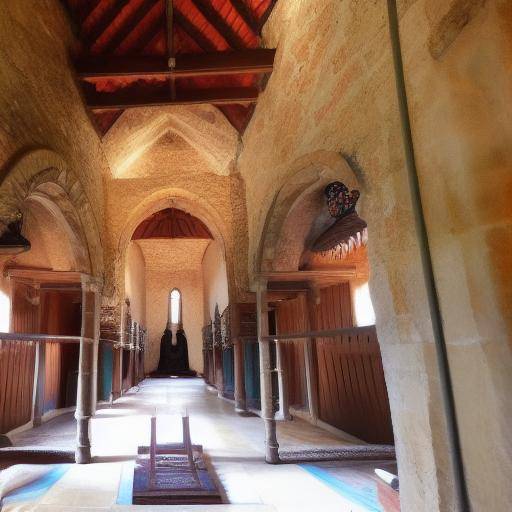
The Besakih Temple, known as the "Mother Temple" in Bali, is the largest and most sacred temple complex on the island. Its origin dates back to the ancient Balinese religion, Hinduism, and its complex architecture reflects the rich cultural heritage of the region.
The development of the temple over the centuries has been marked by significant historical events, which has shaped its structure in a place of profound spiritual and cultural importance. For example, the eruption of Mount Agung in 1963 had a dramatic impact on the temple, reflecting its significance and its current importance.
The presence of local guides and the interpretation of their narratives help to better understand the religious and cultural aspects of the temple, adding meaning to the experience.
Exploring the Besakih Temple is to immerse yourself in the history and spirituality of the island, a journey that promotes the understanding of the traditions and legacy of Bali.
Hiking in the Arounds of the Temple
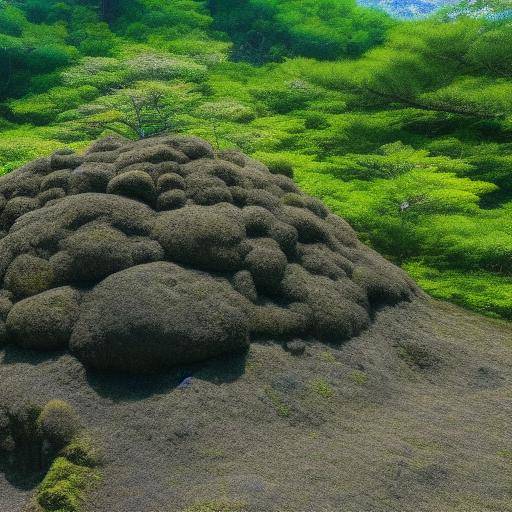
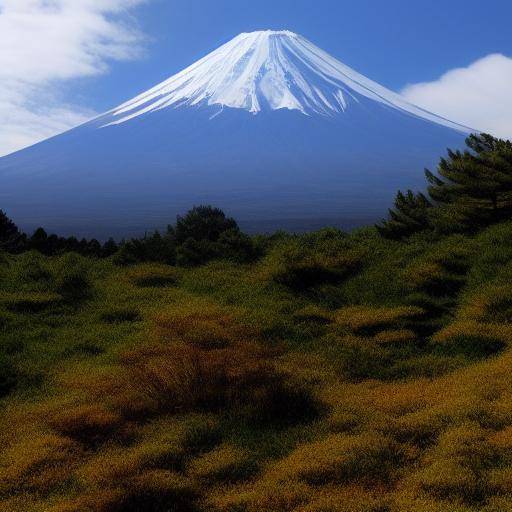
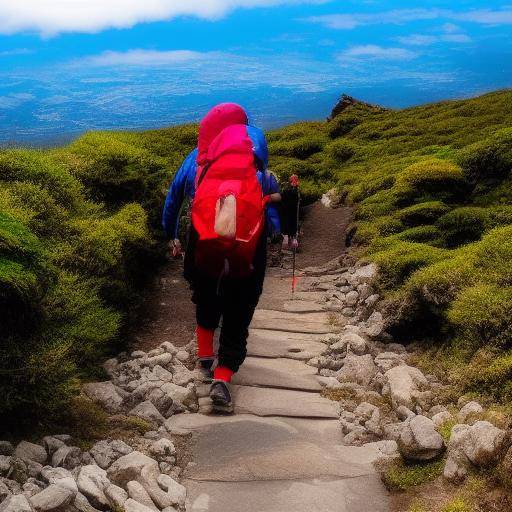
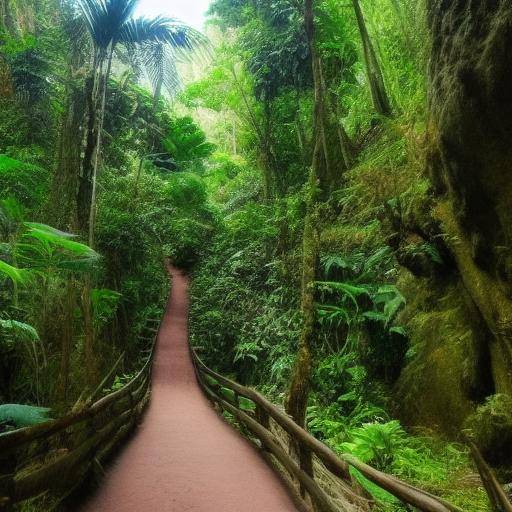
Hiking around the Besakih Temple offers a unique opportunity to connect with lush nature and stunning landscapes. The trails wind through rainforests, rice fields on terraces and small traditional villages, giving you spectacular views of Mount Agung, the highest volcano in Bali.
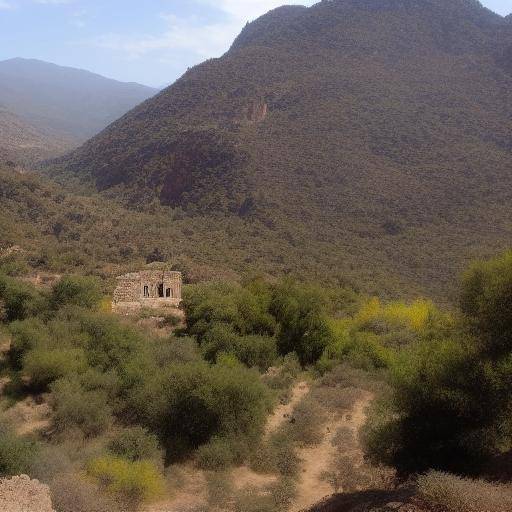
Hiking routes vary in difficulty and duration, from gentle paths to challenging climbs for experienced hikers. Each path leads to hidden treasures, such as hidden waterfalls and panoramic viewpoints that will leave you breathless.
It is advisable to have a local guide, who know perfectly the paths and share their wisdom about the flora, fauna and history behind each route. This guided experience channels not only adventure, but also education about the natural and cultural environment of the region.
Adventure in the Besakih Landscapes
Beyond hiking, the surroundings of the Besakih Temple host endless opportunities for adventure. From exciting bike rides across the rice fields to rafting activities in brava waters along the Ayung River, the region offers experiences that awaken the thirst for adventure.
The most intrepid can also enjoy exciting activities such as paragliding or trekking on the hillside of Mount Batur at dawn. These activities provide a unique perspective of the natural beauty of the region, while experiencing the excitement of exploration.
Conclusion
The combination of the cultural wealth of the Besakih Temple, hiking opportunities and exciting adventures in the surroundings make this region an unforgettable destination for lovers of exploration and adventure. The combination of spirituality, nature and emotion is the heart of this experience in Besakih, which promises to leave a lasting impression on each visitor, regardless of their individual interest. Focus on the beauty of this region and discover everything it offers in a journey that will captivate your senses and leave an imprint in your heart.
Frequently asked questions
What is the best time of the year to visit the Besakih Temple and its surroundings?
The best time to visit the Besakih Temple and its surroundings is during the dry season, which runs from April to September. During these months, the climate is more predictable and there are fewer possibilities of rain, which facilitates the exploration of the paths and the realization of outdoor activities.
Is it necessary to hire a guide to enjoy the most of the hiking experience?
Hiring a local guide is highly recommended to make the most of the hiking experience around the Besakih Temple. Guides not only know the paths to perfection, but also share their knowledge of the region's flora, fauna and history, significantly enriching the experience.
What are the accommodation options close to the Besakih Temple?
The region near the Besakih Temple offers a variety of accommodation options, ranging from luxury hotels and resorts to cheap guesthouses and bungalows. Candidasa, Sidemen and Ubud are some of the nearby areas that offer a wide range of accommodation options to meet different budgets and preferences.
What kind of equipment is needed for hiking around the Besakih Temple?
For hiking around the Besakih Temple, it is advisable to wear comfortable and suitable footwear for walking, light and breathable clothing, insect repellent, sunscreen, hat, water and light provisions. Depending on the length and difficulty of the trail, it can also be useful to carry a walking stick and a small first aid kit.
What other adventure activities can be enjoyed in the surroundings of the Besakih Temple?
In addition to hiking, visitors can enjoy exciting adventure activities such as rafting in white waters, bike tours through the rice fields, paragliding from nearby hills, visits to hidden waterfalls and trekking at dawn on Mount Batur.
How long is it recommended to explore the surroundings of the Besakih Temple?
To fully enjoy the experience of exploring the Besakih Temple and its surroundings, it is recommended to book at least three days. This time allows you to explore the temple, perform hiking and adventure activities, and immerse yourself in the rich culture and natural beauty of the region.