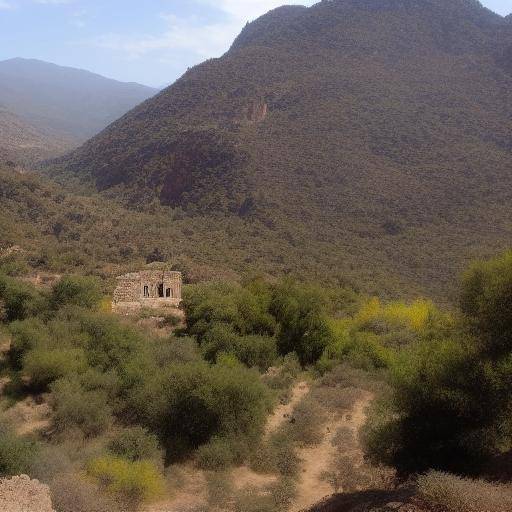
Torres del Paine National Park, located in the Magellan and Chilean Antarctic region, is one of the most impressive and exciting destinations for nature and adventure lovers. With its majestic mountains, imposing glaciers, lakes of turquoise waters and a unique wildlife, this park is a paradise for travelers who seek unforgettable experiences in the midst of spectacular landscapes.
In this guide, we will explore the various routes and activities offered by Torres del Paine National Park, as well as its historical relevance, the current context of adventure in Chile, and how this magnificent place has become one of the most emblematic destinations for nature and adventure lovers.
History and Background
Torres del Paine National Park has a rich history dating back to the pre-Columbian era, when these lands were inhabited by the nomadic villages of the region. During the following centuries, these lands passed through various stages of colonization and development that left a mark on their landscape and biodiversity. However, it was in 1959 when the park was established in its current form, with the aim of protecting its exceptional natural values.
Evolution of the Park
The recognition of the importance of Torres del Paine National Park as a conservation area has been expanding over the years, with the designation of UNESCO as a Biosphere Reserve in 1978 and the incorporation into the World Heritage List in 1985. These milestones have contributed to positioning the park as one of the most emblematic destinations of ecotourism worldwide.
Recent developments
In recent years, the park has experienced a significant increase in the influx of visitors, which has posed challenges in terms of tourism management and ecosystem conservation. The authorities have implemented measures to ensure a sustainable approach that allows you to enjoy the natural beauty of the park without compromising its long-term integrity.
Analysis in Deep
Benefits and Challenges
Torres del Paine National Park offers a wide range of benefits, both for the conservation of biodiversity and for the local economy through sustainable tourism. However, the challenges of preserving this fragile ecosystem against tourism pressure and climate change are significant and require a holistic approach to ensure its long-term protection.
Current trends
The demand for adventure experiences in natural environments has experienced remarkable growth, leading to a greater diversification of activities and services offered in the park. From hiking and wildlife sighting to ice climbing and star observation tourism, Torres del Paine National Park has become a world-class adventure destination.
Comprehensive review
Applications and Best Practices
The management of tourist destinations of nature such as Torres del Paine National Park requires the implementation of sustainable practices that balance human participation with the conservation of the natural environment. The development of ecological tourism infrastructures, environmental education and the participation of local communities are critical to ensuring the long-term viability of such destinations.
Outlook of Experts
The future planning of Torres del Paine National Park is at a crucial crossroads, where decision-making informed by science and the participation of multiple actors are fundamental to ensuring harmonious coexistence between human beings and nature. Experts on conservation, tourism and sustainable development provide unique insights on how to address the present and future challenges of the park.
Comparative analysis
Torres del Paine National Park stands out as one of the most emblematic destinations in Chile, offering an exceptional combination of natural beauty, unique biodiversity and unique adventure experiences. Compared to other national parks in Chile, the magnificent Torres del Paine places it in its own category, attracting travelers from around the world in search of a deep connection with nature.
Practical Tips and Useful Tips
Preparation for Adventure
Before undertaking any route or activity at Torres del Paine National Park, it is essential to be well prepared. It is recommended to carefully investigate and plan the routes, carry the appropriate equipment, and take into account the variable weather conditions. In addition, respecting standards of conduct in protected natural areas is essential for preserving the integrity of the park and its environment.
Respect for Nature
The conservation of Torres del Paine National Park is the responsibility of all visitors. You should avoid leaving trash or deteriorating the natural environment, staying on designated paths and respecting wildlife. Environmental awareness and respect for nature are essential to ensure that future generations can enjoy the majesty of this place.
Industry Perspectives and Expert Reviews
Sustainability and Preservation
The future of Torres del Paine National Park depends to a large extent on the ability of the authorities and actors involved in tourism and conservation to foster a sustainable and responsible approach. The implementation of effective management policies, investment in research and education, and the promotion of conscious tourism are crucial aspects to preserve this natural heritage for generations to come.
Experiences in the Park
The stories and testimonies of explorers and adventurers who have experienced unforgettable experiences in Torres del Paine National Park provide a unique vision of the magic and grandeur of this place. His stories enrich the narrative of the park, highlighting the importance of its conservation and the transcendence of its landscapes for the human spirit.
Case Studies and Practical Applications
Impact of Ecotourism
Ecotourism in Torres del Paine National Park not only provides unforgettable travel opportunities, but also contributes to the preservation of the nature and well-being of local communities. The analysis of specific cases highlights how responsible tourism can generate economic and environmental benefits while promoting awareness of the importance of conservation.
Future Trends and Predictions
Evolution of Adventure Tourism
Emerging trends in adventure tourism show a growing focus on authentic and sustainable experiences, aligned with the philosophy of Torres del Paine National Park. The development of innovative ways of adventure that respect the integrity of natural and cultural resources is shaping the future of the nature tourism industry.
Challenges and Opportunities
The continued growth of tourism in Torres del Paine National Park poses significant challenges in terms of sustainability, impact management and balance between conservation and development. In turn, it represents an opportunity to promote responsible tourism practices, promote scientific research and strengthen the links between tourism, conservation and local development.
Conclusions and FAQs
Conclusions
Torres del Paine National Park is an invaluable natural treasure that combines scenic beauty with biodiversity in a protected environment. Its importance as a tourist destination and its role in environmental conservation places it at a central location within the tourist landscape of Chile. The preservation and responsible enjoyment of this natural heritage are fundamental to ensuring its continuity and relevance in the future.
Frequently asked questions
What are the best hiking trails in Torres del Paine National Park?
The best hiking trails in Torres del Paine National Park include the famous W Circuit, the Mirador Las Torres trail and the hike to the Grey Glacier. These trails offer stunning views of granite peaks, glaciers and turquoise lakes that make this park such a special destination.
What adventure activities can be performed at Torres del Paine National Park?
Torres del Paine National Park offers a wide range of adventure activities, ranging from hiking and mountaineering to kayaking, wildlife sighting and camping. Adventure enthusiasts will find in this place a paradise to explore and enjoy unique experiences in nature.
What is the best time of the year to visit Torres del Paine National Park?
The best time to visit Torres del Paine National Park is during spring and southern summer, from October to March, when the weather is warmer and dryer, and the flora and fauna are in full splendour. However, the park also offers its beauty at other stations, each with its own particular appeal.
What is the importance of Torres del Paine National Park for conservation?
Torres del Paine National Park plays a crucial role in the conservation of various ecosystems, species of flora and fauna, many of which are endemic in the region. The protection of this natural heritage contributes to the preservation of biodiversity, the protection of water resources and the mitigation of climate change.
What are the security measures you should take when visiting the park?
When visiting Torres del Paine National Park, it is important to follow safety standards, respect the signs of the park rangers, be prepared for sudden climate change, bring sufficient provisions and respect the signs and restrictions to ensure a safe and pleasant experience.
How does tourism contribute to local development in the vicinity of the park?
Tourism in Torres del Paine National Park has promoted the economic and social development of local communities, generating employment opportunities, entrepreneurship and services related to hospitality and tourism. Responsible tourism promotes the preservation of cultural identity and local heritage.
The exploration of the Torres del Paine National Park is a unique experience that leaves an imprint on all those who have the fortune to visit it. From its stunning rock formations to the rich variety of fauna and flora, this place offers an amazing natural setting that invites adventure and contemplation. With responsible management and commitment to preserve its integrity, the park will remain an unmatched destination for nature and adventure lovers, an emblem of Chile's wild beauty.