Introduction
Wine tourism, or in Spanish, the "rutas del vino", in Oceania offer a truly unforgettable experience. From the picturesque vineyards to the world-renowned wineries, all these attractions are masterfully intertwined with the natural beauty of the region. In this article, we will thoroughly explore the wine routes in Oceania, the emerging wine region covering Australia, New Zealand and the South Pacific islands. From the rich winemaking history to the current tourist trends, this article will provide key information, practical advice and a vision of the future of wine tourism in Oceania.
History and Background
Wine routes in Oceania have deep historical roots dating back to the time of European colonization. The first vineyards were established in Australia and New Zealand in the nineteenth century, marking the beginning of the wine industry in the region. Over time, the success and quality of Oceania wines have gained worldwide recognition, attracting both winemakers and tourists.
In Australia, regions such as the Barossa Valley and Margaret River have played a key role in the development of the wine industry. The diversity of climates and soils has allowed the production of a wide range of wines, from robust reds to refreshing targets. On the other hand, New Zealand has gained fame for its wines of sauvignon blanc and pinot noir, with the region of Marlborough as its wine jewel.
Analysis in Deep
Wine tourism in Oceania offers many benefits, from the opportunity to taste award-winning wines to the possibility of experiencing local culture. However, it also presents challenges, such as sustainable tourism management in rural areas. As the demand for enological experiences grows, it is crucial to find a balance between tourism development and the preservation of the natural environment.
The use of technology, such as mobile applications and virtual reality, is transforming the way visitors interact with wine routes. This has led to a more personalized and educational experience for tourists, while providing wineries with the opportunity to improve their marketing and sales strategies.
Comprehensive review
Wine routes in Oceania present various exemplary applications and practices that can serve as a model for other wine regions. The integration of environmental sustainability in winemaking operations and tourism experiences is a distinctive aspect of the region. In addition, the collaboration between wineries and local companies has strengthened the offer of winemaking in Oceania.
Comparative analysis
Comparatively, the wine routes in Oceania are distinguished by the diversity of their landscapes and climates, allowing a wide range of grape varieties and wine styles. This contrasts with wine routes in other regions, such as Europe, where tradition and history play a dominant role in the wine industry.
Practical Tips and Accessible Tips
If you are planning a trip to wine routes in Oceania, here are some practical tips to make the most of your experience:
- Research the wineries and regions that interest you before your trip.
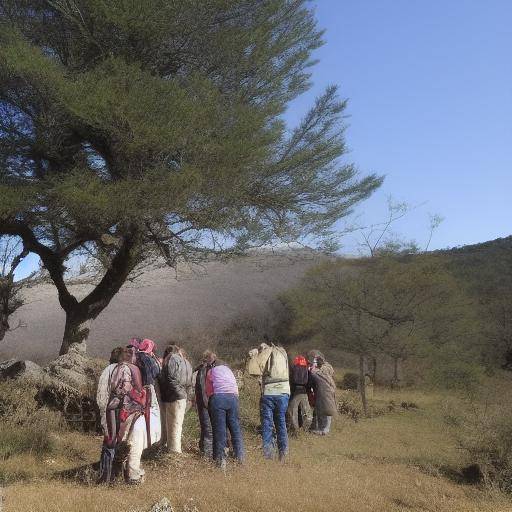
- Consider joining a guided tour to get detailed information about the region and its wines.
- Do not limit yourself to tastings; participate in activities related to vintage, wine making or pairings of food and wine.
Sector Information and Views of Experts
The experts of the wine industry highlight the continuing potential for the growth and development of winemaking in Oceania. With a unique combination of stunning and diverse landscapes, the region has the power to captivate wine lovers around the world. In addition, industry leaders underline the importance of sustainability and the preservation of wine-growing heritage to ensure the long-term success of wine routes in Oceania.
Case Studies and Real Life Applications
An outstanding example of success in winemaking in Oceania is the wine region of Central Otago in New Zealand. With its alpine landscape and reputation in the production of pinot noir, this region has succeeded in attracting travelers from around the world, generating a positive impact on the local economy. The cooperation between the wineries, the community and the authorities has been essential for the sustainable development of wine tourism in this place.
Future Trends and Predictions
The future of wine tourism in Oceania seems promising, with a greater focus on sustainability, innovation and authenticity. Wine tourism is expected to continue to grow, attracting travelers who are looking for meaningful experiences and connected with nature. The wine regions of Oceania are preparing to embrace these emerging trends and promote responsible and enriching winemaking.
Conclusion
Wine routes in Oceania offer a unique experience that combines the pleasure of tasting extraordinary wines with stunning landscapes and a rich enological culture. From the history and evolution of the wine industry to future trends, this article has thoroughly explored the enotourism in this growing region. If you are looking for an unforgettable adventure, do not hesitate to explore the wine routes in Oceania and discover everything this magnificent region has to offer.
Frequently asked questions
What are some of the most emblematic grape varieties of wine routes in Oceania?
The most emblematic grape varieties of Oceania include sauvignon blanc and pinot noir in New Zealand, and shiraz and sauvignon cabernet in Australia.
What is the best time of the year to visit the wine routes in Oceania?
The ideal time to visit the wine routes in Oceania is during the fall, when festivals of vintage are celebrated and the landscapes are dressed with autumnal colors.
Is it necessary to book in advance the visits to the wineries in Oceania?
Yes, for some wineries and special enological experiences, it is recommended to make reservations in advance to ensure your participation.
What are the accommodation options available near the wine routes in Oceania?
The accommodation options close to the wine routes in Oceania range from boutique hotels and elegant guest houses to cozy rural inns and camps in the middle of the vineyards.
What kind of complementary activities can be enjoyed on the wine routes in Oceania?
In addition to wine tastings, many wineries in Oceania offer enogastronomic experiences, such as marital tastings, cooking classes and marital lunches with local wines.
Is there a minimum age to participate in wine tastings in Oceania?
The minimum age to participate in wine tastings varies in each region and winery, but it is usually required to have at least 18 years to taste wine.
With a unique combination of stunning landscapes, exceptional wines and an authentic enological experience, wine routes in Oceania are a must for wine lovers and travelers in search of memorable adventures.