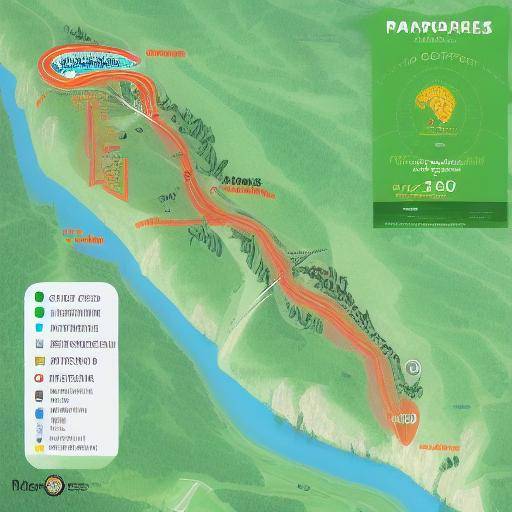
The Camino de Santiago is one of the most emblematic and spiritual journeys in the world. From the majesty of the Pyrenees to the beauty of the Galician coast, this path offers breathtaking landscapes that captivate the avid pilgrims of nature and adventure. In this article, we will explore the most dazzling panoramas along the Camino de Santiago, highlighting its incalculable beauty and historical significance. Join us on this journey through the nature of Spain, where the earth and the spirit intertwine in a unique experience.
Introduction to the Camino de Santiago
The Camino de Santiago, also known as the Camino de Compostela, is a network of pilgrimage routes that converges in the city of Santiago de Compostela, in Galicia, northwest of Spain. With a history dating back over a thousand years, the path has been traveled by millions of pilgrims, spiritual seekers and nature enthusiasts. This journey not only offers a physical journey, but also an inner journey, in which the walkers dive into the rich history, vibrant culture and stunning landscapes of Spain.
The Way is not only a route, but a symbol of spiritual search and connection with nature. Each pilgrim has a different motivation, whether religious, cultural or simply the desire for an adventure in nature. What unites all is the transformative experience that the Camino de Santiago promises at every step.
Nature on the Camino de Santiago
The natural landscapes offered by the Camino de Santiago are as diverse as captivators. From the majestic mountains of the Pyrenees to the rolling meadows of La Rioja and the lush forests of Galicia, each stage of the road reveals a new wonder of nature. The pilgrims have the opportunity to immerse themselves in the virgin beauty of Spain as they follow the steps of those who preceded them over the centuries.
The Pyrenees: Entrance to the Way
The French Way, one of the main routes of the Camino de Santiago, begins in the Pyrenees, offering a spectacular entrance to the crossing. The imposing peaks, the serene valleys and lush forests create an impressive backdrop for the first steps of this spiritual adventure. The pilgrims are dazzled by the greatness of nature as they cross the border between France and Spain.
La Rioja: Vineyards and Landscapes of Winemaking
As pilgrims advance through La Rioja, they are received by endless vineyards on terraces that extend under a deep blue sky. This dream landscape provides a breath for the soul, where the changing colors of the seasons paint a vivid picture of nature in constant transformation. The combination of vineyards, mountains and rivers creates an ethereal scene that is recorded in the memory of the pilgrims.
Galicia: An Abrazo Verde in the End of the World
The last stage of the Camino de Santiago leads pilgrims through the magical forests of Galicia, whose lush and thick greens hide ancient secrets and treasures of nature. The wild and steep coast of Galicia, sprinkled with stunning cliffs and virgin beaches, is the perfect epilogue for this natural odyssey. Finally, the arrival in Santiago de Compostela, with its majestic cathedral, is the culmination of this journey, where spirituality merges with the grandeur of nature.
Conclusion
The Camino de Santiago is much more than a physical journey: it is a unique opportunity to immerse yourself in the stunning nature of Spain and in the spiritual and cultural heritage of one of the oldest pilgrimage routes in the world. Throughout this journey, pilgrims witness the incomparable beauty that nature gives to Spain, a land of contrasts and surprises that welcomes visitors with open arms and guides them through magnificent landscapes.
Frequently asked questions
What are the most impressive landscapes of the Camino de Santiago?
The most impressive landscapes of the Camino de Santiago include:
- The Pyrenees: With its majestic mountains and valleys, the Pyrenees offer a spectacular entrance to the French Way.
- La Rioja: Known for its endless vineyards and dream landscapes, La Rioja provides a visual and emotional respite.
- Galicia: The green forests and the steep coast of Galicia are the perfect epilogue for this natural and spiritual journey.
What is the best time of the year to visit the Camino de Santiago?
The best time to visit the Camino de Santiago is during the spring (April to June) and autumn (September and October). During these periods, the climate is more moderate and there are fewer agglomerations of pilgrims. Summer is also popular, but it can be very hot and crowded.
What route on the Camino de Santiago offers the best landscapes?
Each Camino de Santiago route offers unique and beautiful landscapes. The French Way is known for its landscape diversity, from the Pyrenees to Galicia. The North Way offers spectacular views of the Cantabrian coast, while the Portuguese Way combines coastal and rural landscapes.
Is it necessary to be in a good physical way to visit the Camino de Santiago?
While it is not necessary to be an athlete to visit the Camino de Santiago, it is advisable to be in good physical form. Getting ready with regular walks and strengthening exercises can help you enjoy the route without problems. It is important to listen to your body and move forward at your own pace.
How does the weather affect the experience of the Camino de Santiago?
The weather can vary considerably along the Camino de Santiago. It is important to be prepared for different weather conditions, from the heat of summer to the rains of autumn and spring. Bringing proper clothes and waterproof equipment is essential to enjoy the experience without drawbacks.
What impact does the Camino de Santiago have on the environment?
The Camino de Santiago attracts thousands of pilgrims every year, which can have an impact on the environment. It is important to follow sustainable tourism practices, such as not leaving waste, respecting local flora and fauna and using accommodation and services that promote sustainability. In addition, some routes are implementing measures to reduce the ecological footprint of pilgrims.
What are the most common challenges facing pilgrims on the Camino de Santiago?
Some of the most common challenges facing pilgrims on the Camino de Santiago include:
- Physical fatigue: Long daily walks can be exhausting.
- Climate conditions: Rain, extreme heat or cold can affect the experience.
- Ampoules and Injuries: The use of inappropriate footwear or lack of physical preparation can cause foot and other injuries.
- Orientation and signaling: Although the routes are well marked, it may sometimes be difficult to find the right path.
What resources are available to help pilgrims along the Camino de Santiago?
There are numerous resources available for pilgrims on the Camino de Santiago, including:
- Hostels: Economic and safe accommodation along the routes.
- Guides and Maps: Publications and mobile applications that provide detailed information on routes.
- Backpack Transport Services: Companies that transport the luggage of the pilgrims between stages.
- Medical assistance: Health centers and pharmacies available in the main locations of the road.
What is the spiritual meaning of the Camino de Santiago?
The Camino de Santiago has a profound spiritual meaning for many pilgrims. Originally, it was a religious pilgrimage route to the tomb of the Apostle Santiago in Santiago de Compostela. Today, the path remains a spiritual experience for many, providing a time of reflection, meditation and connection with oneself and nature.
In short, the Camino de Santiago is a multifaceted experience that offers not only stunning natural landscapes, but also an opportunity for personal and spiritual growth. With proper preparation and an open spirit, pilgrims can enjoy an unforgettable journey through one of the oldest and most beautiful pilgrimage routes in the world.