Introduction
Recent discoveries in Cartago have revealed fascinating details of the rich history of this ancient city. From impressive archaeological findings to evidence that redefine our understanding of the past, this article offers a detailed look at how Cartago has unearthed valuable treasures buried in time. We will explore the historical meaning of Cartago, the exciting discoveries made in the field of archaeology, and how these findings have shed new light on ancient history.
History and Background
Cartago, situated in what is today Tunisia, was one of the most powerful civilizations in the ancient world. Founded in the 9th century B.C. by the Phoenicians, Cartago flourished as an important commercial and maritime center in the Mediterranean. The city reached its peak in the 3rd century BC, extending its influence along the northern coast of Africa and competing with Rome for the control of the Western Mediterranean.
The might of Cartago was evident in its formidable infrastructure, which included impressive walls, magnificent temples and a powerful naval fleet. However, in the year 146 BC, after the Punic Wars, Carthage was rooted by the Roman army, and its lands were ruined.
Discoveries in Archaeology
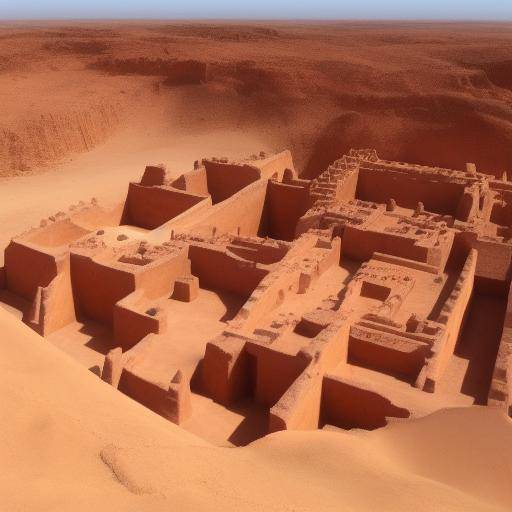
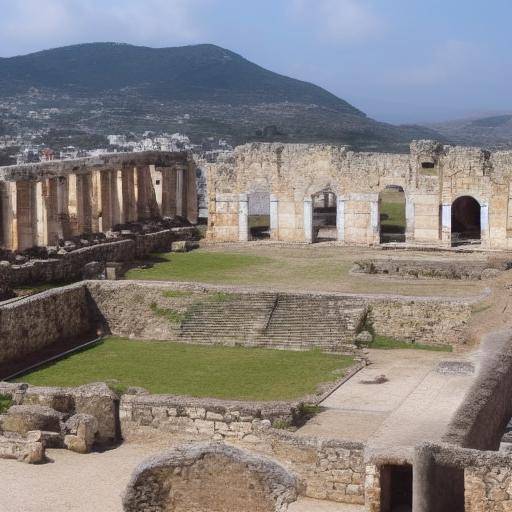
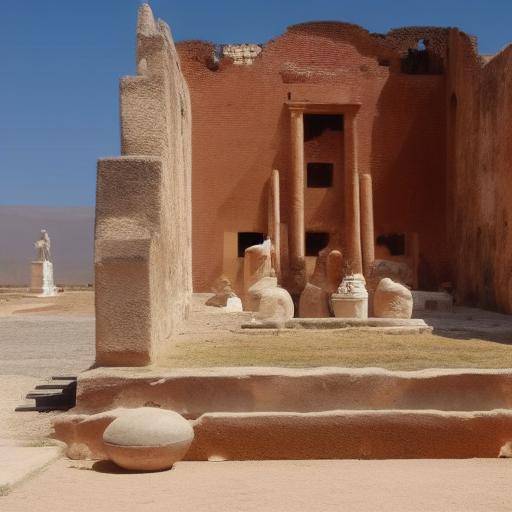
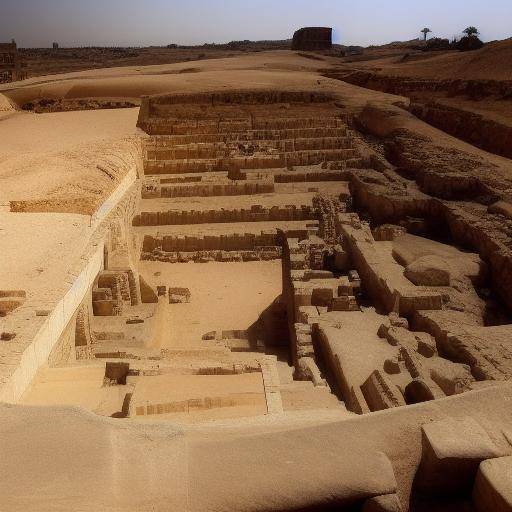
In recent decades, progress in archaeology has revealed amazing discoveries that shed new light on the life and traditions of the former Carthage. Archaeologists have unearthed richly decorated temples, complex water supply systems, majestic tombs and everyday artifacts that offer unprecedented knowledge about daily life in the old city.
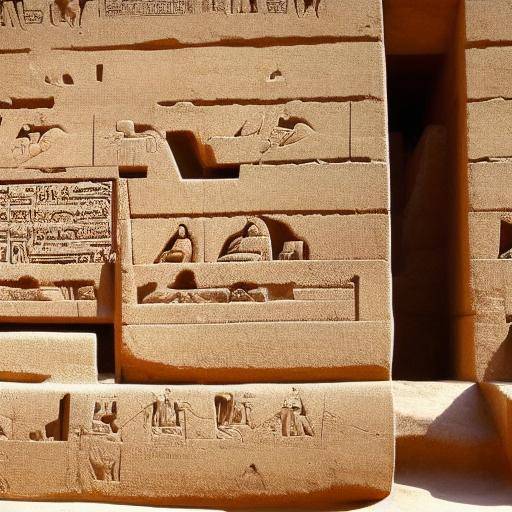
One of the most exciting discoveries has been the location of a series of pubic tombs that reveal unique and elaborate funeral rituals. These tombs, richly decorated with colorful frescos and funeral rivets, offer a surprising view of the beliefs and funeral practices of the Carthaginian society.
Analysis in Deep
The detailed study of recovered artefacts has provided valuable insights on the economy, religion, trade and daily life in the former Carthage. Exquisitely decorated ceramics, elaborate jewels and domestic utensils have revealed the artistic skill and cultural sophistication of the Carthaginian society, challenging the previous perceptions of its historical evolution.
As technological advances have allowed greater precision in archaeological excavations, radiocarbon dating and DNA analysis have provided new perspectives on cultural and ethnic diversity in Cartago, challenging old narratives and inviting them to reconsider the history of the ancient city.
Comprehensive review
The discoveries in Cartago not only enrich our understanding of the past, but also have important implications for cultural tourism and the preservation of heritage. The development of sustainable archaeological sites and educational programs can serve to promote greater appreciation for the rich historical heritage of Cartago, fostering the knowledge and conservation of the region's ancestral legacy.
The intersection between archaeology, heritage preservation and sustainable development offers exciting opportunities to promote cultural tourism and economic growth in the region, while preserving and protecting valuable treasures from the past for future generations.
Comparative analysis
Through the comparison of Cartago with other ancient civilizations, such as Rome or Greece, we can appreciate the uniqueness and lasting influence of the Carthaginian culture. Although Cartago has been eclipsed by Roman power, his contributions to navigation, trade and architecture still echo in the history of the ancient world, and his network of trades is an example of global connectivity long before the modern era.
The approach to archaeological discoveries in Cartago offers valuable insights into the complexity of cultural interactions and the diversity of ancient civilizations. The comparison between the Carthaginian traditions and those of other contemporary societies highlights the wealth and uniqueness of each culture in its historical context.
Practical Tips and Accessible Tips
If you plan to visit Cartago, we recommend that you explore the archaeological sites that have revealed these fascinating discoveries. As you immerse yourself in the ancient history of the city, you can appreciate the magnificent architecture, the stunning landscapes and the depth of the Carthaginian culture. In addition, visiting these sites will contribute to the preservation and preservation of the heritage of humanity.
Industry ideas and Expert Reviews
Archaeology experts have highlighted the importance of these findings in Cartago as an invaluable source of historical and cultural knowledge. The opportunity to preserve and spread the history of the old city through educational programs and sustainable tourism is key to ensuring that future generations can appreciate and learn from the historic treasures of Cartago.
Case Studies and Practical Applications
The discoveries in Cartago not only provide valuable information for scholars and academics, but also inspire creativity in fields such as literature, cinema and art. Artistic representations and modern interpretations of life in the old Carthage capture the imagination of people from around the world, providing a contemporary perspective on the rich history of the city.
Future Trends and Predictions
As technology advances, new archaeological methods are likely to be discovered that further deepen the history of Cartago. The integration of high-tech tools, such as three-dimensional scans and microscope analysis, can reveal even more precise details about the life and customs of ancient Carthaginian civilization.
Conclusions
Recent discoveries in Cartago offer a unique window to the past, transforming our perception of the culture, society and history of this ancient city. By exploring the wealth of archaeological findings, we can appreciate the importance of preserving historical heritage and honoring the lasting contributions of past civilizations.
Frequently asked questions
What are some of the most significant archaeological discoveries in Cartago?
The most significant discoveries include elaborately decorated pubic tombs, complex water supply systems, richly decorated temples and everyday artifacts that offer unique perspectives on life in the former Carthage.
Why are archaeological discoveries in Cartago so important?
Archaeological discoveries in Cartago are important because they offer a deeper understanding of the culture, society and history of this ancient civilization, enriching our knowledge of the past.
How can I visit archaeological sites in Cartago?
The archaeological sites in Cartago are open to the public and are accessible through guided tours. It is recommended to contact local authorities or agencies specializing in cultural tourism for up-to-date information on visits.
What is the influence of the Carthaginian culture in ancient history?
The Carthaginian culture had a significant influence on antiquity, especially in maritime trade, religious architecture and practices, contributing to cultural and economic development in the Western Mediterranean.
What opportunities does cultural tourism offer in Cartago?
Cultural tourism in Cartago provides the opportunity to explore the archaeological sites, immerse yourself in ancient history, despise the rich cultural heritage of the region. It also contributes to sustainable development by fostering the preservation of historical heritage and promoting intercultural understanding.
What is the impact of archaeological discoveries in the local community?
Archaeological discoveries in Cartago have generated renewed interest in local history, providing employment opportunities in the tourist sector, promoting historical awareness among the local population and fostering participation in the preservation of heritage.
Conclusion
Recent discoveries in Cartago have opened a fascinating door to the past, revealing buried treasures that awaken imagination and enrich our understanding of ancient history. As we continue to explore and preserve the legacy of Cartago, we honor the greatness of a lost civilization and assure that its legacy will endure for generations to come. The commitment to the conservation of the historical heritage ensures that the present discoveries are only the beginning of an exciting journey to the past.
Throughout history, Cartago remains a testimony of the perennial fascination for the ancient world and a reminder that, in every archaeological discovery, there is a story that hopes to be told.
By continuing to explore the treasures of Cartago, we embark on a unique journey through time, reviving the greatness of a civilization that, lost for centuries, finds a new life through its invaluable archaeological discoveries.
Join us in this exciting adventure into the past, and discover the magic and mystery of Cartago!
Remember, every archaeological find invites us to contemplate the wonders of a forgotten era and to celebrate the perpetual search for knowledge.