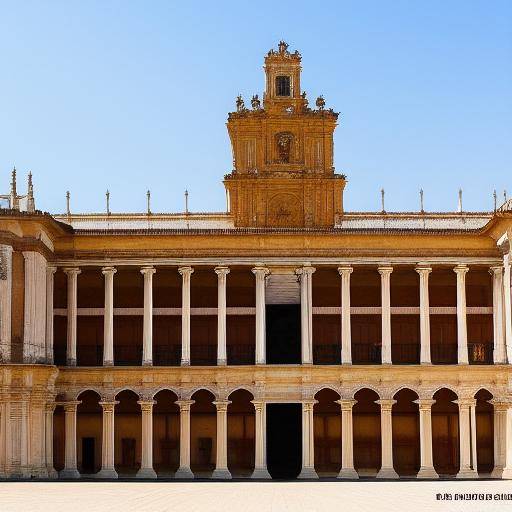
The ancient Carthaginian civilization is a fascinating period of ancient history that deserves to be explored. In this article, we will immerse ourselves in the culture, customs and society of Cartago, a civilization that left a profound mark on the Mediterranean during ancient times. We will discover its history, its relevance in the ancient world, as well as its cultural legacy. From its origins to its social customs and practices, we will enter into the life of the ancient Carthage to better understand how this civilization influenced the past and remains relevant today.
Introduction
The old Cartago, situated in what is now Tunisia, was a maritime and commercial power with a rich history and a unique culture. From its military legacy to its religious practices, the Old Letter is a fascinating field of study that offers us a unique perspective on life in the ancient world.
History and Background
Origins and Development
The history of Cartago dates back to the 9th century BC, when the city was founded by the Phoenicians, becoming a thriving commercial colony that dominated the Western Mediterranean.
Historical significance
The influence of Cartago spread through its conquests and commercial alliances, competing with the Roman Republic and leaving an indelible mark on ancient history.
Key Moments and Figures
Aníbal, one of the most prominent Carthaginian leaders, played a crucial role in the Punic Wars that confronted Rome and Carthage, altering the fate of the Mediterranean.
Analysis in Deep
Social Costumes and Practices
The Carthaginian society was characterized by its hierarchical structure, with a ruling oligarchy that controlled politics, trade and military affairs.
Religion and its Rituals
The Carthaginians practiced a religion influenced by Phoenician beliefs, making human sacrifices in honor of the gods, an aspect that has attracted great interest among historians.
Comprehensive review
Cultural Legacy
The Carthaginian art, architecture and ceramic reflect the richness and diversity of its culture, with fencious and African influences that distinguish it from other Mediterranean civilizations.
Perceptions and Realities
The myth of Cartago as a barbaric and blood society has been questioned by recent studies seeking to understand how Roman propaganda influenced the perception of this civilization.
Comparative analysis
Cartago vs. Other Ancient Civilizations
We will compare and contrast the culture, customs and society of Cartago with other Mediterranean civilizations, highlighting their similarities and differences.
Practical Tips and Accessible Recommendations
Archaeological Discoveries
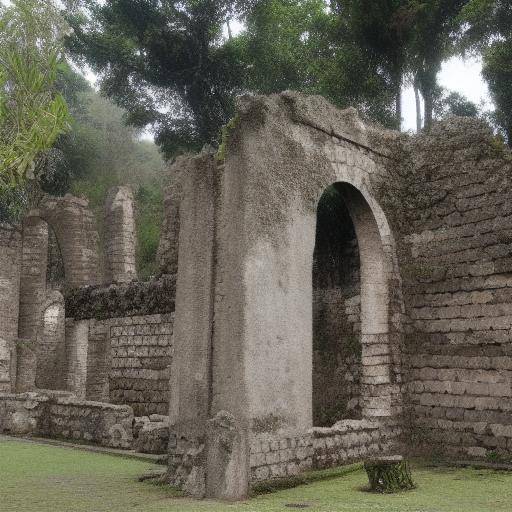
If you want to explore more about life in the old Carthage, we recommend visiting archaeological sites in Tunisia, which offer a fascinating view of this civilization.
Perceptions of Experts and Industry Trends
Interviews with Archaeologists
Archaeology experts have unearthed valuable relics that allow us to rebuild life in the ancient Carthage, providing us with a more complete vision of this civilization.
Case Studies and Practical Applications
Influence in Roman Literature
The figure of Aníbal and the Punic Wars have been sources of inspiration in Roman literature, showing how the history of Cartago lives in Western culture.
Future Trends and Predictions
Contemporary Relevance
The study of the former Cartago remains relevant today, offering lessons on the interaction between cultures and the impact of politics on history.
Conclusion
The ancient Carthage is a fundamental piece in the puzzle of ancient history, whose legacy continues to fascinate scholars and enthusiasts of history alike. As we immerse ourselves in its customs, society and culture, we can better understand the complexities of this civilization and the impact it had on the Mediterranean world. Life in the old Carthage offers a fascinating look at the past, reminding us of the importance of studying and preserving the civilizations that preceded us.
Frequently asked questions
What were the main economic activities of Cartago?
The economy of Cartago focused on maritime trade, agriculture and metallurgy. The control of commercial routes and the development of advanced agricultural techniques gave them a significant advantage in the Mediterranean.
How was the Carthaginian society organized?
The Carthaginian society was divided into a hierarchical structure, with a ruling elite, followed by traders, artisans, peasants and slaves. Social mobility was limited, with an emphasis on maintaining social stability.
What cultural legacy did Cartago leave in the ancient world?
The cultural legacy of Cartago is reflected in its art, architecture, religion and commercial practices. His Phoenician and African influence is intertwined in his art and architecture, and his religious legacy has generated interest and debate among historians.
What was the importance of Cartago in the Punic Wars?
Punic wars were a series of conflicts between Rome and Cartago that had a significant impact on the Mediterranean. These wars influenced the development of Rome as dominant power, marking a turning point in ancient history.
How did religion impact the daily life of the Carthaginians?
Religion was an integral part of life in Cartago, with rituals that included human sacrifices as offerings to the gods. These rituals influenced political and military decision-making, and the daily lives of Carthaginians.
What is the destination of Cartago today?
Today, the archaeological sites of Cartago in Tunisia remain a tourist attraction and a study area for historians and archaeologists. The legacy of Cartago is preserved and celebrated as an integral part of the cultural heritage of the Mediterranean.
In short, life in the old Carthage offers a window to a vibrant and complex civilization that deeply influenced ancient history. Exploring their customs, society and culture allows us to better understand our own past and appreciate the diversity of societies that preceded us.