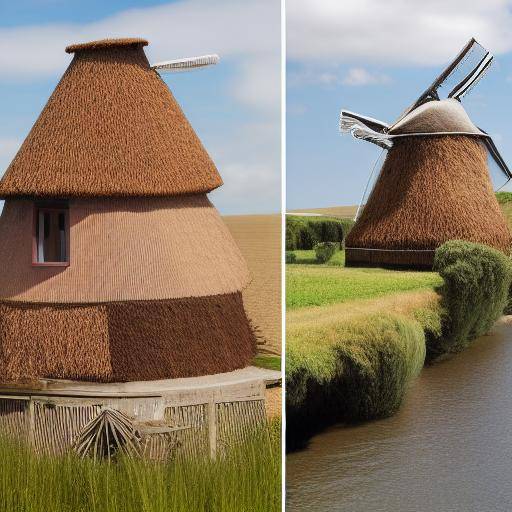
Windmills, besides being a fascinating piece of history, are a symbol of innovation and progress. These structures, famous for their use in grain milling and water pumping, have left a lasting mark on collective consciousness. Through education and museum visits, it is possible to get into the history, technology and cultural importance of windmills. In this article, we will immerse ourselves in the world of windmills from an educational and museum perspective, exploring its relevance, evolution, current applications and the impact on society.
Introduction
The windmills, with their elegance and functionality, have been an emblematic element of many civilizations throughout history. From its origin in the ancient Middle East to its expansion throughout Europe and beyond, these ingenious devices have witnessed countless technological advances. Through museums and educational visits, we can appreciate your legacy in a tangible and meaningful way. In this article, we will explore this theme from its historical origins to its contemporary applications, highlighting the vital role of education and museums in the preservation and dissemination of this cultural heritage.
History and Background
Windmills have their roots in ancient times, with evidence of their first forms emerged in the ancient Middle East, particularly in Persia and China. However, their popularization and significant evolution occurred in Europe during the Middle Ages, where they became a crucial pillar for agricultural activities and water. As technology developed, the efficiency and versatility of windmills improved, which contributed to its wide adoption in different regions.
Over the centuries, windmills have witnessed countless technological advances and social changes. From the industrial revolution to the modern era, its relevance has endured, adapting to new needs and challenges. Museums that house these mechanical monuments represent a valuable resource for the preservation of their history and the diffusion of knowledge about their functioning, their economic impact and their cultural importance.
Analysis in Deep
Benefits
Windmills have shown significant benefits throughout their history. From their contribution to the development of agricultural systems to their influence on industrialization, these devices have played a crucial role in many aspects of human life. Through education in specialized museums, you can access a clearer understanding of these benefits, which allows you to appreciate their importance in a more comprehensive and enriching way.
Challenges
Despite their many benefits, windmills have also faced challenges throughout their evolution. From technical constraints to competition with other energy sources, these challenges have influenced their use and development over time. Understanding these challenges through educational visits to specialized museums provides a more comprehensive view of the complexity and importance of technological innovation.
Current trends
In the modern era, windmills have experienced a significant resurgence, especially in the context of renewable energy. Their role in the generation of clean and sustainable energy has given them renewed relevance. The museums that focus on this contemporary facet of windmills offer a window to understand their role in the fight against climate change and the promotion of a more sustainable future.
Comprehensive review
Applications
Windmills have found applications in a wide range of sectors, from food production to energy generation. Through dedicated museums, visitors have the opportunity to explore these various applications and better understand the versatility and the continued relevance of windmills in today's society.
Comparative
In exploring the relationship between windmills, education and museums, it is crucial to compare their roles and individual contributions. In doing so, the interconnections between these elements are highlighted and a more holistic understanding of their impact on education, the preservation of heritage and cultural enrichment is promoted.
Practical Tips
When planning an educational visit to a windmill museum, it is important to consider certain aspects that can improve the experience. Reserve enough time to carefully explore the different exhibitions, participate in interactive activities and take advantage of the specialized guides are just some of the recommendations that can enrich this educational experience.
Information and Views of Experts
Experts on the topic
In order to understand in depth the importance of windmills in the educational and museum context, it is essential to collect and present the opinions of experts in the field. Through interviews and analysis of their perspectives, it is possible to obtain an expert vision that enriches the educational content and promotes a deeper understanding of these issues.
Industry trends
Emerging trends in windmills, education and museums offer valuable insights into the future of these fields. In analyzing current projections and trends, readers can be provided with a holistic view of what the future holds for them in relation to these issues.
Case Studies and Real Life Applications
Case studies
Museums that host windmills often present detailed case studies that illustrate both their history and their modern applications. In exploring these practical cases, visitors have the opportunity to visualize how these ingenious devices have influenced different aspects of human life over time.
Lessons Learned
Case studies and practical applications of windmills provide valuable lessons that go beyond history and technology. These real experiences allow visitors to understand more significantly how innovation and adaptability can play a key role in the evolution of society and culture.
Future Trends and Predictions
Predictions
The role of windmills, education and museums is constantly evolving. In considering the current trends and perspectives of experts, it is possible to offer grounded predictions on how these topics will continue to shape our world in the coming years, from the technological to the cultural sphere.
Conclusion
Windmills, education and museums intertwine intrinsically, offering a wealth of knowledge and experiences. By exploring windmills from an educational and museum perspective, a universe of possibilities is opened to understand history, technological innovation and contemporary trends. Through a comprehensive and insightful exploration of these topics, readers can acquire a deeper and meaningful appreciation of the lasting importance of windmills in our lives.
Frequently asked questions
1. What is the importance of windmills in education?
Windmills serve as an invaluable tool to teach students about concepts such as renewable energy, technological history and adaptability of societies over time.
2. How can windmill museums enrich the educational experience?
Museums provide a tangible perspective on the history and operation of windmills, which significantly complements classroom learning.
3. What are some of the modern applications of windmills in the field of renewable energy?
Windmills are widely used to generate electricity from renewable sources, which contributes significantly to the reduction of greenhouse gas emissions and the momentum of environmental sustainability.
4. How can windmill museums adapt to current technological trends?
Museums can integrate innovative technologies, such as increased reality or virtual reality, to offer interactive and attractive experiences that attract diverse audiences and promote a deeper understanding of windmills.
5. What is the role of windmills in the preservation of cultural heritage?
Windmills represent a fundamental part of the cultural heritage of many regions, and their preservation in museums ensures that future generations can appreciate and understand their historical and technological importance.
6. What are some of the possible future innovations in the design or function of windmills?
Future development of windmills can include advances in energy efficiency, integration with other forms of renewable energy and adaptation to urban environments to maximize their use.
The intersection of windmills, education and museums offers fertile ground for exploration, learning and appreciation of future history, technology and trends. Through a combination of practical experience, expertise and expert perspectives, this article provides a complete overview of this exciting and timeless topic.