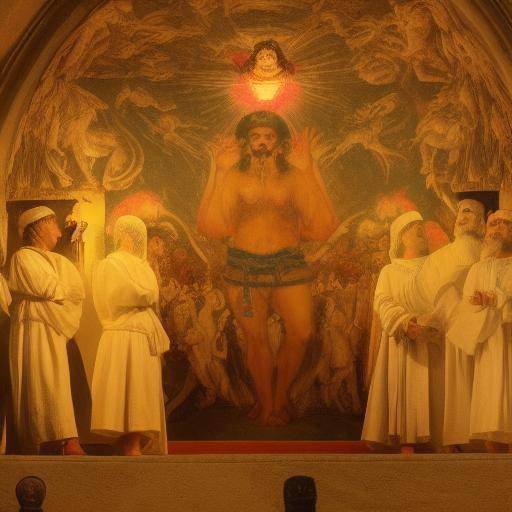
Art Nouveau is an artistic movement that developed at the end of the nineteenth and early twentieth century, known for its emphasis on nature and the curved lines. This style is reflected not only in the works of art, but also in the architecture of the time. In this article, we will explore the fascinating intersection between Art Nouveau, museums and culture, providing an enriching and stimulating view of this exciting historical period.
Introduction
Art Nouveau, also known as Modernism, Jugendstil, or Sezession, was an artistic movement that emerged as a reaction to historicalism that dominated the design and architecture of the time. Their organic forms, inspired by nature, and their focus on the whole design, from furniture to buildings, broke with the established conventions. This ephemeral but influential period left a lasting legacy in art and architecture, and its collections are carefully preserved in museums around the world.
History and Background
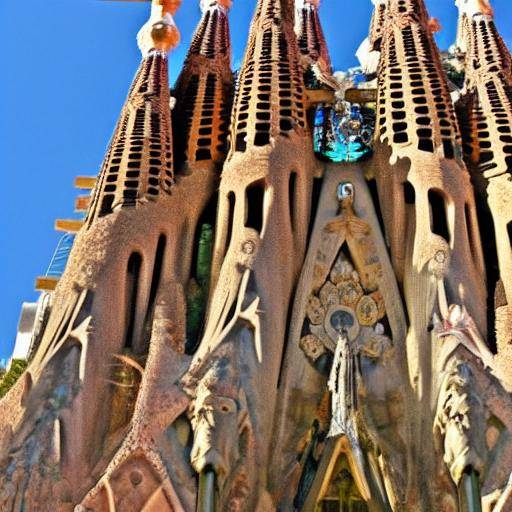
Art Nouveau originated in Europe at the end of the nineteenth century, flourishing until the beginning of the twentieth century. It emerged as an answer to academicism and rigidity of eclecticism, embracing innovation and simplicity. Artists such as Gustav Klimt, Alfons Mucha and Henri de Toulouse-Lautrec, as well as architects such as Victor Horta and Antoni Gaudí, were highlighted by their significant contributions to this revolutionary style.
This movement spread rapidly across the continent and beyond, affecting all aspects of design and culture. Its distinctive features, such as sinuous lines, organic shapes and floral motifs, became synonymous with the time.
Analysis in Deep
Art Nouveau, despite its short duration, had a lasting impact on decorative arts, architecture, interior design and art in general. His focus on the total integration of arts and crafts laid the foundations for later movements, such as Modernism and Art Deco. Despite its initial popularity, Art Nouveau also faced criticism and challenges, especially as public taste evolved.
Comprehensive review
Art Nouveau museums play a crucial role in preserving and promoting this fascinating period. Through their collections, exhibitions and educational programs, they offer a unique window to the beauty and innovation of Art Nouveau. These museums are authentic treasures for art and history lovers, providing a deeper understanding of this movement and its impact on society.
Comparative analysis
Art Nouveau museums not only celebrate the beauty of the movement, but also shed light on its intersection with the architecture and culture of the time. Through their exhibitions, they reveal the influence of style in everyday life, from elegant furniture to extravagant jewelry. By exploring these museums, visitors can appreciate the holistic vision of Art Nouveau and its lasting influence on European and international culture.
Practical Tips and Accessible Recommendations
When visiting Art Nouveau museums, it is essential to take the necessary time to appreciate every detail. Observing sinuous lines, ornamental touches, and innovative materials used can provide a deeper understanding of the fundamental principles of movement. In addition, knowing the history and background of the exhibited works can significantly enrich the experience.
Conclusion " FAQs
In short, Art Nouveau museums offer an enriching experience that transcends the mere aesthetic enjoyment. In exploring both the art and architecture of the period, visitors can immerse themselves in a world of beauty, innovation and creativity that remains relevant today. Through the careful preservation and exhibition of these works, Art Nouveau museums offer us the opportunity to connect with the cultural wealth of the past and appreciate its impact on the contemporary world.
Frequently asked questions
1. What makes Art Nouveau unique compared to other artistic movements?
Art Nouveau is distinguished by its focus on organic forms inspired by nature, as well as its full integration of arts and crafts. This combination of elements gives it an aesthetic and philosophical singularity.
2. Why is it important to visit museums dedicated to Art Nouveau?
Art Nouveau museums not only preserve and exhibit the art and architecture of this period, but also offer a deeper understanding of its historical and cultural context.
3. What are some outstanding examples of Art Nouveau architecture worth visiting?
Some emblematic examples of Art Nouveau architecture include the Casa Batlló of Antoni Gaudí in Barcelona, the Casa de Victor Horta in Brussels and the Stoclet Palace in Brussels.
4. How has Art Nouveau influenced contemporary culture?
The stylistic and philosophical principles of Art Nouveau remain a significant influence on contemporary design, architecture and decorative arts.
5. What kind of works can be found in Art Nouveau museums?
These museums host a wide range of works, including paintings, sculptures, furniture, jewelry, textiles and decorative objects, offering a global view of the movement.
6. How can I learn more about Art Nouveau and its impact?
In addition to visiting museums, there are numerous books, documentaries and online resources that explore Art Nouveau in depth and its legacy in art and culture.
In conclusion, Art Nouveau museums are true treasures that allow us to immerse ourselves in the beauty and innovation of this exciting artistic movement. By exploring its legacy, we can appreciate the lasting influence of Art Nouveau on art, architecture and culture, and find inspiration in its revolutionary approach.