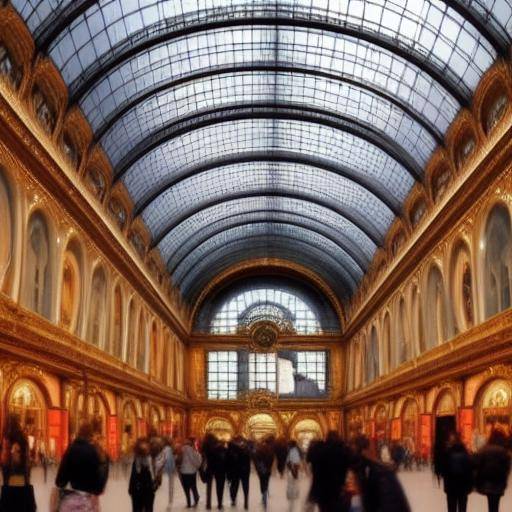
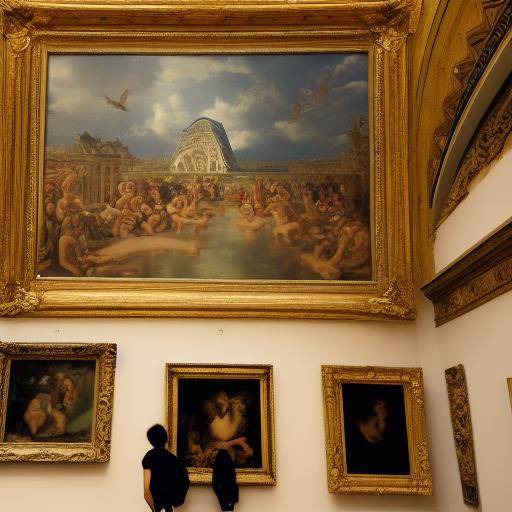
The capture of images is an art in itself, and photographing masterpieces in museums is a fascinating challenge. Photography of art in museums is a practice that requires technical skill, artistic sensitivity and understanding of the elements that make a work come to life. In this article, we will explore how photographers can capture the essence of art works in museums, addressing historical, practical aspects, tips, future predictions and more.
Introduction
Art photography in museums is a unique combination of technical and creative skills that allows viewers to appreciate and study masterpieces in detail. From the age of daguerreotypes to the modern digital era, the Art Photography has evolved with art itself, providing new insights and innovative approaches to capture the beauty and significance of works of art.
History and Background
The history of Art Photography in museums dates back to the first days of Photography. From the first daguerreotypes to today's high-resolution digital cameras, every technological advance has influenced the way art was photographed. Artists, photographers and collectors have used Photography to document, study and promote art over the centuries, creating an invaluable visual record of artistic evolution.
Today, art photography in museums is a crucial component in the preservation and dissemination of cultural heritage. With the growing access to high-resolution technologies, the Art Photography has reached new levels of detail and precision, providing viewers with an enveloping visual experience that complements their visit to museums.
Deep analysis
Despite technological advances, the Photography of Art in Museums presents unique challenges. Lighting, composition and angle are critical to capture the essence of an art work, and photographers must balance fidelity with creativity to convey the atmosphere and meaning of the work.
Art photography has also opened debates on reproduction versus original experience. As digital images proliferate online, the question arises whether Photography can replace the physical and emotional experience of contemplating a work of art in person. This dichotomy has become a topic of discussion in the digital era, raising questions about authenticity, accessibility and preservation of art.
Comprehensive review
Art and Photography share a constant bond, each influencing and enriching the other. Photography of art in museums not only serves to document the works, but also to reinterpret them through the photographer's unique lens. The ability to capture hidden details, textures and shades of color in a work of art enhances the appreciation and understanding of the viewer.
Photography also plays a crucial role in promoting art and disseminating cultural activities. High-quality images are essential for publications, online exhibitions and art catalogues, giving a global audience the opportunity to explore masterpieces that otherwise would be out of reach.
Comparative analysis
By comparing Photography, art and museums, it is evident that everyone depends on the other to preserve, interpret and transmit beauty and meaning. Photography in museums allows people around the world to explore virtually unique collections, bringing art closer to those who otherwise would not have the opportunity to experience it firsthand. This union of Photography, Art and Museums reveals the integrity and continued relevance of these disciplines in the modern world.
Practical Tips and Accessible Tips
For photographers interested in art photography in museums, it is crucial to master various techniques and strategies. Here are some practical tips for photographing masterpieces in museums:
- Know the rules of the museum: Before photographing in a museum, be sure to know and respect the rules and regulations regarding Photography. Some museums may have restrictions on the use of flash, tripods or the number of photographs allowed.
- Setting the camera settings: Use a camera configuration that is suitable for variable lighting conditions in museums. Adjust ISO sensitivity, opening and shutting speed to capture sharp images without compromising quality.
- Pay attention to lighting: Lighting in museums can vary from soft natural light to artificial lighting. Make the most of the lighting available to highlight the details and colors of the work.
- Capture unique angles: Experience with different angles and compositions to capture the uniqueness of each work of art. Even the most familiar works can acquire a new dimension through unusual perspectives.
- Edit carefully: Then edit the images carefully to preserve the authenticity and aesthetics of the artwork. Adjust exposure, contrast and saturation with moderation to improve image quality without distorting the original representation.
Industry Perspectives and Expert Reviews
The perspectives of industry and the views of art photography experts in museums provide a valuable insight into current and future trends. Experts emphasize the importance of balancing technological innovation with respect for artistic integrity. The evolution of digital photography and the growth of virtual reality are changing the way art works are documented, interpreted and shared in the digital era.
The comments of the experts also highlight the importance of preserving the authentic experience of interacting with art in person, while taking advantage of the opportunities offered by Photography to expand the scope and accessibility of art.
Case Studies and Real Life Applications
Case studies that demonstrate practical applications of art photography in museums highlight the influence of images in the appreciation and understanding of art. From the conservation of cultural heritage to the promotion of exhibitions, Photography plays a key role in preserving and disseminating art for present and future generations.
Future Trends and Predictions
Future trends within the Photography of Art in Museums aim at greater integration of advanced technologies, such as increased reality and artificial intelligence, to improve the visual and contextual experience of art. Photography will continue to be a vital means of documenting and sharing art in a digitally connected world, promoting global appreciation and understanding of art.
Conclusions
Art photography in museums is an art in itself, merging the technique and creativity to capture the essence of masterpieces. As technology continues to evolve, Photography will continue to play a crucial role in the promotion and preservation of art, enriching our understanding and appreciation of human creations over time.
FAQs
What is the importance of Photography in art museums?
Photography in art museums is crucial to documenting, preserving and disseminating cultural heritage. Photographic images allow a global audience to access the works of art, even when the physical visit is not possible.
What are the ethical considerations when photographing art in museums?
When photographing art in museums, it is essential to respect the rules and guidelines of the museum, as well as to preserve artistic integrity. In addition, it is important to use Photography as a means to enhance the appreciation of art, rather than to distort or exploit works of art.
How can photography in art museums influence education and cultural diffusion?
The photographic images of the works of art in museums allow educational and cultural institutions to use them to enrich curricula, itinerant exhibitions and publications, thus fostering understanding and love for art in diverse audiences.
How can art photography in museums benefit contemporary artists?
Art photography in museums can be a powerful tool to promote the work of contemporary artists, allowing their creations to reach a global audience and to be documented for historical and educational purposes.
To what extent can art photography in museums improve accessibility and cultural inclusion?
The capture of high-quality images of works of art in museums can provide access to people with disabilities or mobility limitations, allowing them to explore and appreciate the art of ways that would otherwise be inaccessible to them.
What technological challenges do art photography face in museums in the digital era?
Art photography in museums faces technological challenges such as the long-term preservation of digital images, the protection of intellectual property and the integrity of virtual representations.
What are the emerging trends in art photography in museums?
Emerging trends include the use of advanced visualization technologies, such as increased reality and virtual reality, as well as the application of innovative photography techniques to capture the essence of artworks.
In conclusion, the Photography of Art in Museums represents a unique convergence between modern technology and artistic creativity, offering exceptional access to the world's masterpieces for a diverse global audience. As photography continues to evolve, it will continue to play an essential role in the preservation, promotion and appreciation of art in the contemporary world.