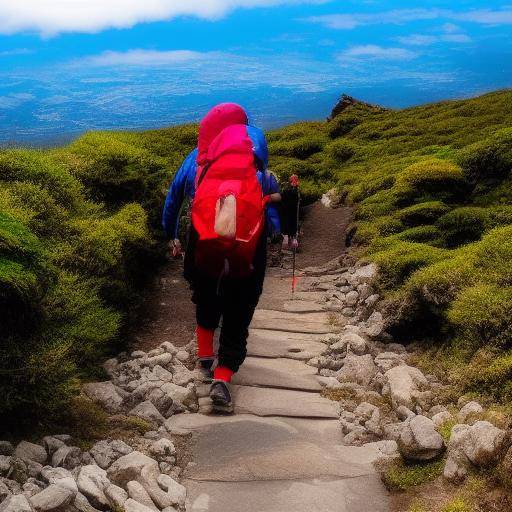
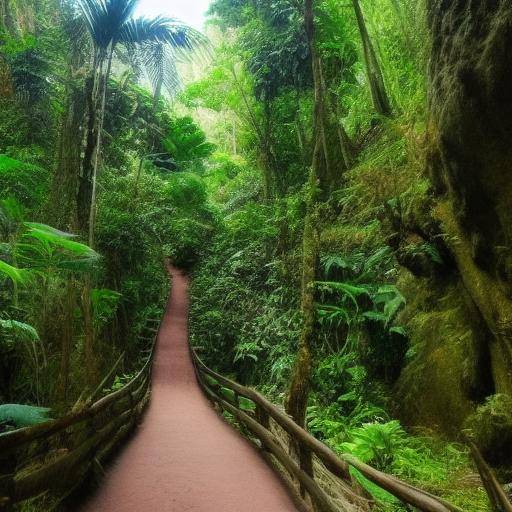
Hiking in Banff National Park is an unforgettable experience that allows nature lovers to explore the scenic beauty of Canada's Rocky Mountains. With a variety of routes ranging from hiking through lush forests to challenging mountain trails with spectacular views, Banff offers something for all levels of hikers. In this article, we will explore the best hiking trails in Banff National Park, discover the history and importance of this amazing place, analyze the benefits and challenges of hiking in Banff, provide useful advice and much more.
Introduction
The natural beauty of Banff National Park is something that attracts visitors from around the world. Located in the Rocky Mountains of Alberta, Canada, this park is home to stunning alpine landscapes, glaciers, turquoise lakes and a wide variety of wildlife. Hiking is one of the best ways to immerse yourself in this natural environment and appreciate your greatness.
In this article, you will discover the best hiking trails in Banff National Park, from short walks to challenging climbs to mountain peaks. We will also explore the history and meaning of hiking in Banff, the benefits and challenges of this activity, practical tips to enjoy the most of your tours, and much more.
History and Background
Banff National Park, Canada's first national park, was established in 1885 to protect and preserve the beautiful landscape of the Rocky Mountains. Hiking has been a popular activity in the park since its inception, attracting explorers, hikers and nature lovers everywhere. Over the years, the trail system has expanded and improved, giving visitors the opportunity to explore and enjoy the majesty of nature in its maximum expression.
Hiking in Banff National Park not only offers an opportunity to enjoy stunning landscapes, but also plays a crucial role in the conservation of the natural environment. Environmental awareness and the preservation of wildlife are fundamental aspects that have shaped the evolution of hiking in Banff over the years.
Detailed Analysis
Hiking in Banff National Park offers a number of benefits, from physical exercise to connection with nature and the opportunity to explore diverse terrain. However, it also presents challenges, such as adequate preparation for various climate conditions and the importance of following conservation guidelines. In addition, the growing popularity of hiking raises questions about environmental impact and long-term sustainability.
It is essential to understand the importance of sustainable and low-impact practices by exploring hiking trails in Banff National Park. This includes respect for wildlife, the care of trails and the minimization of the environmental footprint. In doing so, we can ensure that future generations can enjoy this unique natural environment.
Comprehensive review
By exploring hiking trails in Banff National Park, it is important to take into account best practices to maximize the experience. From the choice of the right route according to the level of skill and physical condition, to the preparation of the equipment and the attention to climatic conditions, each detail contributes to a safe and rewarding experience.
In addition, the diversity of landscapes and ecosystems in Banff National Park offers the opportunity to observe a variety of wildlife, from alces and bears to eagles and marmotas. The importance of respecting wildlife and following responsible observation guidelines is critical to protecting both animals and visitors.
##Comparative analysis
By comparing hiking in Banff National Park with other locations, you can appreciate its uniqueness and its distinctive appeal. The combination of alpine landscapes, glaciers and a diverse flora and fauna makes it an exceptional destination for hiking and adventure lovers. The opportunity to explore such a majestic and varied natural environment is incomparable, making it a truly unique hiking destination.
Practical Tips and Useful Tips
To maximize the hiking experience in Banff National Park, it is essential to have the right preparation and understand the specific needs of each route. From the necessary equipment to safety tips, route planning and environmental considerations, each aspect contributes to a satisfactory and safe experience in nature.
Some practical tips include carrying enough water, suitable clothing for various weather conditions, energy food, detailed maps and following the indications of the park authorities. In addition, it is important to respect conservation patterns, minimize environmental impact and practice responsible wildlife observation.
Perspectives of Future Experts and Trends
The perspectives of conservation, adventure and tourism experts at Banff National Park offer a valuable insight into the sustainable development of hiking and the management of protected natural areas. Awareness of the importance of preserving these unique and fragile environments is essential to ensuring their continuity and the enjoyment of future generations.
As for future trends, the balance between the promotion of sustainable tourism and environmental protection is crucial. Investments in infrastructure for access to hiking trails, environmental education for visitors and conservation measures are key aspects to ensure the preservation of this natural treasure.
Conclusions and FAQs (FAQs)
Conclusion
Banff National Park is an incomparable destination for hiking and adventure lovers, offering a variety of routes that allow you to explore the overwhelming beauty of the Rocky Mountains. With its rich history and its importance for conservation, hiking in Banff represents a unique opportunity to connect with nature and appreciate its grandeur.
Frequently asked questions (FAQs)
- **What are the best hiking trails in Banff National Park?**The most popular routes include the Plain of Six Glaciers trail, Lake Agnes Tea House, and the Devil Rock, each offering unique landscapes and distinctive challenges.
- **What is the best time for hiking in Banff?**Summer and autumn often offer ideal conditions for hiking, with more stable weather and full access to routes. However, every season has its own unique appeal.
- **Do you need special hiking permits in Banff?**In general, no special permissions are required to access hiking routes in Banff National Park. However, it is important to review the regulations of the park and respect the indications.
- **What are the important security considerations for hiking in Banff?**Measures such as carrying enough water, dressing properly, being attentive to wildlife, and following the conservation guidelines are essential for the safety of hiking in Banff.
- **What is the environmental impact of hiking in Banff National Park?**Hiking, like other outdoor activities, can have an impact on the environment. It is essential to follow conservation guidelines, minimize impact and practice a responsible observation of nature.
- **How can I contribute to the conservation of Banff National Park while hiking?**To contribute to the conservation of the park includes respecting the established regulations, taking care of the trails and wildlife, collecting garbage, and promoting sustainable practices among other hikers.
In short, hiking in Banff National Park is an enriching experience that allows you to appreciate the magnificent nature in a unique way. Through respect, environmental awareness and proper preparation, hiking enthusiasts can enjoy and preserve this natural environment for future generations.
With this, we invite you to explore the wonderful hiking trails in Banff National Park and immerse yourself in the adventure this spectacular place has to offer. Enjoy natural beauty in its maximum expression!