Barcelona, known for its unique modernist architecture, houses an impressive collection of iconic buildings that reflect the rich history and innovative creativity of the 19th century modernist movement and the early 20th century. In this article, we will explore the most emblematic modernist buildings in Barcelona, their distinctive features and the lasting influence they have had on the architecture and identity of the city. Get ready to immerse yourself in the majesty of these architectural treasures!
Introduction
Modernism, an artistic and cultural movement that flourished in Europe at the end of the 19th century, left an indelible mark in Barcelona, making it a must for those who love architecture. With its focus on nature, lush ornamentation and curviline lines, modernism manifested itself uniquely in the capital of Catalonia, giving rise to an impressive architectural legacy that continues to captivate visitors and locals alike.
In this article, you will enter the enchanting universe of the most representative buildings of modernism in Barcelona. From the sinuous facades of Antoni Gaudí to the less well-known masterpieces but equally dazzling of other modernist architects, you will discover the magic behind these structures that have resisted the test of time. From the Sagrada Familia to the Casa Batlló, each modernist building tells a unique story that transports us to an era of unrestricted beauty, innovation and artistic expression. Get ready to embark on a fascinating journey through the most emblematic buildings of modernism in Barcelona!
History and Background
Modernism emerges in Barcelona at the end of the 19th century as a reaction to the Industrial Revolution and the predominance of historicism. Also known as Catalan modernism, this movement is characterized by the fusion of local traditions and modernity, as well as by the creation of a unique aesthetic that encompasses multiple artistic disciplines, including architecture.
Catalan Modernism is a movement that developed mainly between 1888 and 1911 in Catalonia. Although world-renowned modernism is the Vienna modernism of Otto Wagner, Josef Hoffmann and Gustav Klimt, however, Catalan modernism also follows similar features with the flight of basic lines and the predominance of the form of nature as inspiration.
During this period, some renowned Catalan architects, such as Antoni Gaudí, Josep Puig i Cadafalch and Lluís Domènech i Montaner, among others, transformed the urban landscape of Barcelona with their bold creations, thus marking a golden era in the history of the city's architecture.
Modernist architecture is characterized by its approach to nature, wealth in details, the use of innovative materials, the integration of sculptural elements and the exploration of new organic forms. These characteristics are translated into buildings that challenge traditional architectural conventions, endowed with a singular beauty and unparalleled expressivity.
In addition, Barcelona became the capital of modernism par excellence, as it was the perfect setting for the development of this artistic-cultural movement; thanks to the economic, labor and urban boom that it experienced during the late nineteenth and early twentieth century. As a result, the city has a vast modernist architectural heritage that reflects the creativity, innovation and cultural wealth of the time.
Analysis in Deep
The modernist movement not only represents an era and an architectural style, but also symbolizes the spirit and identity of Barcelona. These buildings are not only aesthetic wonders, but also reflect the evolution of society, economy and culture in a context of accelerated change. His revolutionary designs not only challenged the architectural norms of the time, but also established new tendencies that transcended the borders of architecture and were integrated into the everyday life of the city.
The Casa Batlló, one of the most famous creations of Antoni Gaudí, is an outstanding example of organic nature and innovation that define modernism. With its undulating facade, its creative use of ceramics and glass, and its magical atmosphere, Casa Batlló exemplifies Gaudí's unique approach to architecture, merging natural inspiration with artistic functionality.
Another modernist treasure that cannot be overlooked is the Palau de la Música Catalana, designed by Lluís Domènech i Montaner. This music palace is an impressive testimony of the fusion between architecture, art and music. Its exuberant decoration, its dazzling stains and exceptional acoustics make it a lasting symbol of modernist creativity and an incomparable setting for performing arts.
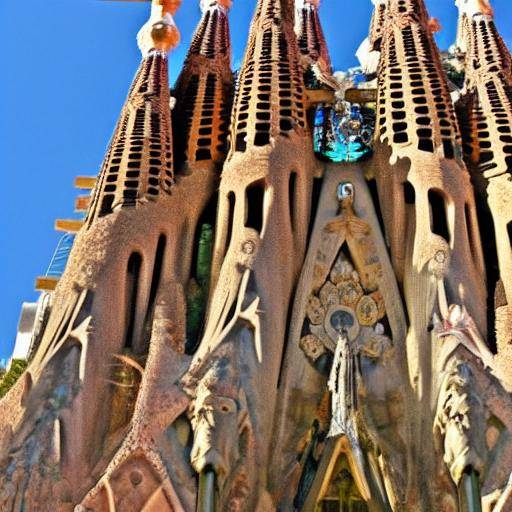
The Sagrada Familia, Gaudí's unfinished masterpiece, is another outstanding emblem of modernism in Barcelona. Its avant-garde architecture, its monumental structure and its technical complexity make it an architectural landmark and an icon of the city. The incomparable design of the church, which combines Gothic elements with organic forms and religious symbols, transcends architectural conventions and arouses admiration for visitors from around the world.
These are just a few examples of the many modernist buildings that populate Barcelona's urban landscape, each with its own fascinating history and unique contribution to the city's architectural legacy. Discovering these treasures is immersed in a world of innovation, beauty and artistic expression, which continues to inspire generations of architects, artists and culture lovers.
Comprehensive review
Modernism in Barcelona goes beyond its aesthetic impact; it has also played a crucial role in the configuration of the city's identity and in the projection of its image worldwide. These buildings, besides being popular tourist destinations, have contributed an incalculable value to the cultural and architectural heritage of Barcelona, consolidating its position as one of the capitals of design and creativity.
Moreover, Catalan modernism is not only reflected in the buildings, but also integrated into the everyday life of the city. The influence of modernism extends to other areas, such as furniture design, the creation of public spaces and urban planning, contributing to the creation of a distinctive and welcoming urban environment.
At the economic level, modernism has been an indisputable engine for cultural tourism in Barcelona, attracting millions of visitors eager to explore its architectural wonders. Moreover, the modernist legacy has generated opportunities for economic and cultural development, fostering the preservation and restoration of these architectural treasures for future generations.
The impact of modernism in Barcelona is not limited to the past; it continues to inspire new approaches to architecture, design and creativity. The influence of Catalan modernism extends globally, serving as a source of inspiration for contemporary architects and designers who seek to integrate nature, crafts and innovation into their works.
Comparative analysis
Modernism in Barcelona is distinguished by its particular focus on symbiosis between nature and architecture, as well as by the integration of artistic elements in urban life. Although modernist buildings are unique in their style and concept, they share a common spirit that reflects the creativity and innovation of their architects and the vibrant identity of the city.
By comparing modernism with other architectural movements, the uniqueness of the modernist approach in the integration of art, crafts and functionality in an urban context is highlighted. While Catalan modernism sought to break with the rigidity of traditional forms and celebrate beauty in architecture, other architectural styles focused on functionality or monumentality.
Compared to other emblematic cities, Barcelona stands out as an epicenter of modernism, with an exceptional concentration of iconic buildings that testify to the wealth and diversity of the movement. This architectural wealth makes Barcelona an incomparable destination for lovers of modernism, offering an incomparable experience of immersion in the aesthetics, history and innovative engineering of the nineteenth century.
Practical Tips and Accessible Advice
If you plan to explore the wonderful modernist architecture of Barcelona, here are some practical tips to make the most of your experience:
- Previous research: Learn about the most outstanding modernist buildings and their architects to fully appreciate their historical and aesthetic value.
- Guided tours: Consider joining specialized guided tours that allow you to discover the details and history behind each building in a more enriching way.
- Flexible planning: Since many of these buildings are popular tourist destinations, plan your visit on less crowded hours to enjoy a more peaceful and contemplative experience.
- Near exploration: Do not limit yourself to observing the facades; many of these buildings allow interior visits that reveal their splendor in detail.
- Cultural immersion: Combine your exploration of modernist architecture with other cultural activities in the city, such as museum visits, music shows at the Palau de la Música Catalana or gastronomic experiences in the heart of Barcelona.
By following these practical tips, you can enjoy an enriching experience that will immerse you in the beauty and history of modernism in Barcelona.
Conclusions and FAQs
Conclusions
Modernism in Barcelona is not only an architectural expression, but a lasting testament to human creativity, innovation and the spirit of an era. Modernist buildings are much more than buildings; they are manifestations of a unique vision that has left an indelible mark on the urban landscape and the identity of the city.
The aesthetic wealth, organic forms, and the integration of art and nature make modernist buildings in Barcelona an invaluable heritage that deserves to be appreciated and preserved for future generations.
Frequently asked questions
What is the most famous modernist building in Barcelona?
The Sagrada Familia, designed by Antoni Gaudí, is widely regarded as the most famous modernist building in Barcelona. Its magnificent architecture and unique history make it an indispensable destination for visitors.
What is the best time of the year to visit the Modernist buildings in Barcelona?
Spring and autumn are usually the best times to visit Barcelona and enjoy its modernist buildings, as the weather is softer and there is less influx of tourists.
How long do you need to explore the most emblematic modernist buildings in Barcelona?
Depending on the degree of detail you want to explore in each building, it is recommended to plan at least two days to fully enjoy the modernist architecture of Barcelona.
Can you visit the interior of all modernist buildings?
Not all modernist buildings allow interior visits, but most offer the possibility of exploring various areas and experiencing the majesty of their designs and details.
What is the importance of modernism in the identity of Barcelona?
Modernism has not only enriched the architectural panorama of Barcelona, but has also contributed significantly to the identity of the city, making it an iconic destination for lovers of art, architecture and culture. Modernist buildings are a tangible manifestation of Barcelona's uniqueness and creativity.
How has modernist heritage been preserved in Barcelona?
The conservation of the modernist heritage in Barcelona is a key theme, and has been carried out through concerted efforts of conservation, restoration and awareness of the importance of these buildings. Local and national agencies have implemented measures to preserve and protect these architectural treasures for future generations.
What is the influence of modernism in contemporary architecture?
The influence of modernism in contemporary architecture is manifested in the appreciation and adoption of elements such as the integration of nature, the emphasis on aesthetics and experimentation with innovative forms, which continue to inspire architects and designers of the 21st century.
Conclusion
In Barcelona, modernist buildings are not only architectural monuments, but live testimonies of creativity, innovation and passion that defined a golden era in the history of the city. From the visionary grandeur of the Sagrada Familia to the delicacy of Casa Batlló, each modernist building tells a captivating story that invites visitors to immerse themselves in a world of beauty, artistic expression and historical legacy.
Through the preservation and appreciation of these architectural treasures, Barcelona continues to project a vibrant and distinctive image that transcends time and space. Modernist architecture in Barcelona remains an inexhaustible source of inspiration, astonishment and wonder, attracting travelers and art lovers from around the world.
By exploring the most emblematic buildings of modernism in Barcelona, we embark on an unforgettable journey that challenges our perception, stimulates our senses and connects us to the very essence of the modernist movement. These buildings are more than stone and concrete structures; they are living symbols of human creativity, artistic expression and the eternal pursuit of beauty.
Therefore, in admiring these architectural monuments, we not only honor their legacy, but also immerse ourselves in a universe of unlimited creativity that continues to inspire and excite present and future generations. Barcelona, with its modernist treasure, remains a beacon of beauty, history and artistic vision that deserves to be celebrated and preserved forever.
Discover the modernist buildings of Barcelona and immerse yourself in the greatness of modernism as never before!
External link:
External link:
External link: