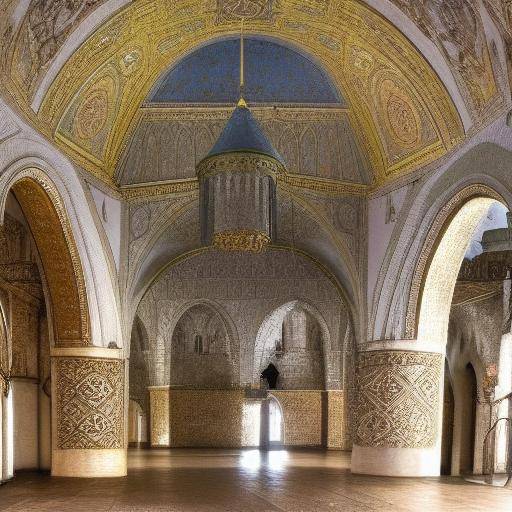
Modernism is an artistic movement that flourished in the city of Barcelona at the end of the nineteenth and early twentieth century. This unique style, characterized by its exuberance, originality and ornamental wealth, has left an indelible mark on the architecture of the city. In this article, we will take you on a fascinating journey through the most emblematic modernist buildings in Barcelona, exploring its historical context, its impact on the city and the relevance of this artistic movement today.
Modernism in Barcelona: More than an artistic current
Modernism emerged as an answer to the rise of the Industrial Revolution and the desire to break with traditional styles of architecture and design. In Barcelona, this movement acquired a unique identity, influenced by key figures such as Antoni Gaudí, Lluís Domènech i Montaner and Josep Puig i Cadafalch. These visionary architects left a legacy of modernist buildings that today attract millions of visitors from around the world.
History and context of Modernism
Modernism in Barcelona had its roots in the reinvention of the city in the late nineteenth century. The urban and social challenges led to the planning of an architectural expansion that sought to project a modern and progressive image of Barcelona. These changes provided the perfect setting for the flourishing creativity of the modernist architects, who sought to integrate nature, functionality and aesthetics into their designs.
The historic universal exhibition of 1888 was a crucial moment for the development of Modernism in Barcelona. The city experienced an explosion of new buildings, and modernist architects took the opportunity to exhibit their creations to the world. This event marked the beginning of an era of unprecedented architectural innovation that radically transformed the appearance of the city and consecrated it as an epicenter of modernist art and culture.
The Durable Influence of Modernism in Barcelona
The modernist buildings of Barcelona, such as the Sagrada Familia, Casa Batlló and Hospital de Sant Pau, are living testimonies of the revolutionary vision of the architects of the time. These masterpieces are not only symbols of the city's identity, but also iconic tourist destinations that attract fans of architecture, historians and art lovers from around the world.
The ornamental wealth of modernist buildings, their focus on functionality and their integration with nature, continue to inspire contemporary architects and designers. The impact of Modernism in Barcelona transcends the architectural sphere, influencing the cultural identity and the international projection of the city.
Conclusion and FAQs
The legacy of Modernism in Barcelona persists as a living testimony of human creativity and the ability to transform the urban environment with innovation and beauty. As we travel through the streets of the city, we find an architectural heritage that invites us to reflect on the role of art and design in the configuration of our lives and our communities.
Frequently asked questions about Modernism in Barcelona
What is the difference between Catalan Modernism and International Modernism?
Catalan Modernism, unlike international Modernism, is distinguished by its emphasis on integration with the nature and influence of regional culture in its designs. While international Modernism tends to seek a more minimalist and universal aesthetic, Catalan Modernism embraces cultural expression and detailed ornamentation.
What are the most important modernist buildings in Barcelona?
Some of the most outstanding modernist buildings in Barcelona are the Sagrada Familia, Casa Batlló, Hospital de Sant Pau, Casa Milà (La Pedrera) and Palau de la Música Catalana. These architectural monuments are not only outstanding examples of Modernism in Barcelona, but also reflect the innovation and creativity of its creators.
What is the importance of Antoni Gaudí in the modernist movement of Barcelona?
Antoni Gaudí is recognized as the most emblematic modernist architect in Barcelona. Its innovative approach to the integration of natural elements and its unique style have left an indelible mark on the architecture of the city, with masterpieces such as the Sagrada Familia and the Güell Park that continue to amaze visitors from around the world.
How has Modernism contributed to the cultural identity of Barcelona?
Modernism has not only influenced the architecture of Barcelona, but has also contributed significantly to its cultural identity. Modernist buildings are not only architectural monuments, but also symbols of artistic expression and the unique identity of the city.
What is the best way to explore the modernist buildings in Barcelona?
One of the best ways to explore the modernist buildings in Barcelona is through specialized tourist routes that offer guided tours to the most emblematic monuments. It is also advisable to investigate and plan ahead to make the most of the experience of contemplating these architectural jewels.
How has Modernism influenced the contemporary architecture of Barcelona?
The legacy of Modernism has left a lasting mark on the contemporary architecture of Barcelona. Many contemporary architects are inspired by the principles and aesthetics of Modernism to create innovative designs that harmonize with the urban environment of the city.
What is the economic impact of tourism related to Modernism in Barcelona?
Modernism-related tourism plays a significant role in Barcelona's economy, attracting visitors from around the world who seek to explore the rich architectural heritage of the city. This tourist flow contributes to the generation of employment and the economic vitality of the region.
Throughout this article, we have explored the fascinating heritage of Barcelona's modernist buildings, plunging us into its history, cultural impact and lasting legacy. These architectural monuments not only portray the genius of the artists who created them, but also embody the innovative and creative spirit of the city of Barcelona.