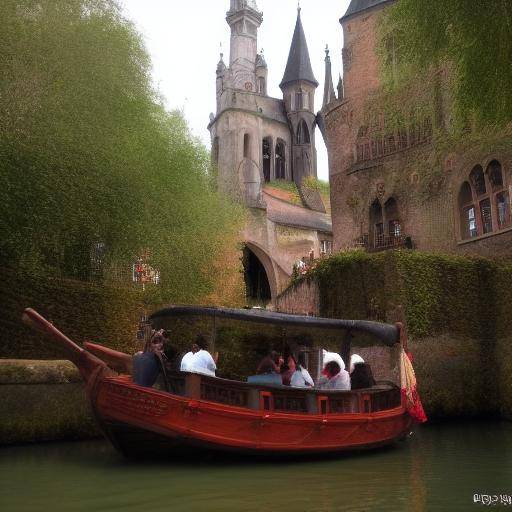
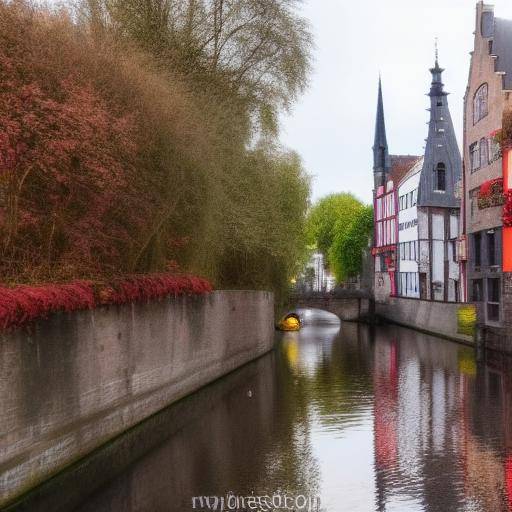
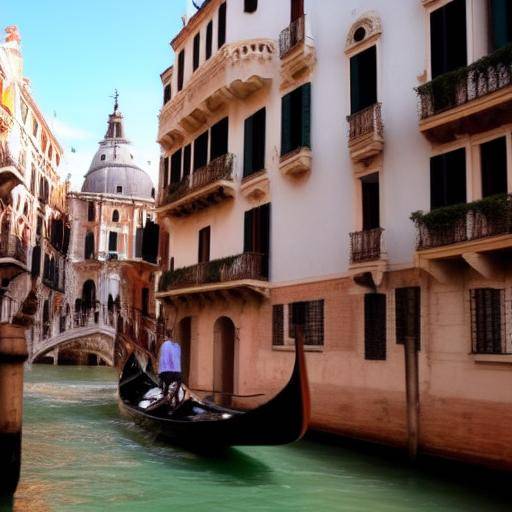
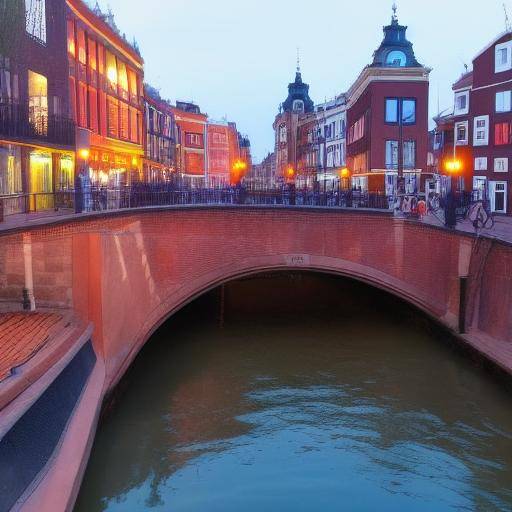
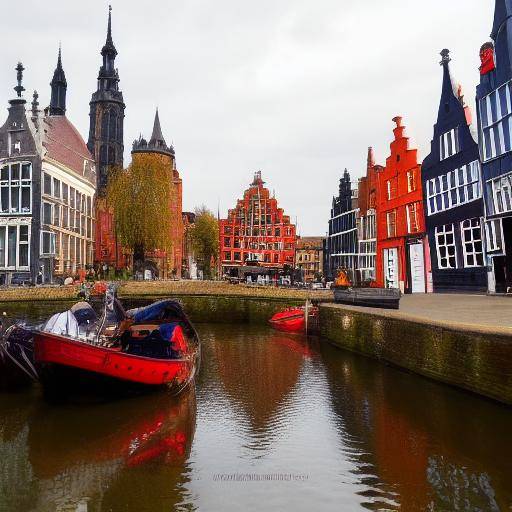
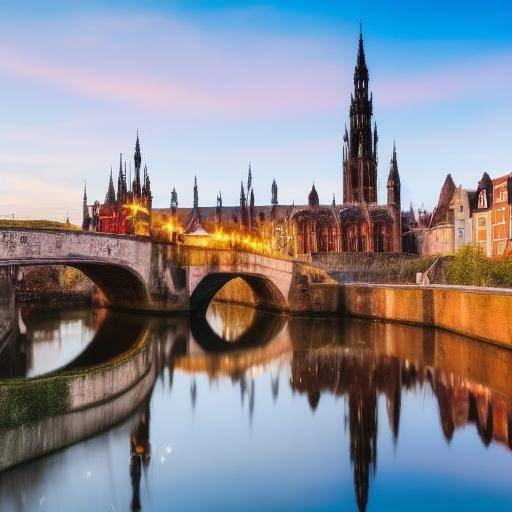
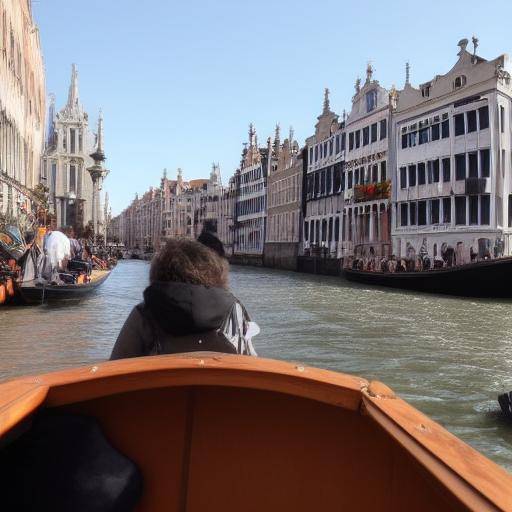
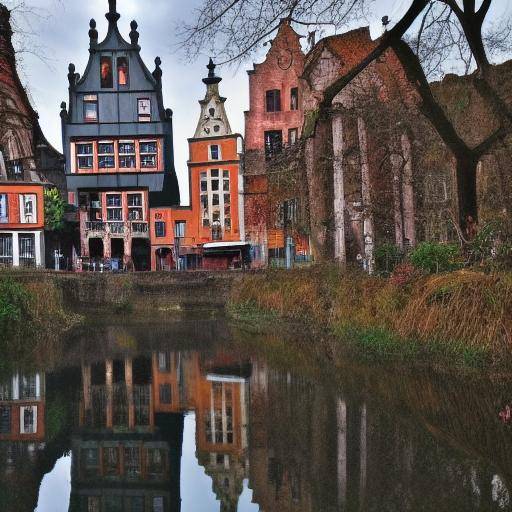
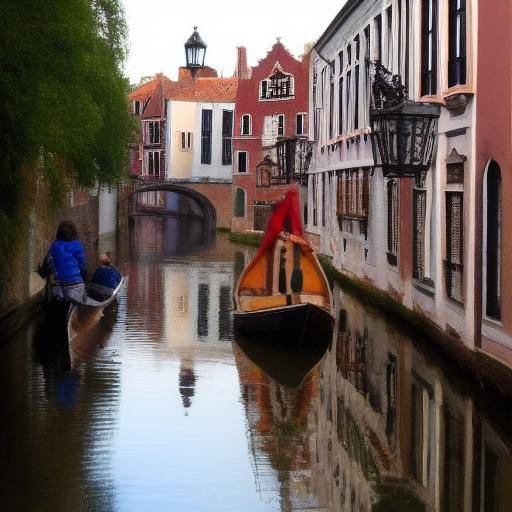
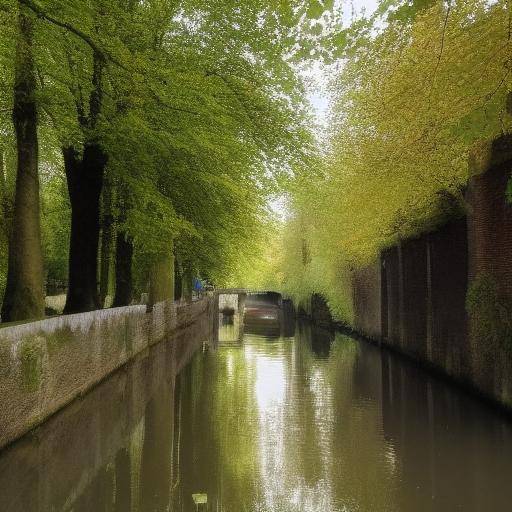
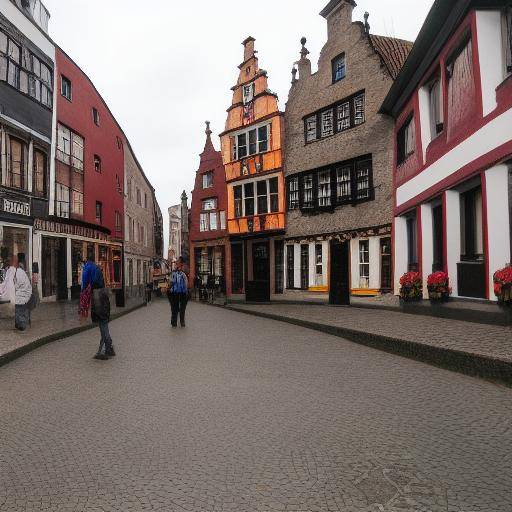
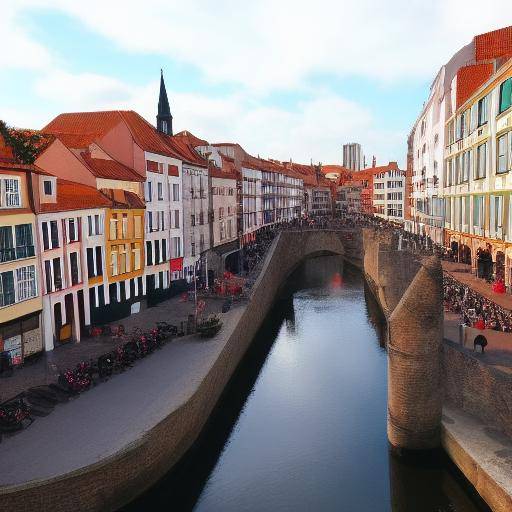
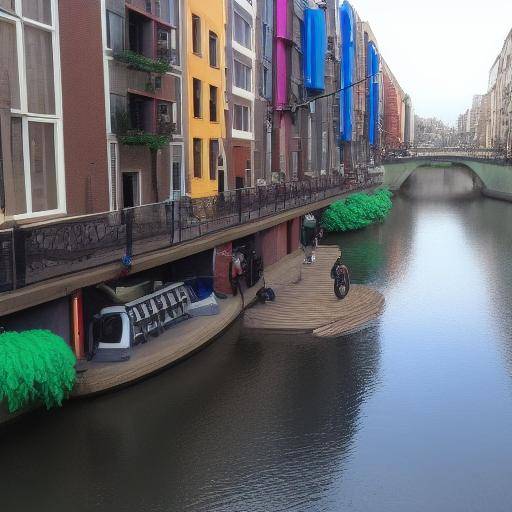
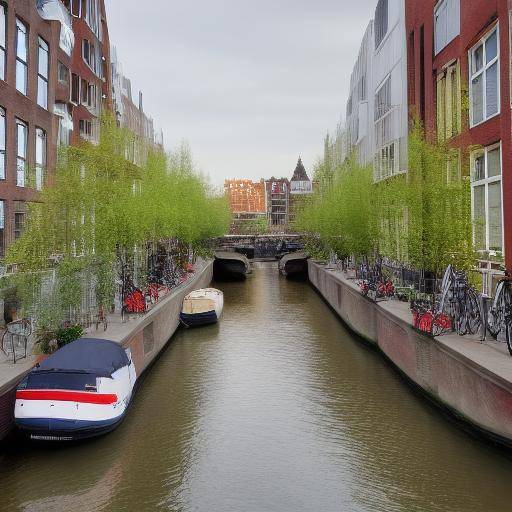
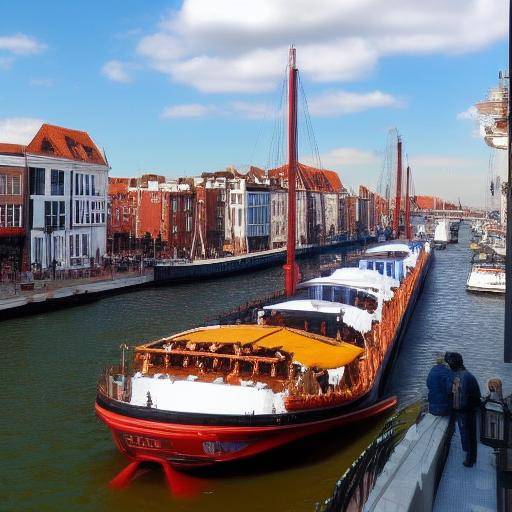
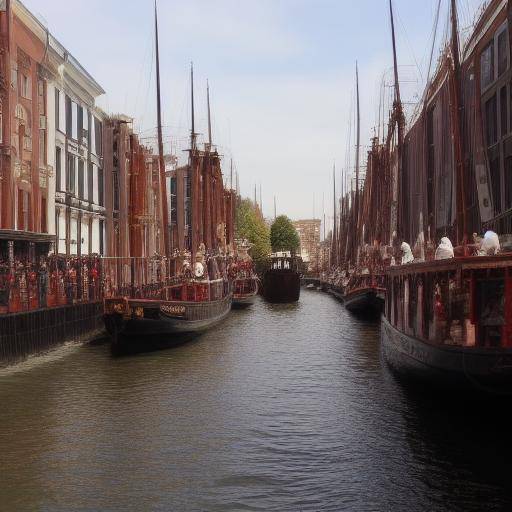
Amsterdam, the capital of the Netherlands, is known for its beautiful channels and distinctive architecture dating back centuries. The canals, along with the buildings bordering their banks, form a unique and emblematic urban landscape. In this article, we will explore the most emblematic buildings of the canals of Amsterdam, its history, architectural design, and its cultural relevance. From the majesty of Anne Frank's House to the splendor of the House of Torcid Heads, we will discover the architectural jewels that have captivated visitors from all over the world.
Introduction
Amsterdam, known for its picturesque canals and rich history, houses an impressive collection of emblematic buildings that tell the history of the city over the centuries. In this article, we will enter the heart of Amsterdam's architecture to discover the most significant monuments adorning its channels. From the influence of the Golden Age of the Netherlands to modern sustainable architecture, we will explore how these buildings encapsulate the essence of Amsterdam over time.
History and Background
Amsterdam has been shaped by its unique history, which is reflected in its buildings and channels. The emblematic canals of the city, built in the seventeenth century during the golden age of the Netherlands, serve as a reminder of its rich heritage. The Anne Frank House, a moving symbol of World War II, offers a vivid portrait of the city's recent history. In addition, the House of Torcid Heads, with its peculiar facade, represents the commercial wealth and architectural splendor of the past in Amsterdam.
The buildings in the canals of Amsterdam are living testimonies of the evolution of the city's architecture and urbanism. From the influence of the Golden Age of the Netherlands to the modern sustainable architecture, each building tells a unique story that enriches the architectural diversity of the city.
Deep analysis
Anne Frank House
Anne Frank House is one of the most visited sites in Amsterdam. This house, where young Anne Frank and her family hid during the Nazi occupation, is now a museum dedicated to her life and legacy. The house is a shocking reminder of recent history and human resilience.
House of Torcid Heads (Het Huis met de Hoofden)
This 17th century mansion is known for the six sculpted heads on its facade. It represents a splendid example of the Dutch Renaissance architecture and is a testimony of the wealth and lifestyle of the mercantile bourgeoisie of the time.
Westerkerk
The Westerkerk church is another icon in Amsterdam, famous for its 85-metre-high tower and its carillon. This Renaissance church, located near the Anne Frank House, is a historical and architectural landmark.
Van Loon Museum
Located in a historic canal, the Van Loon Museum is a 17th century manor house that belonged to the influential Van Loon family. The museum offers a vision of the aristocratic life of Amsterdam in the past centuries.
Magere Brug Bridge
The Magere Brug or "Puente Delgado" is one of Amsterdam's most famous bridges. This wooden levadizo bridge crosses the Amstel River and is an example of Dutch engineering and design.
Comprehensive review
Architectural Evolution
The buildings along the canals of Amsterdam are not only notable for their aesthetics, but also for their ability to adapt to the changing needs of society. From warehouses transformed into modern lofts to sustainable offices, these buildings reflect the evolution of architecture and urbanism in Amsterdam.
Sustainability and Conservation
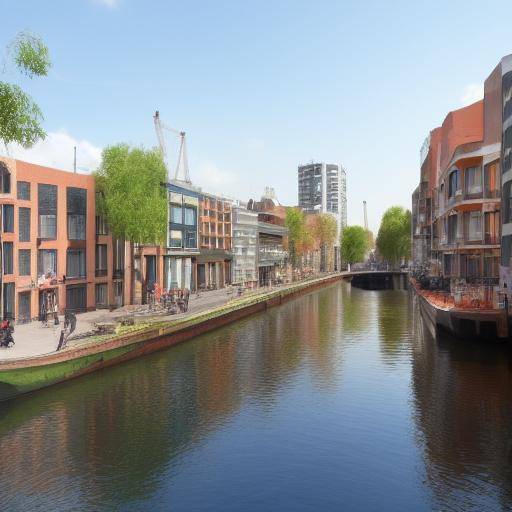
Amsterdam has pioneered the implementation of sustainable construction practices. Many of the historical buildings along the canals have been restored and modernized with ecological technologies, maintaining their historical integrity while adapting to contemporary demands.
Comparative analysis
We will compare the emblematic buildings of Amsterdam with other historic sites in Europe. This will provide a perspective on how the city has maintained its architectural heritage while adapting to urban and social changes.
Practical Tips and Recommendations
Guided Tours
For visitors wishing to explore the iconic buildings of Amsterdam's canals, it is recommended to join guided tours. These tours offer a deeper understanding of the history and architecture of the city.
Routes to Pie and in Bici
Amsterdam is an ideal city for walking or cycling. There are several well-marked routes that pass through the main points of architectural interest.
Schedules and Reservations
Some of the most popular sites, such as the Anne Frank House, require early booking. It is advisable to plan in advance to avoid long rows and make sure you do not lose any important attraction.
Industry Perspectives and Expert Reviews
Experts on architecture and heritage conservation highlight the importance of maintaining and restoring the historic buildings of Amsterdam. These views underscore the need to balance modernization with the preservation of the cultural legacy of the city.
Conclusion
The emblematic buildings of the canals of Amsterdam are more than simple architectural structures; they are living chapters of the history of the city. Exploring them is embarking on a journey through time, appreciating the rich cultural heritage and ingenious architectural evolution of Amsterdam. Whether you're interested in history, architecture or just want to enjoy the beauty of the city, these buildings offer an unforgettable experience.
I hope you enjoy discovering the iconic buildings of Amsterdam's canals!