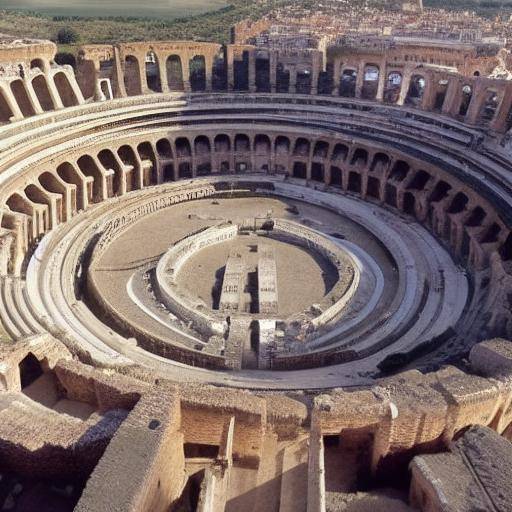
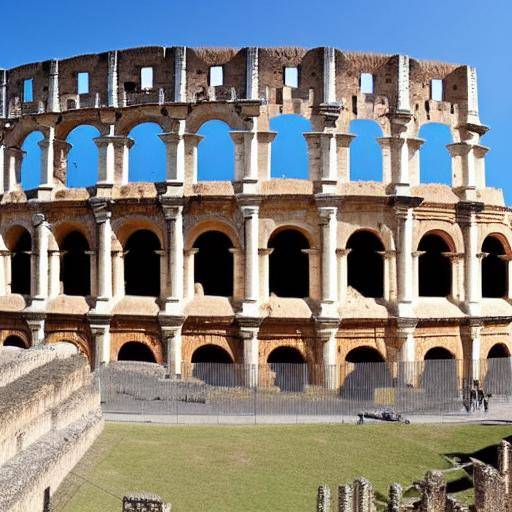
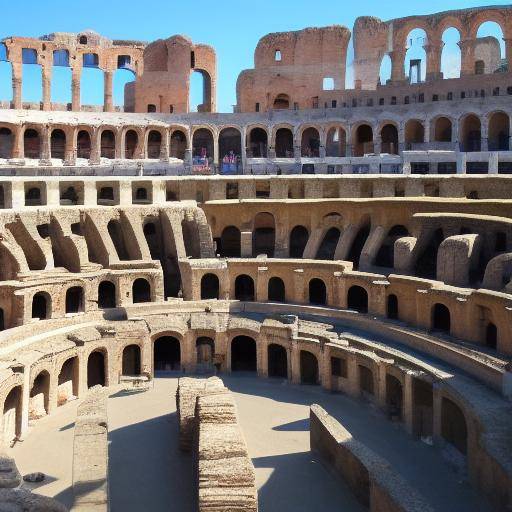
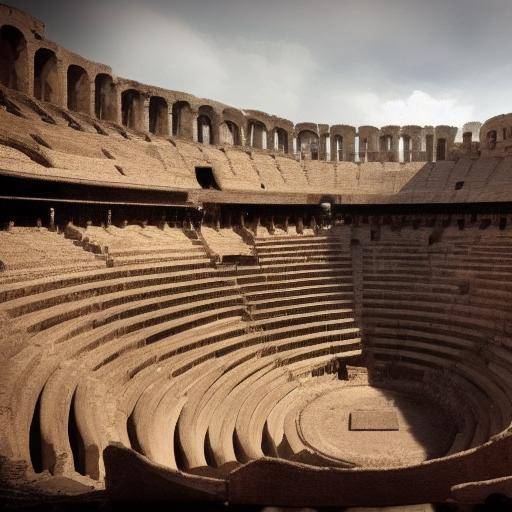
The Colosseum, an emblematic icon of Roman history, has been a source of inspiration for numerous film productions and documentaries over the years. Its greatness, history and cultural significance have made it a recurring scenario on the big screen, providing viewers with a fascinating window over time towards ancient Rome. From period films to historical documentaries, the Colosseum has left an indelible mark on popular culture over the years.
Introduction
The Colosseum of Rome, also known as Anfiteatro Flavio, is one of the most impressive and significant monuments of the Roman Empire. Its imposing structure and turbulent history make it an inexhaustible theme for film and television. In this article, we will explore in detail the presence of the Colosseum in cinema through fiction films and documentaries, as well as its impact on popular culture. We will discover how the colossal amphitheater has captivated directors, screenwriters and spectators from around the world, giving life to history and enriching the cinematographic experience.
History and Background
The Colosseum, built in the 1st century AD, has witnessed countless historical events, from the bloody battles of gladiators to the recreations of famous battles. Over the centuries, the Colosseum has been the subject of admiration, study and conservation, which has left a great mark in the world of cinema and documentaries. From classical productions to contemporary remakes, the Colosseum has been the scene of stories that have captivated audiences from around the world.
The Colosseum in Cinema
Gladiator (2000)
One of the most iconic films presented by the Colosseum is "Gladiator" directed by Ridley Scott. The film starring Russell Crowe as the Roman general Maximum Meridio uses the Colosseum as the main stage for epic gladiator battles. The representation of the Colosseum in "Gladiator" has been praised for its attention to detail and its ability to transport viewers to ancient Rome.
Ben-Hur (1959)
Another film production that immortalized the Colosseum is "Ben-Hur" directed by William Wyler. Although the famous quadrash race does not take place in the Colosseum, the film itself represents the splendor of ancient Rome and its shows. "Ben-Hur" is a classic cinema that uses the grandeur of Roman architecture to give life to its memorable scenes.
Demetrius and the Gladiators (1954)
Directed by Delmer Daves, this film is a sequel to "The Robe" and presents Victor Mature as Demetrius, a slave converted into gladiator. The Colosseum is a central stage in this history of faith and struggle, highlighting the brutal competitions of gladiators and the opulence of imperial Rome.
Historical Documentaries
The Colosseum: Roman Death Trap (2017)
This National Geographic documentary offers an in-depth look at the history of the Coliseum, exploring its methods of construction and advanced technologies used by the Romans. With detailed recreations and expert comments, the documentary reveals how the elaborate traps and underground machinery of the Coliseum were designed.
Secrets of the Colosseum (2014)
Part of PBS's "Secrets of the Dead" series, this documentary unravels the mysteries of the Colosseum, from its construction to gladiator fights and spectacular animal hunts. Through CGI and interviews with historians, the program offers a detailed view of life and death at the amphitheater.
Colosseum: The Whole Story (2010)
Produced by History Channel, this documentary explores the complete history of the Colosseum, from its construction under the emperor Vespasian to its use in the Middle Ages and its current state. The documentary also analyzes the roles of gladiators, games and the cultural impact of the Colosseum in Roman history.
Analysis in Deep
The benefits of using the Colosseum as a cinematographic stage go beyond its mere visual presence. The grandeur and majesty of the old construction add an additional layer of authenticity and spectacularity to the film productions. The presence of the Colosseum in films and documentaries not only attracts the enthusiasts of history and archaeology, but also educates and entertains a wider audience, allowing the fascination for ancient Rome to persist in popular culture.
Conclusion
The Colosseum of Rome remains an inexhaustible source of inspiration for film and television. From epic battles of gladiators in "Gladiator" to documentaries that unravel their secrets, the Colosseum continues to captivate audiences from around the world. Its impact on popular culture and its ability to transport viewers to ancient Rome make it a lasting icon of history and cinema.
Frequently asked questions
1. What is the most famous film presented by the Colosseum?
"Gladiator" (2000), directed by Ridley Scott and starring Russell Crowe, is probably the most famous film featuring the Colosseum.
2. Are there documentaries that explore the history of the Colosseum?
Yes, documentaries like "The Colosseum: Roman Death Trap" and "Secrets of the Colosseum" offer an in-depth look at the history and secrets of the Colosseum.
3. How has the Colosseum influenced popular culture?
The Colosseum has been immortalized in numerous films, documentaries and works of art, becoming a symbol of ancient Rome and a source of inspiration for various forms of cultural expression.
4. What techniques do documentaries use to recreate the Colosseum?
The documentaries use CGI, detailed recreations and expert comments to provide a precise and attractive view of the Colosseum and its operation.
5. What aspects of the Colosseum stand out in film productions?
The film productions often highlight the great architecture of the Colosseum, the epic battles of gladiators and their cultural and historical significance.
Exploring the Colosseum through film and documentaries not only enriches our knowledge of Roman history, but also allows us to appreciate the majesty of this iconic monument from a modern and accessible perspective.