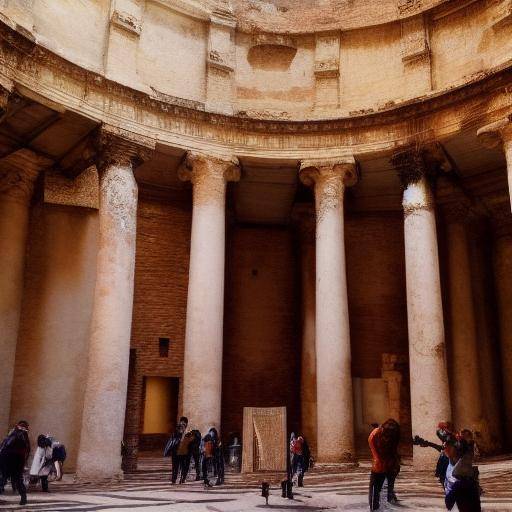
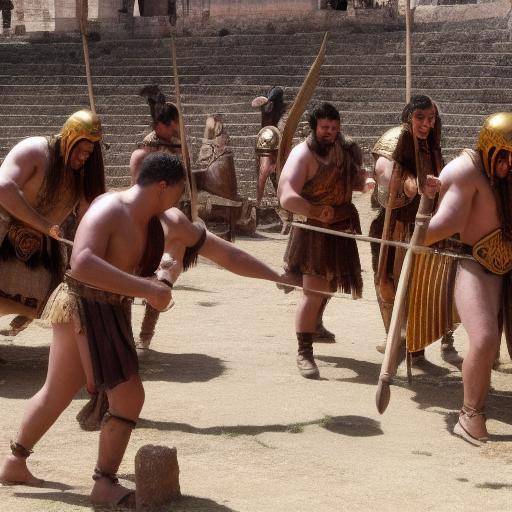
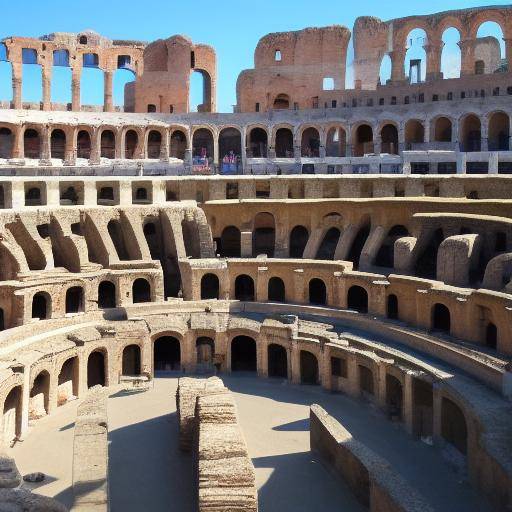
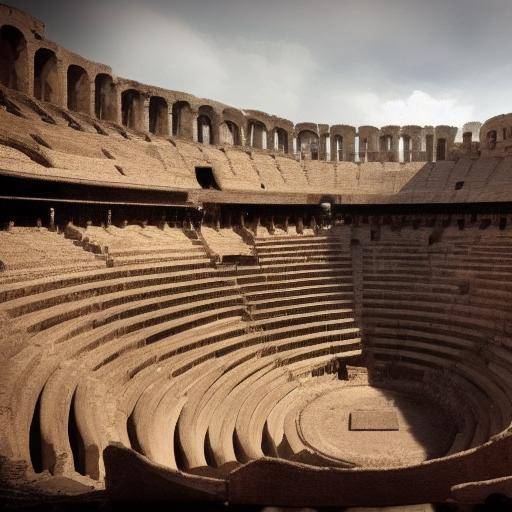
In the cradle of ancient Rome, there is a monument that has resisted the passing of the centuries: the majestic Colosseum. Throughout its fascinating history, it has become a place of bloody battles between gladiators to become an important archaeological and tourist site. This article will explore the evolution of the Colosseum, from its origins in the sand to its transformation into a museum, and will examine the history that lies between its walls.
Introduction
From the exploits of the brave gladiators to the preservation of their remains in modern museums, the Colosseum has witnessed countless stories that transcend time. Throughout this article, we will discover the secrets behind its imposing arches and vestiges of its glorious past, as well as its current role as an emblematic museum that attracts millions of visitors every year.
History and Background
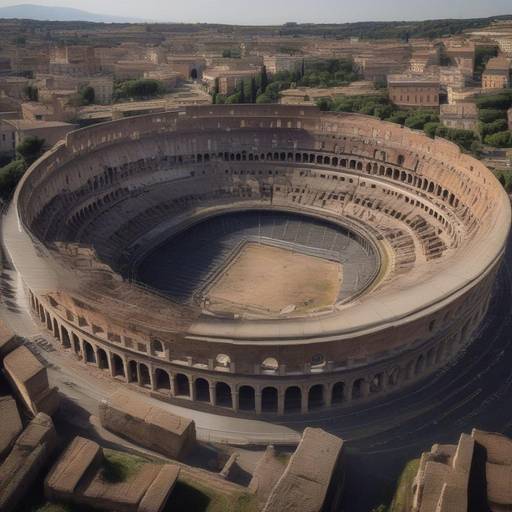
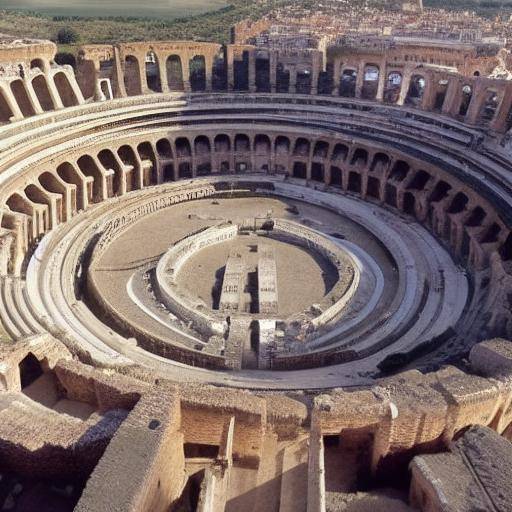
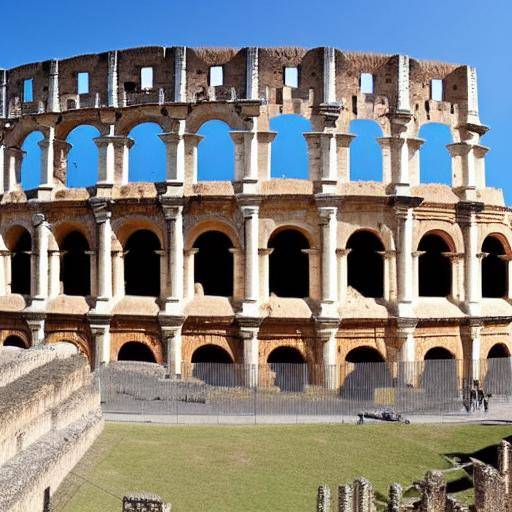
The Colosseum, also known as Anfiteatro Flavio, was built in 70-80 AD during the reign of the Vespasian and Titus emperors. With a capacity to host up to 50,000 spectators, it was the scene of public shows, gladiator battles, wild animal hunting and recreation of famous battles. His imposing architecture and impact on the society of the time made him a symbol of the power and grandeur of Rome.
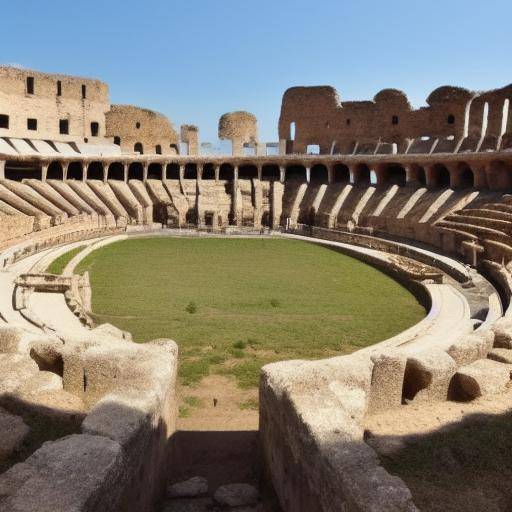
With the decline of the Roman Empire, the Colosseum suffered damage from earthquakes and looting, and its use as a entertainment centre came to an end. However, its historical and architectural value caused it to become an object of interest both for scholars and for the general public. Over the centuries, the Colosseum has been restored and preserved, and its historical importance has led it to be declared a World Heritage Site by UNESCO.
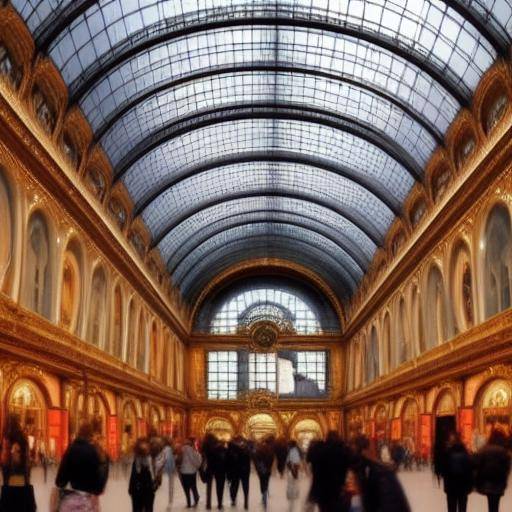
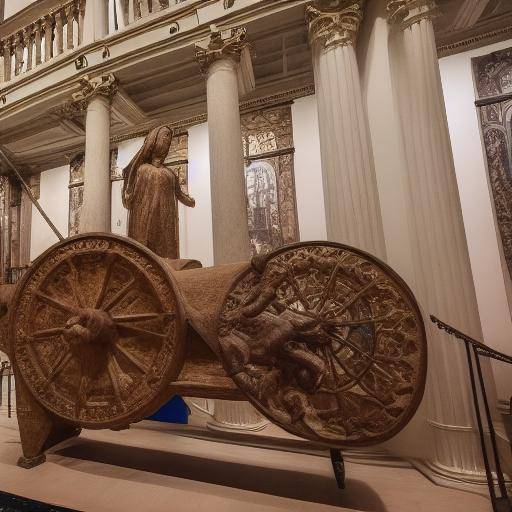
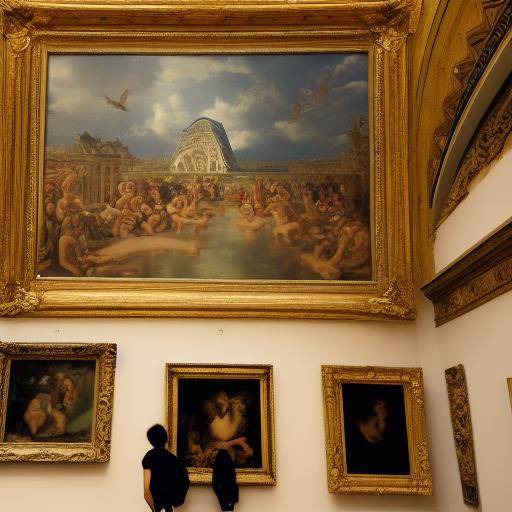
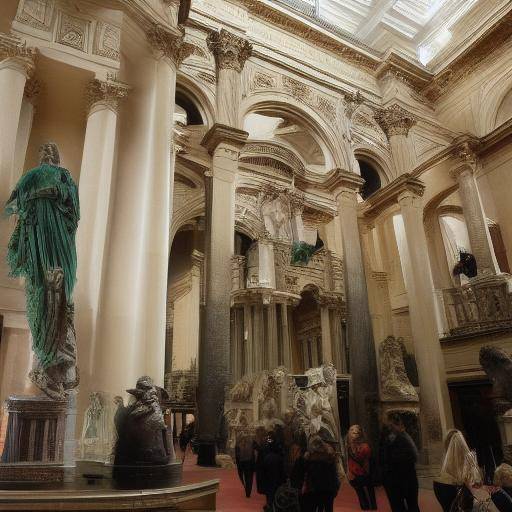
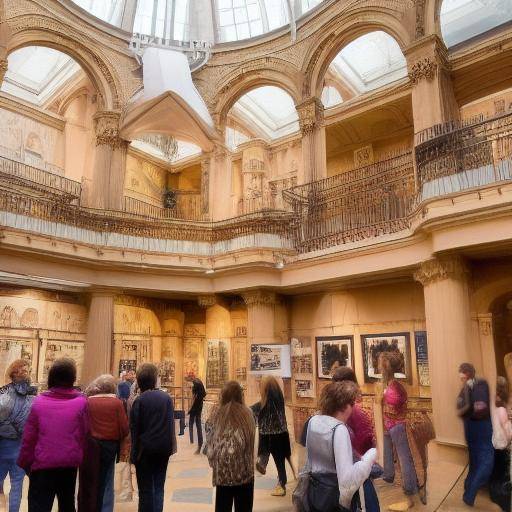
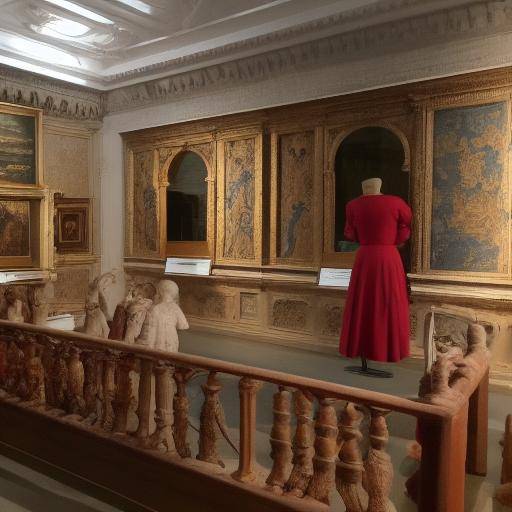
The role of the Colosseum as a museum has allowed its visitors to know closely its rich history, from its days of splendor in ancient Rome to its transformation into an important archaeological site. Through artifacts, interactive exhibitions and guided tours, visitors can immerse themselves in the world of gladiators and ancient Rome, thus discovering the secrets that lie in their ruins.
Deep analysis
The Colosseum as a museum has opened new opportunities to understand Roman history and culture. Through research and excavations, valuable artifacts have been discovered that shed light on everyday life in ancient Rome and that enrich the experience of visitors. The museum offers an integral perspective of life in ancient Rome, presenting not only the grandeur of the shows, but also the lives of those who stared at them and the everyday details that marked their existence.
With modern technology, interactive exhibitions have been developed that allow visitors to virtually explore the Colosseum in its original splendour, transporting them over time and giving them an immersive experience that transcends the barriers of reality. Digital tools have revolutionized the way history can be accessed and understood, making the Colosseum accessible to a global audience.
Comprehensive review
The emergence of the Colosseum as a museum has raised challenges and opportunities in terms of conservation, management and dissemination of cultural heritage. The preservation of the ruins of the Colosseum, as well as the protection of the artifacts found in its surroundings, requires a careful balance between exposure to the public and long-term conservation. Restoration methods and conservation policies have been discussed and developed, with the aim of ensuring the integrity of the Coliseum for future generations.
Comparative analysis
The comparison between the Colosseum, the museum and history allows us to identify the connections between these elements and understand how they converge to enrich the understanding of the past. While the Colosseum represents the greatness of ancient Rome, the museum acts as a bridge that unites its legacy with the present, offering a window to the past that transcends the barriers of time. History, for its part, is the guiding thread that intertwines past experiences with those present, giving meaning and context to every vestige and account emanating from the Colosseum.
Practical Tips and Accessible Recommendations
If you plan to visit the Colosseum or any other historical museum, it is advisable to book your tickets in advance and choose a guided tour to get a deeper understanding of their history and cultural significance. By exploring historical museums, spend time contemplating the details of the exhibitions and participating in interactive activities that enrich your experience. Finally, it recalls respecting the rules of conservation and protection of heritage, thus contributing to its preservation for future generations.
Industry Perspectives and Expert Reviews
Experts in history and cultural heritage coincide in the value of historical museums, such as the Colosseum, for the understanding and appreciation of human history. The preservation and dissemination of these emblematic places are fundamental to keeping collective memory alive and to promote intercultural understanding. Technological advances and innovation in museum management offer exciting opportunities to bring the public to the past in ways that were previously unimaginable.
Case Studies and Real Life Applications
Various museums around the world have adopted innovative strategies to attract a diverse audience and to preserve its historical legacy. From the implementation of virtual tours to the creation of mobile applications that facilitate interaction with exhibitions, museums are adopting a modern approach that balances tradition with innovation. These efforts have expanded the scope of historical museums, making them attractive for a global audience.
Future Trends and Predictions
The future of historical museums, including the Colosseum, is marked by the integration of technology, the diversification of audiences and the emphasis on sustainability. Museums are expected to continue to adapt to offer enriching experiences that emotionally connect people with the past, thus promoting greater appreciation for history and culture. Moreover, international collaboration between museums and the adoption of innovative management and conservation practices will mark the course of historical museums in the coming decades.
Conclusions and FAQs
In conclusion, the Colosseum has evolved from being a stage of entertainment to being a venerated museum that preserves the grandeur of ancient Rome. Its transformation has allowed millions of people to immerse themselves in the history and culture of one of the most influential civilizations in history. As we travel between the remnants of the past, the Colosseum reminds us that our understanding of the present is intrinsically linked to the events that shaped it.
Frequently asked questions
What is the importance of the Colosseum in the history of Rome?
The Colosseum was a symbol of the power and greatness of ancient Rome, being the scene of public shows and events that brought together Roman society.
What kind of artifacts can be found at the Coliseum Museum?
The Coliseum Museum houses a wide variety of artifacts, including gladiator weapons, sculptures, ancient coins and objects that shed light on everyday life in ancient Rome.
What are the challenges of preserving a histoic place like the Colosseum?
The conservation of the Coliseum poses challenges in terms of restoration, protection against erosion and the impact of tourism, as well as the preservation of the artifacts found in the place.
What is the impact of the Colosseum as a museum on the understanding of Roman history?
The Colosseum as a museum has enriched the understanding of Roman history by offering a detailed vision of life in ancient Rome and of the shows that took place in the Colosseum.
What are future trends in managing historical museums?
Historical museums are expected to integrate innovative technologies, diversify their audiences and focus on sustainability to provide enriching experiences and connect with a global audience.
What is the role of technology in the preservation of cultural heritage?
Technology plays a key role in the preservation of cultural heritage by allowing the creation of immersive experiences, the digital conservation of artifacts and the global dissemination of history and culture.
How can I plan my visit to the Colosseum as a museum?
To plan a visit to the Colosseum as a museum, it is advisable to book in advance, choose a guided tour and spend time contemplating the details of the exhibitions to get a deeper understanding of their history.
Why is it important to preserve historical sites such as the Colosseum for future generations?
The preservation of historical sites such as the Colosseum is essential to convey the cultural legacy and identity of mankind to future generations, promoting the understanding and appreciation of the past.
Conclusion
The Colosseum, from its days of greatness in ancient Rome to its transformation into an emblematic museum, represents a legacy that transcends time and invites us to reflect on our own place in history. As we admire its majestic ruins and explore its galleries, we immerse ourselves in a journey in the time that connects us with the roots of our civilization. The Colosseum, as a monument and museum, reminds us that history is not just a story of the past, but a living legacy that envelops and inspires us.
In short, the Coliseum's trajectory from the sand to the museum is a testimony to the importance of preserving and sharing cultural heritage for present and future generations. Through its history, the Colosseum teaches us that greatness endures, that the past illuminates us and that humanity is united by its common legacy.
In this exciting journey through time and space, we say goodbye to the Colosseum with the certainty that its history continues to resonate in eternity, forging an indestructible link between past, present and future. May this exploration inspire us to honor and preserve our cultural legacy, always remembering the majesty of the Colosseum in our minds and hearts.