Since time immemorial, the hummingbirds have been scenes of transcendental events in the history of humanity. These majestic structures not only served as entertainment venues, but also witnessed significant moments that marked the evolution of society and architecture. In this article, we will explore the history, cultural importance and impressive architecture of some of the world's great hulls, highlighting its lasting legacy that serves as a witness to the past.
History and Evolution of the Colossees
The hummingbirds, known in ancient Rome as "anfiteatros", played a fundamental role in the social and cultural life of the time. Its history dates back to thousands of years, with evidence of similar structures found in various ancient civilizations, such as Greece and Egypt. However, the Roman Colosseum is indisputably the most iconic and emblematic of all.
The construction of the Roman Colosseum, also known as Anfiteatro Flavio, began in the year 70-72 AD under the command of the emperor Vespasiano and was completed in the year 80 AD. During his apogee, this majestic collision could accommodate more than 50,000 spectators and was the scene of gladiator battles, historical recreations, wild animals hunt and public events.
Similarly, the Colosseum of Verona, built in the 1st century AD, and the amphitheater of Nimes in France, both are outstanding examples of Roman influence in the architecture and entertainment of the time. These impressive structures not only represent the architectural genius of antiquity, but also symbolize the importance of recreation and spectacle in Roman society.
Coliseum Architecture: Impressive Structures
The architecture of the hummingbirds is an amazing testimony of the technical skill and creative ingenuity of ancient civilizations. From the shape and layout of the seats to the acoustics designed to maximize the viewer's experience, each aspect of building a collision reflects an extraordinary level of planning and execution.
The design of the Roman Colosseum, with its three levels of arcades and its intricate systems of tunnels and underground passages, constitutes a monumental achievement in the history of architecture. The meticulous consideration of the distribution of space and attention to detail in ornamentation reveal the deep commitment of architects and builders to the aesthetic and functional excellence of the structure.
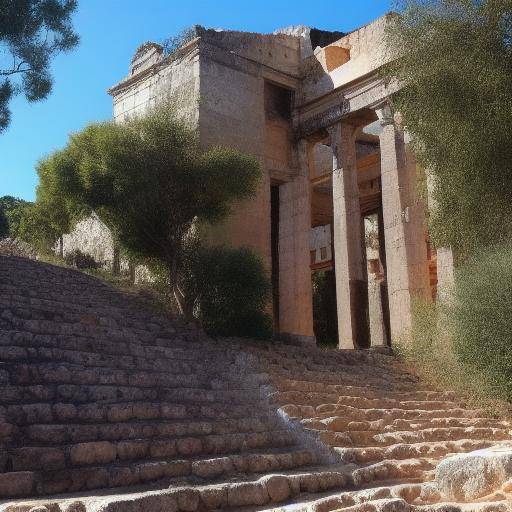
Similarly, the Pula Amphitheater in Croatia, one of the best preserved structures of ancient Rome, exhibits an impressive architecture that has resisted the time test. The combination of construction engineering and visual aesthetics in these hues offers a fascinating view of human ability to create lasting monuments that transcend the eras.
Perdurable Cultural and Legacy Impact
The hummingbirds are not only monuments of a distant past, but also continue to influence contemporary culture and society. Through their lasting legacy, these majestic buildings serve as palpable reminders of the greatness and creativity of the civilizations that built them.
The Roman Colosseum, in particular, has inspired countless works of art, literature, cinema and architecture throughout the centuries. Its influence extends far beyond the borders of Italy, captivating people from all cultures and generations. The iconic image of the Colosseum has come to symbolize the greatness of the Roman Empire and the indestructible resistance of the human spirit.
In short, the hummingbirds of the world not only embody architectural grandeur and historical wealth, but also function as silent guardians that witness the passage of time and the evolution of humanity. His lasting legacy continues to inspire and marvel at current and future generations, reminding us of the importance of preserving and appreciating the wonders of the past.
Conclusion
The hummingbirds of the world are priceless treasures that encapsulate the magnificence of history, the greatness of architecture and the lasting cultural legacy. From the imposing Roman Coliseum to the majestic Amphitheater of Verona, these monumental structures transport us to fascinating times and invite us to reflect on the infinite creativity and skill of the human being.
Ultimately, the hummingbirds survive as silent witnesses of the past, reminding us of the importance of assessing and preserving our cultural heritage. Its lasting impact transcends the barriers of time and invites us to immerse ourselves in the wonders of history and architecture.
Find out more about these wonders of the world!
FAQs
**1. What's the biggest collision in the world?**The Roman Colosseum is considered the largest collision in the world, with an estimated capacity of more than 50,000 spectators.
**2. What is the importance of the hummingbirds in ancient Rome?**The hummingbirds played a crucial role in the social and cultural life of ancient Rome, serving as scenarios for public events, gladiator battles and mass entertainment.
**3. Why are the hummingbirds important from the architectural point of view?**The hummingbirds represent extraordinary exploits of planning, design and construction, providing exceptional visions of architecture and antiquity engineering.
**4. What is the cultural impact of hummingbirds on current society?**The hummingbirds continue to influence contemporary culture, inspiring works of art, literature, cinema and architecture, and serving as lasting symbols of grandeur and creativity.
**5. What hulls would be interesting to visit today?**In addition to the Roman Colosseum, the host of Verona, the host of Pula in Croatia and the host of Nimes in France are fascinating destinations for lovers of history and architecture.
**6. Why are the hummingbirds still relevant today?**The hummingbirds are tangible testimonies of history and architecture, conveying significant lessons on human creativity, technical competition and the perdurability of cultural legacy.
In short, the hummingbirds of the world remain impressive monuments that highlight the architectural grandeur and historical relevance of ancient civilizations. His lasting legacy invites us to contemplate and value the magnificence of history and architecture, reminding us of the importance of preserving and appreciating the wonders of the past.