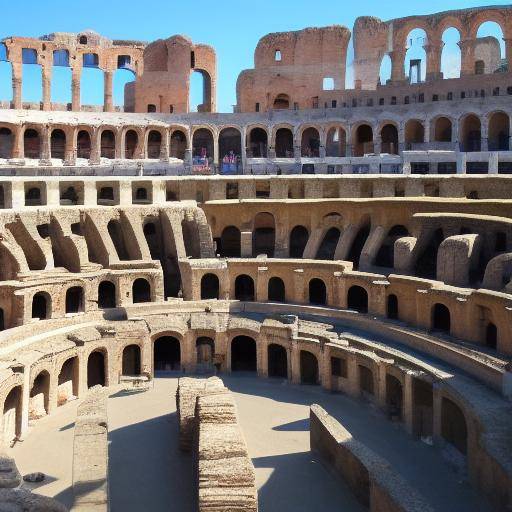
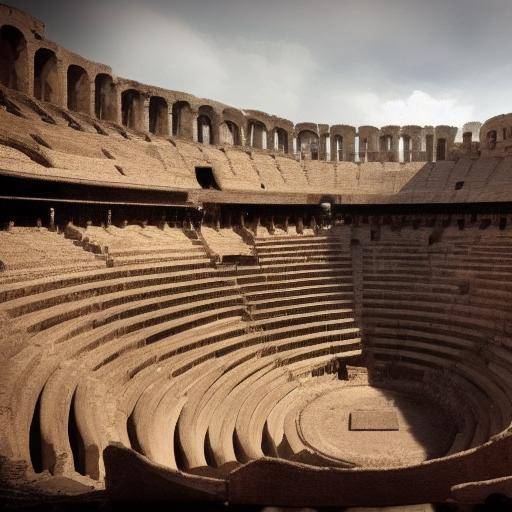
The gladiators, symbols of bravery and skill, are one of the most fascinating facets of ancient Roman society. Their brutal clashes in the sand in front of sick crowds have left an indelible mark on history and culture. In this article, we will thoroughly explore the world of gladiators, the greatness of Rome and the rich ancient culture that engendered them.
Introduction
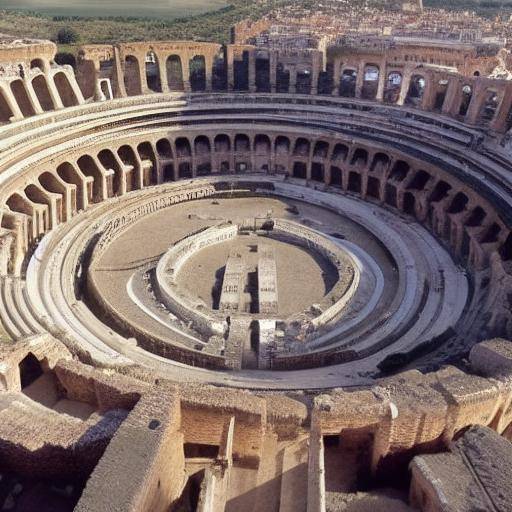
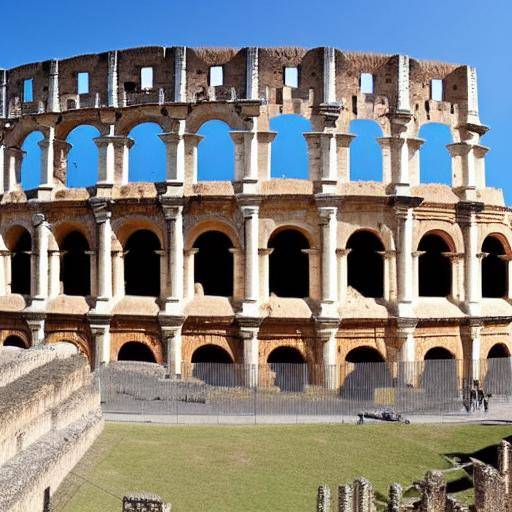
Imagine being in the Roman Colosseum, the heart of the ancient Rome, witnessing the epic battles of gladiators. The culture of gladiators is a fascinating window to the ancient Roman world, revealing not only the brutality of the struggle, but also the complexity of a society marked by power, glory and tragedy. In this article, we will discover the historical roots, the cultural meaning and the lasting legacy of gladiators, Rome and the ancient culture surrounding them.
History and Background
The story of gladiators dates back to the third century BC, when Rome celebrated funerals with combat shows that would evolve into gladiator games. In this period, gladiators were slaves, prisoners of war and trained criminals to fight for public entertainment. The gladiator figure became a symbol of heroism and courage, and its popularity grew to become a cultural phenomenon rooted in Roman society.
The gladiator games were a manifestation of power and opulence, used by emperors and leaders to gain the favor of the people and demonstrate their dominion over life and death. The magnitude of the games, with epic clashes and bloodshed, reflected the brutality of Roman society and its values of strength, honor and sacrifice.
Deep analysis
Despite the brutality inherent in gladiator fights, these events played a crucial role in the formation of Roman identity and social cohesion. The spectacles of the sand served as an escape valve for tensions and rivalries in Roman society, while reinforcing the sense of community and belonging.
The gladiators were also seen as symbols of resistance and courage, embodying the struggle for freedom and human dignity. Its influence transcended the sands, inspiring works of art, literature and mythology that persist until today.
Comprehensive review
The influence of gladiators spread beyond the sphere of entertainment, leaving their mark in areas such as politics, religion and philosophy. The representations of gladiators in Roman popular culture became a symbol of power and virtue, shaping the collective mindset of society.
The legacy of Rome and its ancient culture is undeniable in the modern world, with numerous references in architecture, government, law and arts. This cultural continuity has kept alive the fascination of gladiators and their time, transforming them into timeless icons of tenacity and sacrifice.
Comparative analysis
The influence of gladiators in ancient culture is equal to the greatness of Rome itself. Both represent a period of splendour and human effort, where ambition, passion and struggle for survival shaped the destiny of a civilization.
By comparing gladiators with other aspects of ancient culture, such as literature, architecture and religion, we can appreciate the complexity and diversity of Roman society, as well as its lasting impact on the contemporary world.
Practical Tips and Accessible Tips
If you ever find yourself exploring the ruins of the Roman Colosseum or reading about ancient Rome, remember to appreciate the lasting legacy of gladiators. These historical figures not only teach us about courage and determination, but also offer a unique perspective on the greatness and complexity of ancient Rome.
Conclusion
In conclusion, the gladiators, Rome and the ancient culture that nourished them are lasting treasures of human history. His legacy has transcended time, forging an indelible mark on our understanding of the past and in our appreciation of resistance, ambition and human passion. By exploring these topics, we immerse ourselves in a world of greatness, struggle and courage, a world that continues to inspire and fascinate later generations. In every stone of the Colosseum, in every story of a gladiator, in every work of ancient art, we find the eternal spark of glory and tragedy of a distant time, a time that continues to speak to us from the depths of history.
Frequently asked questions
How were gladiators trained in ancient Rome?
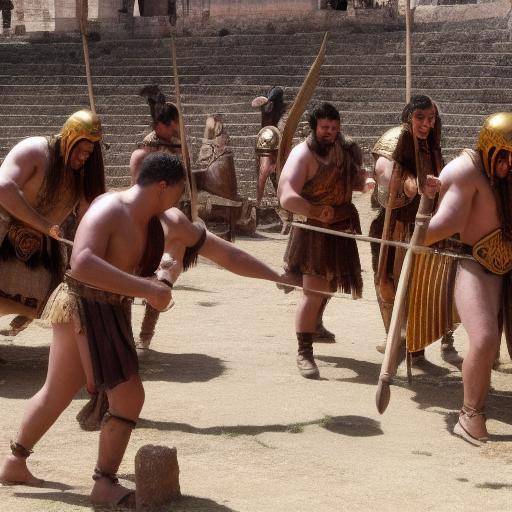
The gladiators went through a rigorous training that included weapons practices, combat techniques and physical conditioning. They were trained to develop fighting skills to entertain the masses in the arena.
What was the role of gladiators in Roman society?
The gladiators played a complex role in Roman society. Although they were seen as symbols of value and tenacity, they were also considered socially marginalized. However, some gladiators managed to obtain admiration and popular recognition.
When were gladiator games held and who were involved?
Gladiator games used to be held at major festivals, funerals or events. Participants, known as "gladiators", came from different backgrounds, including slaves, prisoners of war and criminals, and were trained in specialized schools.
How did gladiators impact the culture and art of ancient Rome?
The figure of gladiators left a deep mark on Roman culture and art. They became recurring motives in paintings, sculptures and mosaics, representing the value, struggle and tragedy that defined human existence.
What was the role of gladiator games in politics and the Roman government?
The gladiator games were used by Roman leaders as a way of controlling the population and demonstrating their power. These events became symbols of status and authority, and their organization was a responsibility of the rulers.
What legacy did the gladiators and the ancient culture of Rome leave today?
The legacy of gladiators and the ancient culture of Rome persists in numerous manifestations throughout history. From artistic representations to philosophical concepts, the influence of these elements continues to resonate in the present world.
In short, gladiators, ancient Rome and its culture read a fascinating heritage that continues to impact our understanding of the past and our appreciation of human resilence. His influence transcended the fighting arenas to become timeless emblems of courage, grandeur and tragedy. To immerse yourself in this legacy is to enter a universe of splendor, struggle and courage that continues to inspire and fascinate the coming generations.