Rome, the "Eternal City", is impregnated with imperial history that is reflected in its monuments and emblematic places. From the majestic Colosseum to the ruins of the Roman Forum, every corner of ancient Rome breathes the grandeur of its imperial past. If you are planning a trip to Rome, it is essential to explore these monuments that will immerse you in the greatness of the Roman Empire. In this article, you will discover the most outstanding imperial monuments that you cannot miss during your visit to the eternal city.
Introduction
Rome, the capital of Italy, is a city with a rich history dating back over 2,500 years. For centuries, Rome was the centre of the powerful Roman Empire, which left a lasting legacy in the form of monuments, buildings and ruins. In this article, we will explore the most emblematic imperial monuments of Rome that capture the grandeur and history of the ancient empire. From the Colosseum to the Pantheon, you will discover the majesty of imperial Rome through its monuments.
History and Background
Rome, founded according to the legend by Rómulo and Remo in 753 BC, became the epicenter of a vast empire that spread throughout the Mediterranean. During his apogee, the Roman Empire covered large tracts of territories and left a lasting legacy in architecture, art, law and culture.
Colosseum
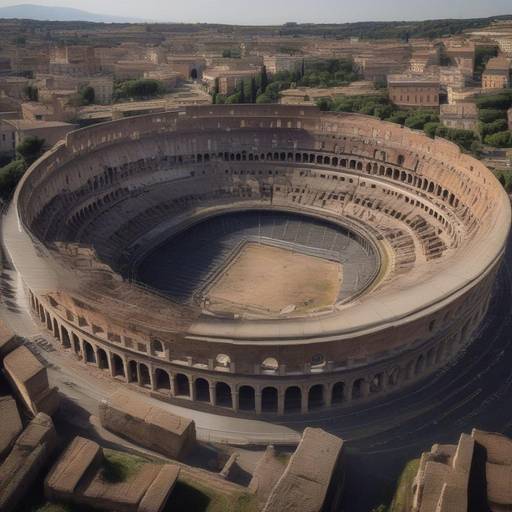
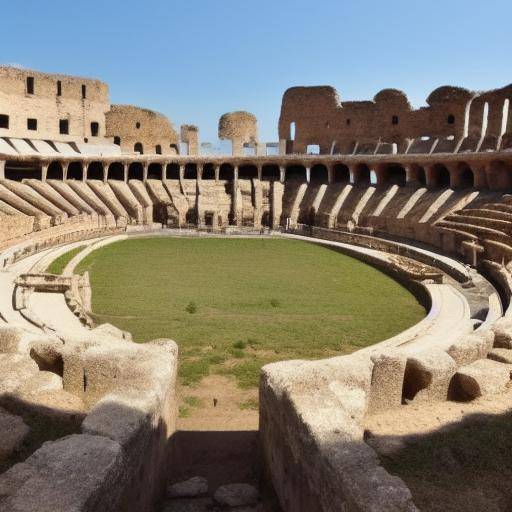
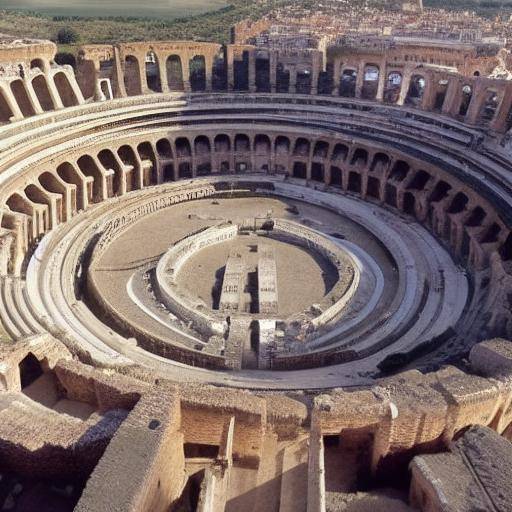
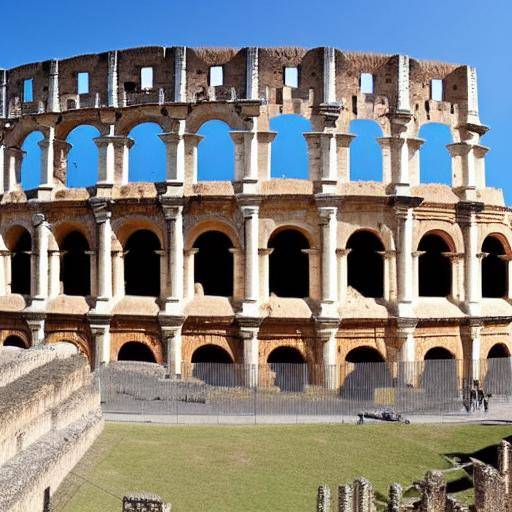
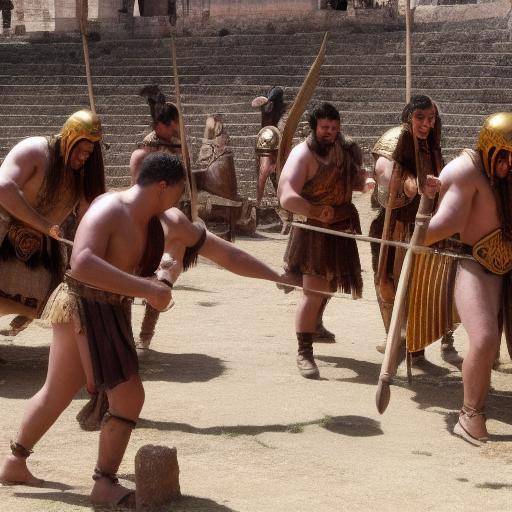
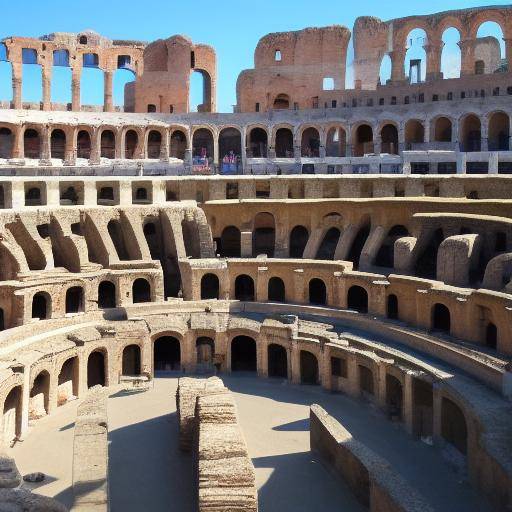
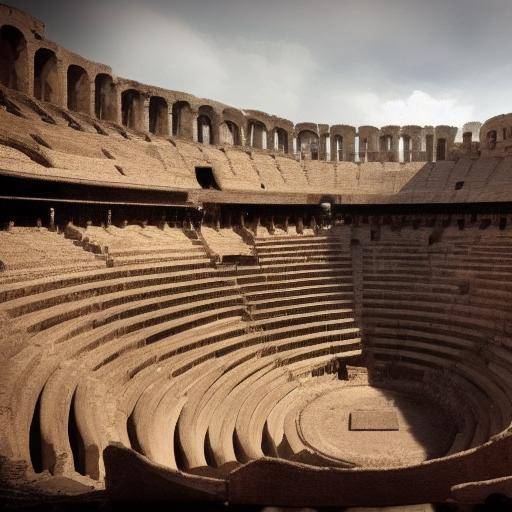
One of the most iconic monuments in Rome is the Colosseum, an amphitheater built in the 1st century AD. With capacity to host 50,000 spectators, the Colosseum was the scene of gladiators, fierce battles and public events. Today, it is an impressive testimony of Roman architectural ingenuity.
Roman Forum
The Roman Forum was the nerve centre of public life in ancient Rome. This ruin complex houses temples, basilicas and public spaces that show the splendor of imperial Rome. Exploring the Roman Forum is to enter the daily life of the ancient Romans.
Pantheon
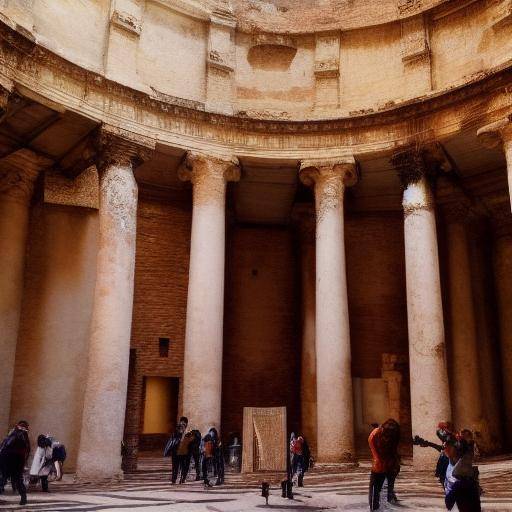
The Pantheon is a temple built in honor of the Roman gods. Its concrete dome is an impressive architectural achievement that has resisted the passage of time. The Pantheon is a symbol of the grandeur of Roman engineering and houses the graves of illustrious characters, including the renowned Renaissance artist Rafael.
Caracalla Hot Springs
Caracalla Thermals are a monumental thermal complex built in the early 3rd century AD. These spas offered a luxurious experience of baths, gyms and recreational activities for Roman citizens. Its monumental architecture is a reminder of the opulence of the Roman Empire.
Analysis in Deep
The influence of the Roman Empire extends far beyond architecture, encompassing aspects such as law, language, engineering and art. The legacy of the Roman Empire remains relevant in modern society, and its influence can be observed in many aspects of everyday life.
Exhaustive examination
Exploring Imperial Rome is a unique experience that offers a fascinating view of the past. Imperial monuments are not only testimonies of the greatness of the Roman Empire, but also provide a deeper understanding of the history and culture that have shaped the present.
Comparative analysis
To compare and contrast the characteristics of imperial Rome with other civilizations and historical periods allows to appreciate its uniqueness and its lasting impact on the modern world. Understanding the similarities and differences between imperial Rome and other empires offers a unique perspective to assess its legacy.
Practical Tips and Accessible Tips
If you are planning to explore imperial Rome, here are some practical tips to get the most out of your visit:
- Invest before your journey to understand the history and meaning of each monument.
- Consider joining a guided tour for detailed information and historical context.
- Plan your visit to avoid crowds and make the most of your time.
- Don't forget to wear comfortable shoes, sunscreen and water, as exploring the monuments will require outdoor walking.
Industry Perspectives and Expert Reviews
The experts in history, archaeology and tourism offer a insightful view of the importance of preserving and promoting the legacy of imperial Rome. Their analysis and opinions give a wider understanding of the continuing relevance of these monuments in the modern world.
Case Studies and Real Life Applications
Through case studies and concrete examples, it is possible to understand how the history and culture of imperial Rome continue to influence areas such as tourism, heritage preservation and urban development. These examples illustrate how imperial monuments impact modern life.
Future Trends and Predictions
The legacy of imperial Rome remains a subject of continuous interest, and future trends point to a greater focus on the conservation and promotion of these monuments for future generations. The predictions about historical tourism reveal a growing interest in discovering and preserving the heritage of the Roman Empire.
Conclusion
Exploring the monuments of imperial Rome is an enriching experience that allows us to understand the greatness and lasting influence of one of the most influential civilizations in history. From the Colosseum to the Roman Forum, each monument tells a fascinating story that invites visitors to immerse themselves in the past and appreciate its lasting legacy.
Frequently asked questions
Why is it important to visit the monuments of imperial Rome?
The visit to the monuments of imperial Rome offers a profound understanding of a civilization that has left a significant impact on the modern world. It is a unique opportunity to appreciate the greatness and complexity of the Roman Empire.
What is the best time to visit the monuments of imperial Rome?
The best time to visit the monuments of imperial Rome is during the spring or autumn, when the weather is pleasant and there are less agglomerations of tourists.
What can I learn from imperial Rome as a tourist?
As a tourist, imperial Rome offers a unique vision of the history, architecture and culture of one of the most influential civilizations in history. In exploring these monuments, a deep understanding of the legacy of the Roman Empire is acquired.
How long do you need to visit the most important monuments of imperial Rome?
To visit the most important monuments of imperial Rome, it is recommended to book at least three days, although the exact time will depend on the depth with which you want to explore each site.
What are some precautions to consider when visiting the monuments of imperial Rome?
When visiting the monuments of imperial Rome, it is important to follow the safety indications and respect the rules to preserve these historical sites. In addition, carrying sun protection, water and comfortable footwear will help ensure a comfortable and pleasant experience.
What is the most impressive monument of imperial Rome?
While every monument of imperial Rome has its own charm and meaning, many consider the Colosseum as the most impressive due to its size, history and magnitude of the battles that took place there.
In short, exploring the monuments of imperial Rome is an experience that combines history, architecture and culture, and leaves a lasting impression on all those who have the opportunity to travel in time through these historical monuments. Now that you know the monuments you can't miss, get ready for an extraordinary trip to the imperial Rome!