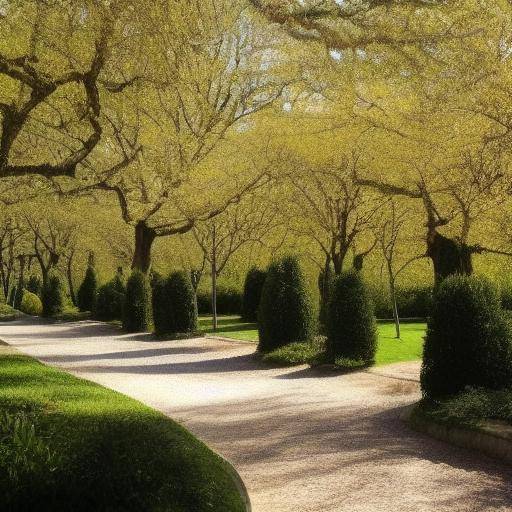
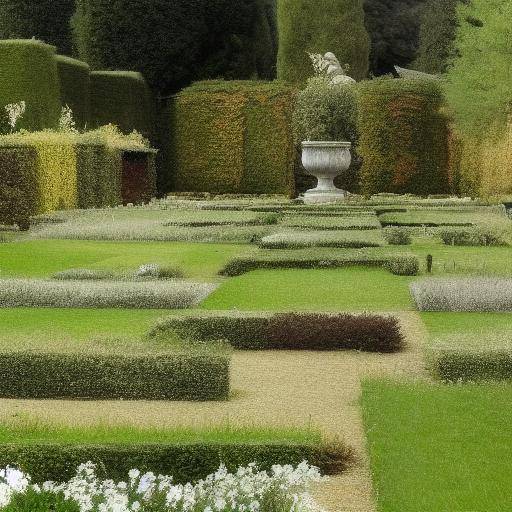
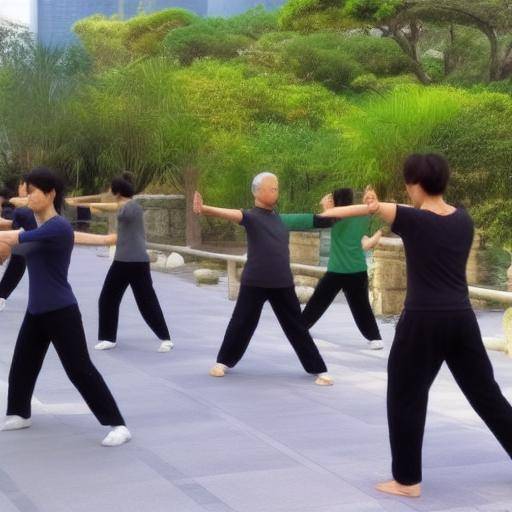
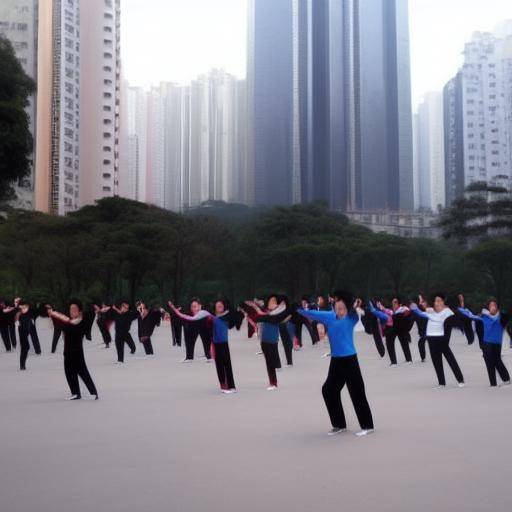
The Suzhou Gardens have left an imprint on Chinese history and culture, providing both natural beauty and a deep connection to inner peace. Throughout this article, we will explore the lasting impact of Suzhou's gardens on well-being and how these landscape masterpieces continue to inspire tranquility and harmony in modern life.
Introduction
The Suzhou Gardens, located in the beautiful province of Jiangsu, are a living testimony of Chinese art expertise and appreciation over the centuries. These exquisite gardens, dating from the Ming dynasty (sixteenth century), remain a wonderful example of the exquisite oriental sensitivity to nature and harmony. In this article, we will explore how the Suzhou Gardens have influenced the search for inner peace throughout history, and how their principles still apply to the contemporary world.
History and Background
The Suzhou Gardens, recognized as World Heritage by UNESCO, have their roots in ancient China. Its development dates back to more than 2,500 years and has been shaped by philosophical, aesthetic and cultural influences.
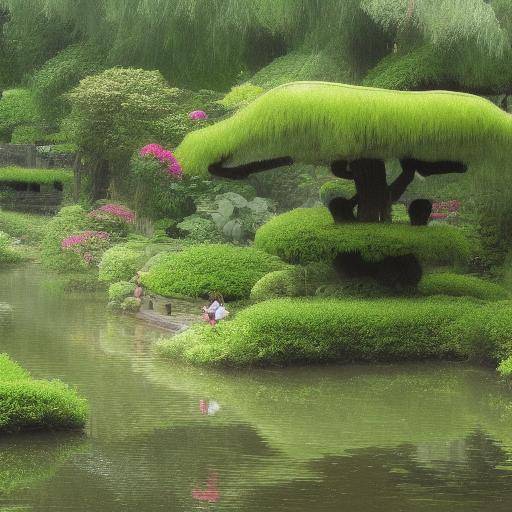
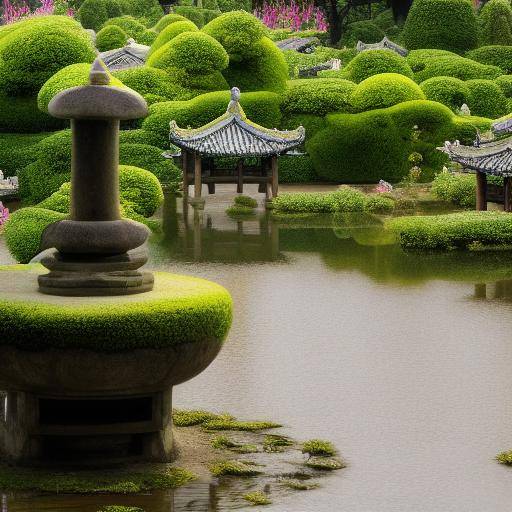
The key elements of the Suzhou Gardens, such as arched bridges, exposed pavilions and winding lakes, have remained unchanged over the centuries, demonstrating a perfect integration of natural and human forms.
Analysis in Deep
The connection between Suzhou gardens and well-being is evident. Various studies have shown that contemplation of natural beauty can induce states of calm and serenity, which positively influences mental and emotional health. This symbiosis between nature and inner peace comes to play a crucial role in the practice of meditation and mindfulness.
Comprehensive review
The Suzhou Gardens have not only impacted the way people perceive nature, but their influence transcends cultural boundaries. His focus on harmony and calm has been studied and admired around the world, influencing landscape architecture, urban planning and the design of public spaces.
Comparative analysis
When we compare Suzhou gardens with other garden styles, such as Japanese Zen gardens or European formal gardens, we can appreciate the differences in the interpretation of beauty and harmony. While Zen gardens focus on simplicity and contemplation, Suzhou gardens celebrate abundance and serenity in a lush environment.
Practical Tips and Accessible Recommendations
If you are looking to incorporate the philosophy of the Suzhou Gardens into your daily life, consider creating your own green space, even if it is small. Make the most of the natural light and choose plants that inspire you tranquility. Do not underestimate the transforming power of a small oasis in your home.
Perceptions of Industry and Expert Reviews
Experts on landscape architecture have not only praised the beauty of Suzhou's gardens, but also studied their principles to apply them in modern designs. In an increasingly stressful urban world, the integration of natural elements can be crucial to the well-being of society.
Case Studies and Real Life Applications
In Singapore, the Botanical Garden has been designed with influences from the Suzhou Gardens. This approach has had a positive impact on urban residents, providing a welcome breath of the city's hustle.
Future Trends and Predictions
As awareness of the importance of emotional and spiritual well-being continues to grow, the timeless principles of the Suzhou Gardens are expected to influence the design of urban spaces and the planning of more balanced communities.
Conclusions
The Suzhou Gardens, with their rich history and profound influence on well-being, continue to inspire current and future generations to seek inner peace through the contemplation of natural beauty and harmony. The connection between these gardens and well-being is undeniable, and their legacy will endure far beyond Suzhou's physical borders.
Frequently asked questions
What is the importance of the Suzhou Gardens in the Chinese cultural context?
The Suzhou Gardens not only represent an architectural landmark in Chinese history, but also encapsulate Chinese philosophy of harmony with nature and the search for inner peace, essential elements in Chinese cultural tradition.
What are the key principles that distinguish Suzhou gardens?
The Suzhou Gardens stand out for their harmonious integration of natural and artificial elements, their focus on the human scale and their ability to evoke emotions and reflections, making them an exemplary model of landscape design.
How have the Suzhou Gardens impacted on emotional and spiritual well-being?
The serene beauty and harmony of Suzhou's gardens have shown a reassuring effect on the mind and spirit of those who visit them, thus fostering emotional and spiritual well-being.
What can we learn from the Suzhou Gardens in the context of modern life?
The Suzhou Gardens teach us to appreciate natural beauty, to seek harmony in our environment and to find moments of peace in the midst of the daily hustle, especially valuable lessons in the modern world.
What is the relevance of Suzhou's gardens in mindfulness and meditation practices?
Suzhou Gardens offer an enabling environment for the practice of mindfulness and meditation, as their natural beauty and careful design invite contemplation and connection with oneself.
What is the legacy of the Suzhou Gardens in contemporary landscape architecture?
The legacy of the Suzhou Gardens is reflected in the careful design of urban green spaces and the inclusion of natural elements in built environments, demonstrating their lasting influence on contemporary landscape architecture.
With this comprehensive view of the Suzhou Gardens, its impact on well-being and its lasting legacy, it is evident that its influence transcends time and space, leaving an indelible mark on the inner peace of those who seek them.