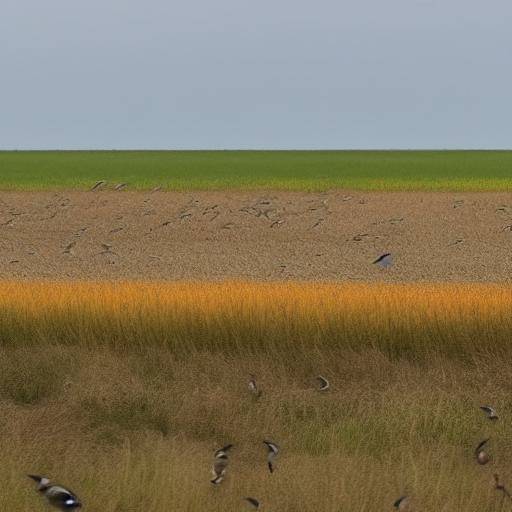
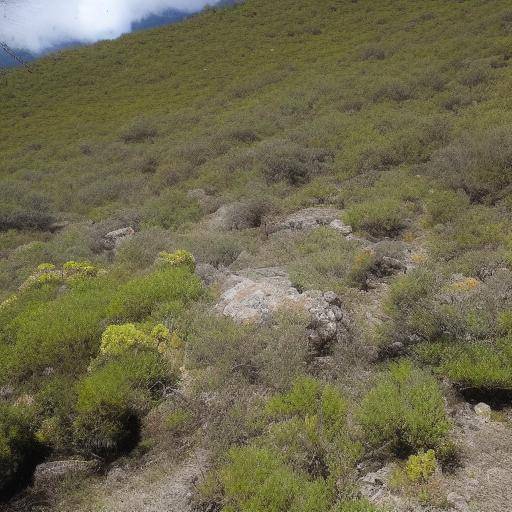
Yosemite is one of the most emblematic national parks in the United States, known for its impressive natural beauty and its diverse wildlife. In this guide, we will explore the iconic species that call home this majestic park, as well as its importance in the ecosystem. From the imposing brown bears to the agile land squirrels, we will discover the richness and beauty of the fauna that dwells in Yosemite.
Introduction to wildlife in Yosemite
Yosemite National Park, located in the state of California, is home to an impressive variety of wildlife species. Its vast forests, imposing mountains, winding rivers and majestic waterfalls serve as a sanctuary for a wide range of creatures, many of which are truly iconic.
In this guide, we will explore the most outstanding species that animate the landscape of Yosemite, from the majestic deer to the mysterious pumas. We will learn about the importance of conservation of these species and how their presence contributes to the beauty and balance of the Yosemite ecosystem.
History and Background
The Yosemite National Park has a rich and diverse history dating back to thousands of years, when Native American tribes considered this sacred territory. The introduction of the park as a protected area was a crucial milestone in the history of environmental conservation in the United States.
With President Theodore Roosevelt's visit in 1903, the park was driven towards official protection and preservation, setting a precedent for the conservation of vast natural areas throughout the country. Since then, Yosemite has been a symbol of natural beauty and an emblematic destination for outdoor lovers and nature enthusiasts.
Analysis in Deep
The preservation of wildlife in Yosemite is not only fundamental to maintaining the scenic beauty of the park, but also plays a crucial role in the overall health of the ecosystem. The interaction between different species, from birds of prey to small mammals, contributes to an ecological balance vital to the long-term sustainability of the region.
The conservation and protection of wildlife in Yosemite faces significant challenges, including the management of human interaction, protection against poaching and the preservation of natural habitats. Innovative strategies and collaborative approaches are key to ensuring that the iconic Yosemite species can thrive in their natural environment.
Full review
The presence of such a diverse variety of species in Yosemite provides scientists, conservationists and wildlife enthusiasts with a unique opportunity to study and understand the ecology of the park. Detailed studies on interactions between species, migration and patterns of behaviour are key to promoting the effective preservation of wildlife in the region.
In addition, the role of iconic species such as brown bear and deer mule in the identity and experience of Yosemite visitors highlights the importance of a balanced management that protects these species while allowing visitors to enjoy and appreciate their presence.
Comparative analysis
The diversity of wildlife in Yosemite is unique in its genre, offering an environment where typical species of multiple habitats coexist in an impressive landscape. Compared to the rich variety of species on land that thrive in the streams and rivers of the park, a complex and fascinating panorama of natural interrelations is revealed.
The unique adaptations of Yosemite fauna to survive in a varied environment provide valuable knowledge for biology and conservation studies worldwide. In addition, the presence of these emblematic species attracts nature lovers and contributes significantly to the positive economic impact of the park and surrounding communities.
Practical Tips and Accessible Tips
For those who wish to experience wildlife in Yosemite, it is crucial to follow ethical guidelines and responsible practices when interacting with local species. Respecting wildlife from a safe distance, keeping trails and natural areas clean, and complying with wildlife sighting regulations are effective ways to ensure the protection and well-being of species.
Industry Reflections and Expert Reviews
Wildlife in Yosemite is not only a natural treasure, but also an important scientific and educational resource. Current research on species ecology and behaviour provides valuable information that influences effective conservation and management strategies. In addition, the opinions of experts on ecology and wildlife play a vital role in guiding decision-making that impact the long-term protection of wildlife in Yosemite.
Case Studies and Real Life Applications
Through detailed case studies, we can see how wildlife populations in Yosemite have responded to conservation and management interventions. From efforts to restore degraded habitats to flagship species tracking programs, these cases illustrate how human action can positively influence the well-being of wildlife in the park.
Future Trends and Predictions
As wildlife conservation progresses in Yosemite, emerging trends show us exciting advances in species tracking and monitoring technologies, as well as innovative approaches to mitigating conflicts between wildlife and surrounding human communities. In addition, public awareness of the importance of preserving biodiversity and natural habitats is expected to continue to grow, promoting greater support for conservation initiatives in the park.
Conclusion
Wildlife in Yosemite plays a crucial role in the unique experience offered by this iconic national park. From the majestic predators to the delicate migratory birds, each species is a treasure that deserves protection and respect. By understanding and appreciating the richness of the fauna in Yosemite, we can work together to preserve this fragile balance and ensure that future generations can enjoy the natural wonder that is the Yosemite National Park.
Frequently asked questions
What are the most emblematic wildlife species in Yosemite?
Yosemite hosts an impressive variety of wildlife species, including the black bear, the brown bear, the deer mule, the puma, the coyote, the pilgrim falcon, the royal eagle and the terrestrial squirrel of the rocks, among many others.
What are the current challenges for wildlife conservation in Yosemite?
The challenges include managing human interaction with wildlife, protecting natural habitats, preserving biological corridors and mitigating conflicts between wildlife and surrounding human communities.
How can I observe wildlife ethically in Yosemite?
It is important to maintain a safe distance from wildlife, respect sighting regulations and avoid altering the natural behavior of species. Furthermore, keeping the trails clean and not leaving trash helps to preserve the natural environment.
What impact do iconic species have on the Yosemite ecosystem?
Ionic species play vital roles in the ecological balance of Yosemite, from population regulation to the influence on vegetation and the structure of the ecosystem.
What are some good practices to protect wildlife in Yosemite?
It is important to follow ethical guidelines by interacting with wildlife, such as not feeding animals, respecting their space and not disrupting their natural habitats. It is also essential to maintain clean natural areas and participate in conservation initiatives.
What is the role of wildlife in the experience of visitors in Yosemite?
The presence of wildlife adds a unique element to the experience of visitors in Yosemite, providing the opportunity to witness natural beauty in its most authentic form and to understand the interconnection between humans and the natural environment.
By exploring Yosemite's wildlife, a world of natural wonders is revealed that deserves to be protected and celebrated. With a focus on conservation, understanding and respect for the iconic species that call home this majestic park, we can ensure that wildlife in Yosemite continues to amaze and inspire the generations to come.