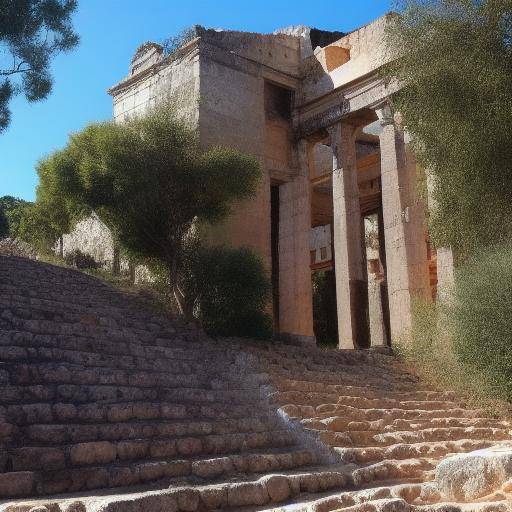
Roman engineering has left a lasting legacy in the history of humanity. Its innovative techniques and monumental structures continue to amaze current generations. From roads to aqueducts, Roman engineering has transformed the ancient world and laid the foundations for the development of modern architecture and engineering. In this article, we will explore the wonders of Roman engineering, its impact on architecture and history, as well as its relevance in the contemporary world.
Introduction
Roman engineering, with its grand constructions and advanced techniques, represents a milestone in the history of civilization. From the construction of imposing aqueducts to the planning of intricate road networks, the Roman engineers played a key role in the configuration of the ancient world. This article will be immersed in the wonders of Roman engineering, exploring its lasting legacy and its influence on architecture and history.
History and Background
Roman engineering dates back to the early days of the Roman Republic, when the need for robust infrastructure prompted innovation in construction. The development of advanced techniques, such as the barrel vault and the midpoint arch, allowed Roman engineers to create durable and aesthetically impressive structures. The expansion of the Roman Empire led with it the legacy of Roman engineering throughout and across Europe, Western Asia and North Africa, leaving a lasting impact on antiquity architecture and engineering.
Roman engineering reached its cénit during the period of the Empire, with the construction of monumental public works, including the Colosseum, the Pantheon and the Maximum Circus. These iconic structures were not only testaments to the technical skill of Roman engineers, but also manifestations of the power and grandeur of the Empire. The legacy of Roman engineering lasts until today, with numerous structures that have resisted the test of time.
Detailed Analysis
The impact of Roman engineering extends beyond its constructive achievements; its influence can be seen in urban planning, military development and water management. The Roman aqueducts, in particular, represent a triumph of hydraulic engineering and have served as inspiration for modern water supply systems. In addition, the Roman road network has laid the foundations for road infrastructure in Europe and has contributed significantly to trade and mobility in the ancient world.
The influence of Roman engineering on architecture is undeniable. Its innovative construction techniques, such as the use of concrete and the introduction of the dome, have been adopted and adapted by architects throughout history. The aesthetics and functionality of Roman structures continue to serve as inspiration for contemporary designers and builders.
Comprehensive review
In the field of civil engineering, the Roman heritage remains relevant today. The incorporation of design and construction principles from Roman engineering has contributed to the development of more durable and sustainable modern infrastructures. In addition, studying the techniques and approaches used by Roman engineers offers valuable lessons to address current challenges in engineering and architecture.
Comparative analysis
By comparing Roman engineering with other architectural traditions and in the context of history, significant similarities and contrasts are revealed. The influence of Roman engineering in later architecture, such as Gothic and Renaissance architecture, is evident. The ability of Roman engineers to create large structures and their focus on durability continues to serve as a model for contemporary architectural projects.
Practical Tips and Accessible Tips
While Roman engineering may seem a distant phenomenon in time, its underlying principles can still be applied in a practical way in modern projects. For example, the strategic use of durable materials, meticulous planning and attention to detail represent timeless lessons that can inform design and construction today.
Industry Perspectives and Expert Reviews
Experts in civil engineering and architecture recognize the lasting influence of Roman engineering in their respective fields. Their ability to overcome technical challenges and achieve outstanding results continues to inspire engineering professionals today. Furthermore, the adaptation of the principles of Roman engineering to contemporary needs demonstrates the continuing relevance of this historical tradition.
Case Studies and Real Life Applications
Case studies that illustrate the application of the principles of Roman engineering in modern projects offer valuable lessons on durability, efficiency and sustainability. From the restoration of old structures to the integration of Roman construction techniques into current architectural designs, these examples demonstrate the timeliness of the contributions of Roman engineering.
Future Trends and Predictions
As society seeks sustainable and durable solutions in the field of engineering and architecture, the influence of Roman engineering will remain relevant. The design and construction principles derived from this ancestral tradition are expected to play a key role in the pursuit of urban development and a more sustainable and resilient modern infrastructure.
Conclusions and FAQs
In short, Roman engineering represents a significant milestone in the history of architecture and engineering. Its lasting impact and the relevance of its principles today demonstrate the timeliness of its contributions. For those interested in further exploring this fascinating theme, the following are frequently asked questions that address key aspects of Roman engineering, architecture and history.
Frequently asked questions
What are some of the most remarkable structures built by Roman engineers?
Structures such as the Colosseum, the Segovia Aqueduct and the Alcántara Bridge are impressive examples of the skills of Roman engineers in the construction of monumental structures.
How did Roman engineering influence the later architecture?
Roman engineering established technical and aesthetic standards that influenced the later architecture, including the adoption of durable construction techniques and the incorporation of decorative elements.
What was the impact of Roman engineering on urban planning?
The network of Roman roads and the planning of cities like Rome exemplify the significant influence of Roman engineering in the configuration of functional and aesthetically pleasant urban environments.
What are some design and construction principles derived from Roman engineering that remain relevant today?
The use of durable materials, careful planning of infrastructure and consideration of aesthetic aspects are examples of principles that continue to inform contemporary architectural design and civil engineering.
What is the lasting legacy of Roman engineering in the way we address technical challenges today?
The ability of Roman engineers to overcome technical challenges with innovative solutions continues to be an inspiring model for modern engineering professionals by facing similar challenges in infrastructure projects and architectural design.
How has the application of the principles of Roman engineering evolved in contemporary engineering and architecture?
The adaptation of the principles of Roman engineering to current demands for sustainability, resilience and energy efficiency reflects an evolution in the way these principles are applied in modern projects.
With this, we have explored the wonders of Roman engineering, its connections to architecture and history, as well as its continuous impact on the contemporary world. Roman engineering endures as a testimony of human capacity to create, innovate and endure over time, leaving a lasting legacy that continues to inspire generations to come.