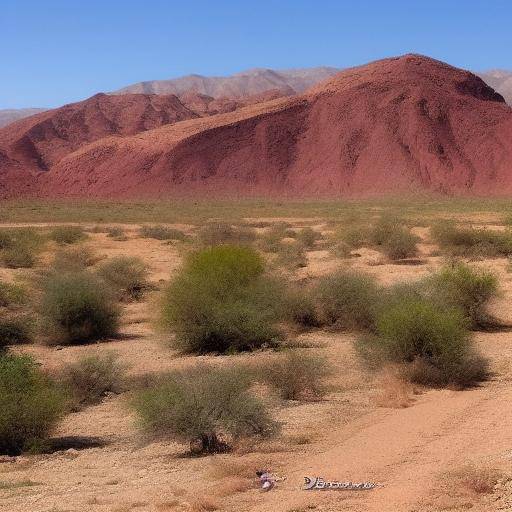
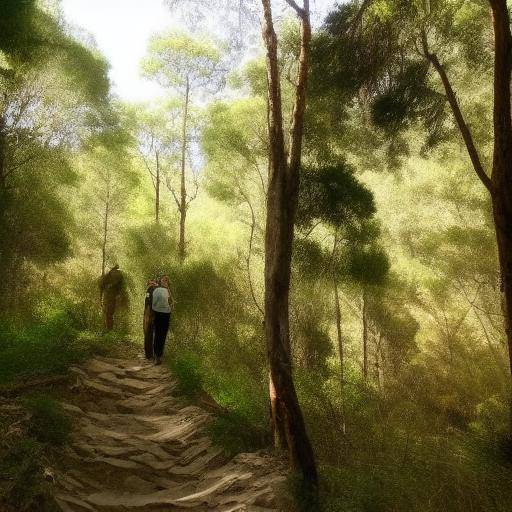
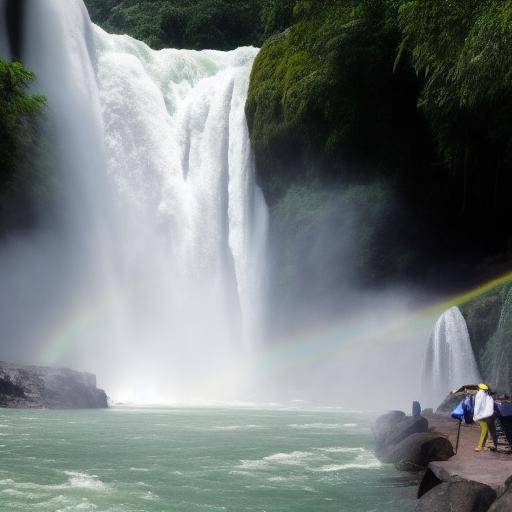
Torres del Paine National Park is one of the most impressive destinations in Chile, recognized by its majestic mountains, imposing glaciers and blue lakes. In addition to its amazing natural beauty, this park hosts an incredible diversity of wildlife that makes it a paradise for nature lovers and wildlife watching. In this article, we will explore the unique species that live in Torres del Paine, its ecological importance and how the conservation of wildlife is fundamental to the preservation of this magnificent ecosystem.
Introduction
Torres del Paine is known to host a wide variety of animal species, from huge herbivores such as guanaco to predators such as puma, making it a unique place for wildlife observation in its natural environment. In this article, you will immerse yourself in the wildlife of this spectacular park, discovering the importance of these species, the challenges they face and the conservation measures implemented to protect them.
History and Background
Torres del Paine National Park was created in 1959 and declared a Biosphere Reserve by UNESCO in 1978. Its history is closely linked to the conservation of wildlife, as the park has been a vital refuge for numerous endangered species. Since the introduction of protection measures to conservation efforts at present, the park has witnessed a significant increase in the diversity and abundance of fauna over the years.
Analysis in Deep
The conservation of wildlife in Torres del Paine presents unique challenges, from coexistence with human activities to the preservation of natural habitats. Conservation efforts have focused on the protection of emblematic species such as the Andean condor, huemul and puma, as well as the restoration of ecosystems damaged by human activity.
Comprehensive review
The integration of wildlife conservation with sustainable tourism has been critical in the development of strategies to protect fauna and nature in the park. The promotion of wildlife observation practices, together with environmental education programmes, has helped to raise awareness of the importance of preserving this fragile ecological balance.
Comparative analysis
The comparison of wildlife in Torres del Paine with other ecosystems in the world reveals the uniqueness and global importance of these species. The adaptation of fauna to the extreme conditions of Patagonia and its role in maintaining ecological balance underscore the need to protect these unique ecosystems in the world.
Practical Tips and Recommendations
If you plan to visit Torres del Paine, it is important to follow responsible behavior guidelines to minimize the impact on wildlife. Respecting wildlife observing standards, maintaining safe distances and properly collecting wastes are key actions to contribute to wildlife conservation during your visit.
Industry Information and Expert Reviews
We have consulted experts in wildlife conservation, who emphasize the importance of promoting harmonious coexistence between wildlife, local communities and visitors. Its perspectives offer a valuable insight into the challenges and opportunities for long-term conservation in Torres del Paine.
Case Studies and Practical Applications
We will analyze successful case studies that highlight the effectiveness of conservation strategies implemented in Torres del Paine. These cases will illustrate how the protection of wildlife in a unique natural environment can have a positive impact on global biodiversity conservation.
Trend and Future Predictions
Current trends indicate an increase in environmental awareness and demand for sustainable tourism in destinations such as Torres del Paine. Conservation strategies are expected to be further strengthened, with an approach to habitat restoration, human-animal conflict mitigation and the promotion of research initiatives to better understand the needs of wildlife in this unique environment.
Conclusion
In conclusion, wildlife in Torres del Paine is an invaluable treasure that deserves our protection and respect. From its history to the current challenges and conservation measures implemented, each aspect of wildlife in this park teaches us the importance of preserving and assessing biodiversity. As visitors and guardians of nature, it is our duty to contribute to the protection of these unique species for future generations.
Frequently asked questions
Why is wildlife in Torres del Paine so diverse?
The diversity of wildlife in Torres del Paine is due to the variety of ecosystems present in the park, ranging from underwater forests to Patagonian steppes, offering ideal habitats for a wide range of species.
What are the main threats to wildlife in Torres del Paine?
The main threats include habitat loss and fragmentation, poaching, invasive species-borne diseases and climate change, which affects the availability of food resources.
What conservation measures are being implemented in Torres del Paine?
Measures include the creation of biological corridors, the regulation of human activities, environmental education, population monitoring and collaboration with local communities to promote conservation.
What is the best time to watch wildlife in Torres del Paine?
Spring and summer (October to March) are ideal for observing wildlife, as many species are active during this period, and climate conditions are more favorable.
How can I contribute to wildlife conservation during my visit to Torres del Paine?
Respecting wildlife observing standards, following guidelines, avoiding waste, and supporting local conservation initiatives are ways to contribute positively to wildlife protection.
Are there volunteer programs related to wildlife conservation in Torres del Paine?
Yes, there are volunteer programs that enable participants to actively contribute to wildlife conservation, such as species monitoring, habitat restoration, and environmental education.
With these frequently answered questions, we hope to have provided an integral vision of wildlife in Torres del Paine and its importance for the conservation of nature. If you are planning to visit this magnificent park, we invite you to enjoy the beauty of your wildlife with awareness and respect for these unique beings.