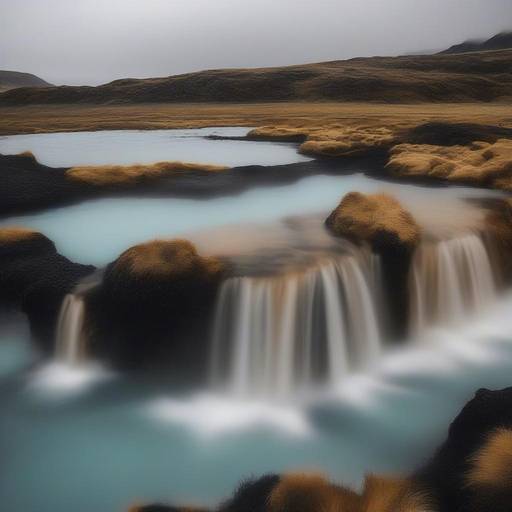
The Salar de Uyuni, located in Bolivia, is the largest salt flat in the world and one of the most impressive tourist destinations in South America. In addition to its stunning landscape, it hosts a unique biodiversity that awakens the curiosity of scientists, nature lovers and tourists alike. In this article, we will explore the amazing wildlife that lives in the Uyuni Salar, highlighting the unique species that have evolved to survive in this extreme and surprising environment.
History and background of the Uyuni Salar
The Salar de Uyuni, formed by the evaporation of prehistoric lakes, is the legacy of an ancient inner sea. Its unique geological formation and high altitude location make it an exceptional ecosystem that hosts a surprising diversity of life, despite harsh weather conditions. This vast salt desert is home to several species adapted to water shortages and intense solar radiation.
The fauna of the Salar de Uyuni
Flamingos andinas
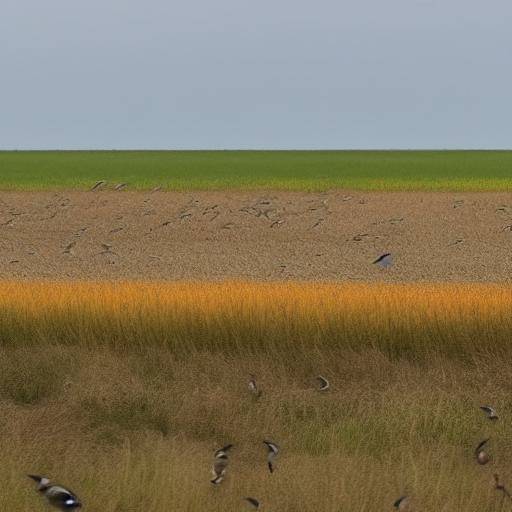
One of the most emblematic species that call the Salar de Uyuni his home is Andean flamenco. These majestic birds are known for their distinctive pink plumage and their graceful way of fishing in the shallow waters of the salt flat. They are a must-have attraction for birdwatchers and wildlife photographers visiting the region.
Vizcachas
Another unique species found in the Salar de Uyuni is the vizcacha, a rodent of appearance similar to a rabbit. These curious animals are fit to life in the saline plains, using their acute agility and senses to move and survive in a challenging environment.
Unique flower
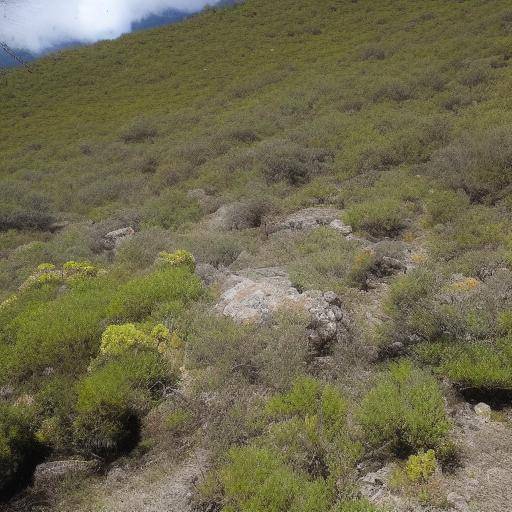
Wildlife in the Uyuni Salar is not limited to animals; it also includes a surprising diversity of plants adapted to extreme salinity. Among the most remarkable species are the salt crusts and the giant cactus, which cling to life on an apparently inhospitable soil.
Challenges and conservation
Despite its natural beauty, wildlife in the Uyuni Salar faces significant challenges, including human interference, alteration of the ecosystem and climate change. Conservation and sustainability efforts are key to protecting these unique species and their habitat from potential threats.
Conclusion
The Salar de Uyuni is much more than an impressive landscape; it is an exceptional wildlife sanctuary that challenges expectations and offers fascinating perspectives on the ability of nature to adapt and thrive in extreme environments. By exploring the fauna and nature in this vast salt desert, visitors can marvel at the amazing adaptations of the species that call this place their home.
Frequently asked questions
1. What is the best time to observe wildlife in the Uyuni Salar?
The dry season, from May to October, is ideal for wildlife observation in the Salar de Uyuni.
2. What measures are being taken to preserve wildlife in the Uyuni Salar?
Conservation and sustainability programmes are being implemented to protect wildlife and its habitat in the Uyuni Salar.
3. Can wildlife habitats be visited responsibly in the Uyuni Salar?
Yes, guided tours are offered that allow visitors to enjoy wildlife in a responsible and sustainable way.
4. What are the biggest threats to wildlife in the Uyuni Salar?
The alteration of habitat, human interference and climate change are considered the main threats to wildlife in the Uyuni Salar.
5. What kind of bird sightings are common in the Uyuni Salar?
In addition to Andean flamingos, other birds such as ñandú, Andean seagull and large parina can be seen, among other unique species.
6. What is the impact of tourism on the wildlife of the Uyuni Salar?
Tourism can have a significant impact on wildlife, so it is crucial to adopt responsible tourist practices to minimize any disturbance to the species that live in the salt flat.
In short, wildlife in the Uyuni Salar is a testimony to the ability of nature to flourish in extreme conditions. From the iconic Andean flamencos to the plants adapted to salinity, this unique ecosystem reminds us of the extraordinary diversity and adaptability of life on Earth.