Plitvice National Park, located in Croatia, is known for its incredible natural beauty and varied wildlife. Join us to explore the rich fauna and lush nature of this magnificent place, discovering the unique species that inhabit it and the importance of its conservation.
Introduction to Plitvice National Park
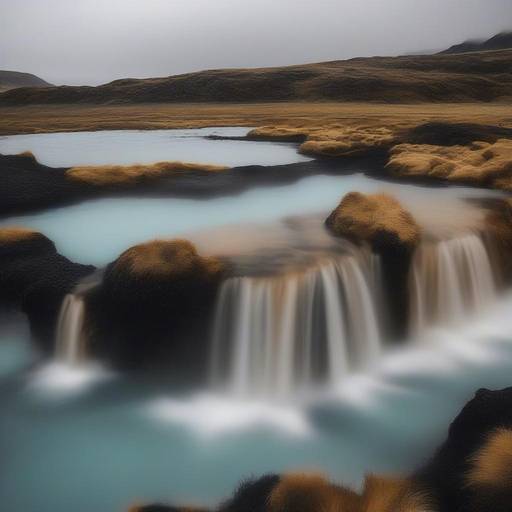
Declared a World Heritage Site by UNESCO, Plitvice National Park is a natural treasure consisting of 16 interconnected lakes and a series of stunning waterfalls. This picturesque environment houses a variety of ecosystems, providing prosperous habitats for a wide range of flora and fauna species.
The purpose of this article is to immerse ourselves in the unique wildlife found in the Plitvice National Park, highlighting the most emblematic species and the fascinating behaviors that characterize them. In addition, we will explore conservation efforts to protect this extraordinary ecosystem.
History and background
The Plitvice National Park has a rich history dating back centuries, being a place of cultural and natural importance. From his humble beginnings to his designation as a national park in 1949, Plitvice has witnessed countless changes over time. Conservation and restoration efforts have been instrumental in ensuring the preservation of their unique biodiversity.
Diversity of fauna in Plitvice
Wildlife in Plitvice National Park is notable for its diversity and abundance. From majestic deer to tiny butterflies, the Plitvice ecosystem hosts an amazing variety of species. Among the most outstanding inhabitants are the bears, wolves, lynxes, otters and real eagles, which play crucial roles in the ecological balance of the region.
Conclusion and FAQs
Conclusion
In short, the Plitvice National Park is a natural treasure that houses an immense diversity of wildlife. The conservation of this ecosystem is essential to ensure the survival of species and maintain the natural beauty of the park for future generations. We invite everyone to visit this wonderful place and commit to its preservation.
FAQ (FAQs)
1. What is the best time to visit Plitvice National Park?
Spring and autumn are often considered the optimal moments to visit Plitvice, as the weather is pleasant and the flora is in its splendor.
2. What wildlife observation activities are available in Plitvice National Park?
Visitors can enjoy guided tours to spot birds, observe animal tracks and learn about local fauna.
3. What are the threats to wildlife in Plitvice National Park?
The main threats include habitat loss, poaching and fragmentation of the territory due to human activity.
4. Are there active conservation measures in the Plitvice National Park?
Yes, the park implements species monitoring programs, habitat restoration and environmental education to protect wildlife.
5. Can wild bears be observed in the Plitvice National Park?
Yes, the park offers the possibility of sighting bears in its natural habitat, although it is a regulated activity to ensure the safety of visitors and the protection of animals.
6. What is the best way to contribute to the conservation of Plitvice National Park?
Supporting established conservation measures, respecting park rules, and educating yourself on the importance of preserving wildlife are effective ways of contributing to their long-term conservation.
By combining historical information, current data and expert opinions, we can get a holistic view of wildlife in the Plitvice National Park, as well as understand the importance of its conservation and protection.
In short, the Plitvice National Park is an exceptionally rich refuge in biodiversity, where the interaction between nature and wildlife creates an impressive balance. The preservation of this natural treasure is essential for present and future generations, and we all have a role to play in their protection.
Frequently asked questions (FAQs)
1. What is the best time to visit Plitvice National Park?
The best time to visit Plitvice National Park is in spring, when nature wakes up with lush vegetation and waterfalls revitalized by rains or at the end of the summer, when the golden light of the evening provides a magical atmosphere. In these seasons, wildlife is active, and crowds are usually less dense than in the summer apogee.
2. What species of fauna can be seen in the Plitvice National Park?
Among the species of fauna that live in the Plitvice National Park are bears, wolves, linces, otters, birds of prey, amphibians and a wide variety of fish. Waterfalls and lakes provide suitable habitats for numerous animal species, making Plitvice an ideal place for wildlife observation.
3. What are the main threats to wildlife in Plitvice National Park?
The main threats to wildlife in Plitvice National Park include habitat loss due to urbanization and expansion of agriculture, as well as poaching and climate change. These pressures can negatively impact local species, making conservation a crucial priority.
4. What measures are being taken to protect wildlife in Plitvice National Park?
Plitvice National Park implements conservation programs that include species monitoring, critical habitat preservation, environmental education and sustainable visitor management. These activities aim to safeguard the biodiversity of the park and promote harmonious coexistence between humans and wildlife.
5. Are wildlife sighting activities permitted in Plitvice National Park?
Yes, the park offers opportunities for wildlife sighting responsibly. Visitors can participate in guided tours that allow them to observe wildlife in their natural environment, always respecting regulations to ensure the preservation of species and their habitat.
6. How can I support wildlife conservation in Plitvice National Park?
In addition to following the park's rules and showing respect for nature, visitors can contribute to wildlife conservation in the Plitvice National Park by participating in volunteer activities, donating to conservation programs and disseminating knowledge about the importance of protecting this valuable ecosystem.
In this article, we have explored the diverse wildlife of the Plitvice National Park, emphasizing its ecological importance and its value as a natural heritage. It is our duty to preserve these unique environments, so that both flora and fauna continue to thrive in this wonderful corner of the world.