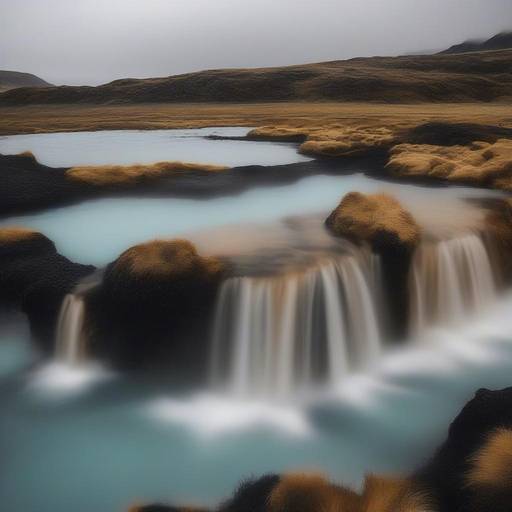
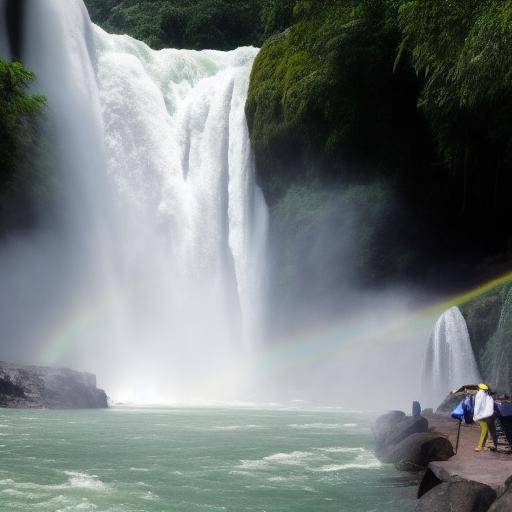
The Rhine Falls are one of the most impressive natural destinations in Europe, attracting visitors from all over the world with their majesty and beauty. However, beyond the impressive waterfall, the natural environment surrounding the falls hosts an incredible diversity of flora and fauna. In this article, we will explore in detail the rich wildlife that thrives in this wonderful natural enclave. From the majestic trees to animal species that call home to this environment, we will know the unique biodiversity that lies around the Rhine Falls and its importance to the local ecosystem.
Introduction
The Rhine Falls, located in the Schaffhausen region, Switzerland, are a natural wonder of immense historical and environmental importance. The environment surrounding these cataracts offers a diverse habitat for numerous species of flora and fauna. In this article, we will explore the rich biodiversity that lies in the proximity of the cataracts, from lush forests to the various aquatic ecosystems that support an incredible variety of wildlife.
History and Background
The Rhine Falls have played a crucial role in the history and culture of the region. With a history dating back thousands of years, these cataracts have witnessed historical events and inspired generations with their imposing beauty. Moreover, the surrounding natural environment has been fundamental in the development of myths, legends and cultural practices in the surrounding region.
Deep analysis
Cataracts and their natural environment present a number of challenges and opportunities in the conservation of biodiversity. The interaction between wildlife and the human environment has generated numerous studies and research focusing on the preservation of this unique ecosystem. We will analyze how the presence of cataracts has influenced the surrounding flora and fauna, as well as the conservation efforts being made to protect this vital environment.
Comprehensive review
Within the lands surrounding the Rhine Falls, there are several areas where wildlife flourishes in its maximum splendour. From lush forests to natural reserves, understanding of these different areas is crucial for the preservation of biodiversity. We will explore in detail every area, from its ecological importance to the emblematic species that inhabit it.
Comparative analysis
We will compare the species of flora and fauna found in the environment of the cataracts, highlighting both the similarities and the differences in the biodiversity of these regions. This comparison will help us to better understand the variety of ecosystems that coexist in this natural space, contributing to enrich our perception of the relevance of its conservation.
Practical Tips and Accessible Recommendations
We will provide valuable tips to enjoy wildlife around the Rhine Falls, including recommendations on sustainable activities that allow visitors to experience nature responsibly and respectfully.
Industry Perspectives and Expert Reviews
We will gather opinions from experts on conservation, biology and sustainable tourism, who will share their ideas on the importance of protecting the natural environment of the Rhine Falls and the challenges facing the preservation of this unique ecosystem.
Case Studies and Practical Applications
Through case studies, we will discover how biodiversity around cataracts has inspired conservation and eco-friendly tourism efforts. With current examples, we will explore the positive influence these practices have on the protection and responsible enjoyment of wildlife.
Future Trends and Predictions
Finally, we will enter into future trends related to wildlife around the Rhine Falls. Based on current data and expert projections, we will explore possible developments and environmental challenges that could affect the biodiversity of this region in the future.
Conclusion
In short, the Rhine Falls not only represent an impressive natural wonder, but also host a wealth of flora and fauna that deserves to be protected and admired. Wild life around cataracts awakens a sense of connection with nature and reminds us of the importance of preserving these ecosystems for future generations.
FAQs
1. What kind of fauna can be found in the vicinity of the Rhine Falls?
In the vicinity of the cataracts it is possible to see a variety of fauna that includes birds, mammals such as deer and foxes, as well as aquatic species such as trouts and otters.
2. How do cataracts influence the surrounding flora?
The cataracts generate a particular microclimate that affects the surrounding vegetation, favoring the growth of species adapted to the humidity and force of the water.
3. What steps are being taken to protect wildlife in this region?
Conservation, habitat restoration and environmental education programmes are being implemented to protect biodiversity around cataracts.
4. What is the best time to observe wildlife near the falls?
Spring and summer are usually the ideal seasons to observe a greater activity of wildlife and enjoy nature in its maximum splendour.
5. What are the main threats to wildlife around cataracts?
The loss of habitat, pollution and human disturbances are the main threats facing wildlife in this region.
6. Is there any special regulations to visit and enjoy wildlife in this area?
Yes, there are regulations to ensure a responsible visit, including banning wildlife and the obligation to respect natural ecosystems.
We hope that this article has provided a deeper understanding of the biodiversity surrounding the Rhine Falls, reminding us of the importance of preserving and appreciating wildlife in this exceptional environment.