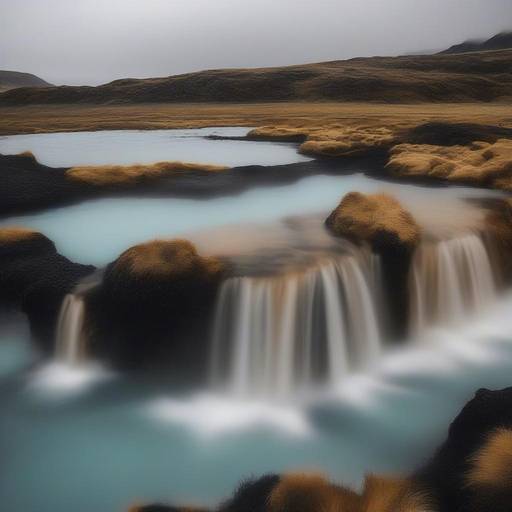
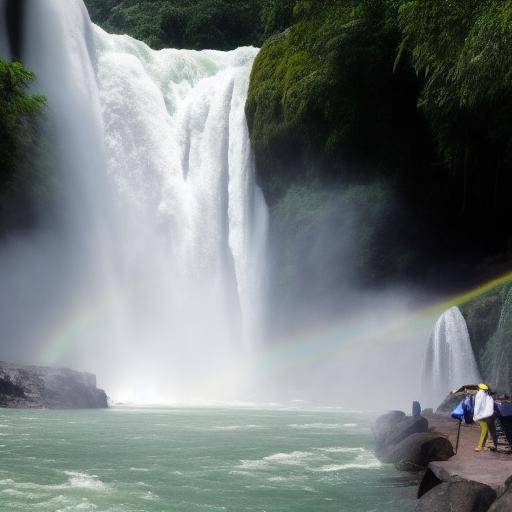
The geiseres of Rotorua, known for its spectacular natural beauty, are a refuge for a unique variety of flora and fauna. In this article, we will explore the rich biodiversity that dwells around these geiseres, from the lush plants to the fascinating creatures that call this environment their home. Throughout this journey, we will discover the history, evolution and impact of the geiseres of Rotorua in wildlife, as well as practical advice, case studies and future visions. Get ready to immerse yourself in the wonderful nature of the geiseres of Rotorua!
Introduction
The geiseres of Rotorua are known for their impressive eruptions of water and steam, but this natural environment also hosts a great diversity of flora and fauna. This article will explore the fascinating interaction between the geiseres and the wildlife around them, providing a detailed view of this unique ecosystem.
History and Background
The geiseres of Rotorua, located in New Zealand, have been an attraction point for tourists and scientists for a long time. The first written record of geiseres dates from [relevant historical fact], when [relevant configuration] documented their impressions about this natural phenomenon. Since then, geiseres have been a field of study for biologists, geologists and botanists, who seek to understand how nature has prospered in this unique geothermal environment.
Detailed Analysis
The biodiversity surrounding the geiseres of Rotorua is amazing. From arborescent ferns to native orchids, the flora of the area is exceptionally diverse. In addition, the animal life that lives in this environment is equally impressive. Aquatic birds, such as the mallard duck, as well as singular reptiles such as the tuatara can be observed. The interaction between plants and animals in this extreme environment has been a subject of study for biologists and ecologists, who seek to understand how wildlife has evolved around geiseres.
Exhaustive examination
Within this context, it is crucial to examine the interaction between the geiseres of Rotorua, flora and fauna. The ability to adapt plants and animals to this unique environment offers us valuable lessons on the resilience of wildlife to extreme conditions. It is also important to consider the threats facing this biodiversity, such as human impact and climate change. This analysis provides a holistic view of the importance of preserving this ecosystem for future generations.
Comparative analysis
Compare the geiseres of Rotorua with other geothermal environments provides a broad perspective of the similarities and differences in wildlife that inhabits these ecosystems. For example, by contrasting the flora and fauna of the geiseres of Rotorua with the geysers of Yellowstone in the United States, we can learn about evolutionary convergence and geographical influences on biodiversity.
Practical Tips and Recommendations
For nature lovers who want to explore the geiseres of Rotorua, it is essential to respect the environment and follow the conservation guidelines. When visiting this area, it is essential to stay on the designated paths and not disturb wildlife. In addition, supporting local conservation organizations is an effective way of contributing to the preservation of this fragile ecosystem.
Conclusions
The majestic environment of the geiseres of Rotorua hosts exceptional biodiversity that deserves to be preserved. This wonderful interaction between nature and the geothermal environment offers a unique window to understand how wildlife adapts and thrives in extreme conditions. By taking measures to protect and conserve natural stewardship, we can ensure that future generations can also delight with the beauty and richness of the flora and fauna that dwells around the geiseres of Rotorua.
Frequently asked questions
What is the importance of wildlife in the geiseres of Rotorua?
Wild life in the geiseres of Rotorua is of paramount importance, as it offers an extraordinary example of the ability to adapt species to extreme conditions. In addition, this biodiversity contributes to the equilibrium and dynamics of the ecosystem, providing multiple ecological benefits.
What conservation measures are being taken to protect wildlife around the geiseres of Rotorua?
Several government organizations and entities are implementing conservation strategies to protect wildlife in the area of the geiseres of Rotorua. These measures include the creation of protected areas, environmental education programmes and monitoring of vulnerable species.
How can I observe wildlife responsibly in the geiseres of Rotorua?
To observe wildlife responsibly in the geiseres of Rotorua, it is essential to respect the established rules and regulations. Keeping a safe distance from wildlife, not disturbing your environment and avoiding waste are key practices for responsible observation.
What are some emblematic species of wildlife that can be found in the geiseres of Rotorua?
Among the emblematic species of wildlife in the geiseres of Rotorua are the kiwi, the Huon tree, the dendrobium orchid and the endemic galaxiid fish.
How has geothermal activity influenced the evolution of wildlife in the geiseres of Rotorua?
Geothermal activity has played a decisive role in the evolution of wildlife in the geiseres of Rotorua, serving as the engine of diversity and adaptation of species to extreme environments.
What opportunities does the wildlife of the geiseres of Rotorua offer for scientific research?
The wildlife of the geiseres of Rotorua provides unique opportunities for scientific research, such as the study of species adaptation, ecosystem dynamics and responses to climate change.
In short, the wildlife surrounding the geiseres of Rotorua is a natural treasure that deserves protection and admiration. Their unique diversity and ability to prosper in a challenging geothermal environment are living testimonies of the wonder of nature. In understanding, respecting and preserving this ecosystem, we can ensure that it will continue to be a sanctuary for flora and fauna, inspiring present and future generations.