Niagara Falls, one of the most impressive natural destinations in the world, are not only known for its magnificent waterfall, but also for being a diverse ecosystem and home to a rich variety of flora and fauna. In this article, we will explore in detail the wildlife surrounding the Niagara Falls, from the lush flora to the fascinating animal species that inhabit this majestic region. Join us on a journey through natural beauty and biodiversity that defines this emblematic place.
Introduction
Niagara Falls, located on the U.S.-Canada border, are a striking testimony to the power and beauty of nature. Beyond its impressive appearance, these cataracts host a unique ecosystem that has been the object of fascination and study for centuries. In this article, we will immerse ourselves in the natural world that surrounds the cataracts, exploring the diverse flora and the exciting fauna that find their home in this unique environment.
History and Background
Niagara Falls have been a natural and historical reference point for centuries. Its relevance has been fundamental in the development of the region and its impact on the environment is undeniable.
The historical record shows that the cataracts played a crucial role in the economic development of the region, attracting travelers and traders from time immemorial. The cataracts have also been a recurrent theme in culture and literature, being the scene of numerous legends and stories.
Analysis in Deep
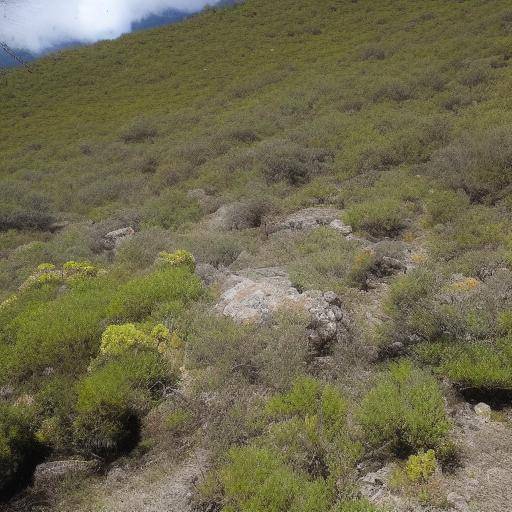
The influence of the cataracts on the surrounding flora is remarkable. The humidity generated by its immense waterfall, along with the presence of numerous rivers and streams, has created an ideal habitat for a wide variety of plants and trees.
In terms of fauna, Niagara Falls host an astonishing biodiversity. From migratory birds to fish and land mammals, this environment provides a vital livelihood for many species. Among the most prominent animals are the beavers, the fishermen eagles and the royal herons, who find refuge and food in the waters surrounding the falls.
Comprehensive review
The impact of Niagara Falls on wildlife is not only local. Its influence extends along the Niagara River and its mouth in Lake Ontario, playing a crucial role in the ecological balance of the entire region.
By observing the interaction between flora and fauna in this ecosystem, it becomes evident the complex network of relationships that defines life in this area. Changes in the course of the river or in the surrounding vegetation can have significant impacts on animal populations, highlighting the importance of preserving this unique ecosystem.
Comparative analysis
By comparing the flora and fauna of Niagara Falls with other natural environments, the uniqueness of this ecosystem is evident. The combination of a monumental waterfall, a flowing river and extensive forests creates a unique scenario that sustains unmatched biodiversity.
Practical Tips and Accessible Recommendations
If you are planning to visit Niagara Falls and explore your wildlife, here are some practical tips that can enrich your experience:
- Explore the natural paths bordering the Niagara River to observe the flora and fauna in its natural environment.
- Consider a boat tour near the falls to get a close view of its stunning surroundings.
- Be sure to respect conservation regulations and environmental protection regulations during your visit.
Conclusion
Niagara Falls are much more than a natural phenomenon: they are a vital ecosystem that hosts an amazing diversity of flora and fauna. From the majestic flight of eagles to the quiet work of the beavers, every creature and plant that dwells in this environment awakes a sense of wonder and admiration for the grandeur of nature. We hope that this article has provided an enriching perspective on wildlife that thrives around Niagara Falls, and that it inspires future visitors to appreciate and preserve this extraordinary natural sanctuary.
Frequently asked questions
What kind of flora can be found around Niagara Falls?
The flora around Niagara Falls is diverse and exuberant, including species such as maple, oak, birch and acebo, among others. Moisture and microclimate generated by cataracts provide an enabling environment for the growth of a wide variety of plants and trees.
What are some of the bird species that inhabit near Niagara Falls?
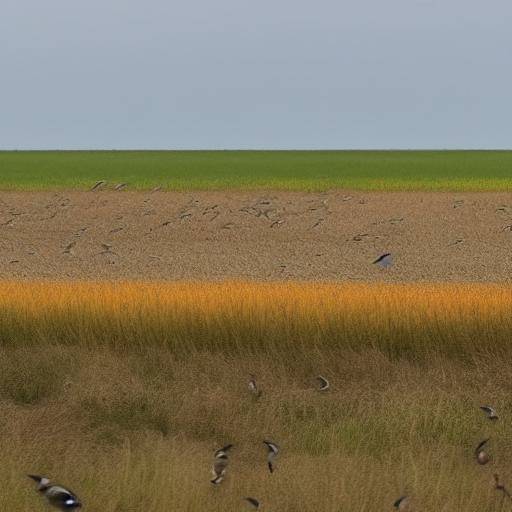
Among the birds that usually inhabit the vicinity of the cataracts are the fish eagles, the real claws, the wild ducks and various species of singing birds. These birds find in the surrounding environment a habitat rich in food resources and shelter.
What types of aquatic mammals can be seen near Niagara Falls?
The aquatic mammals like beavers are common in the rivers and streams surrounding the Niagara Falls. It is also possible to spot nutrients, although their presence has decreased in recent years due to habitat loss.
What is the ecological importance of Niagara Falls?
Niagara Falls are not only an impressive natural spectacle, but also play a crucial role in maintaining the ecological balance of the region. Its presence influences the flow of nutrients, the habitat of aquatic life and the general biodiversity of the area.
How can you explore wildlife around Niagara Falls in a sustainable way?
To explore wildlife in a sustainable way, it is important to stay on the designated paths and respect conservation rules. Avoid disrupting wildlife and maintain a safe distance by observing animals in their natural habitat.
What are some conservation initiatives related to Niagara Falls?
Various government entities, conservation organizations and community groups have undertaken conservation initiatives in the Niagara Falls region, including habitat restoration programmes, risk monitoring of species and environmental education for the public.
With these tips and answers to common questions, we hope that visitors and nature enthusiasts can gain a deeper understanding and appreciation for wildlife that thrives around Niagara Falls.