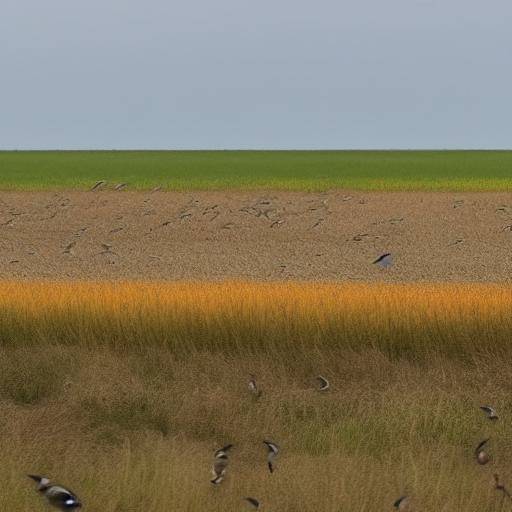
The Masai Mara, a wildlife reserve located in Kenya, is known to host a great diversity of fauna and be one of the most impressive destinations for nature lovers. Beyond the majestic lions that dominate this territory, the Masai Mara offers a unique experience in exploring its rich biodiversity. In this article, we will explore in depth the fauna, the Masai Mara and the natural beauty that surrounds it, providing detailed information, practical advice and expert perspectives.
Introduction
With its extensive landscape of endless plains, the Masai Mara is home to a great variety of wildlife, from the "big five" to exotic birds. Every year, millions of animals migrate through this reserve in search of fresh pastures, creating one of the most impressive shows of nature. Here, wildlife flourishes in its purest form, offering visitors the opportunity to witness scenes of nature in its most primitive state.
History and Background
The Masai Mara, named after the Masai people and the Mara River crossing the reserve, has been inhabited by generations of African tribes who have coexisted with wildlife. His story goes back centuries, when these lands were hunting territories for the Masai warriors. Over time, the need to preserve this unique ecosystem led to the creation of the reserve in 1961. Since then, the Masai Mara has been a beacon of conservation and protection of wildlife in Africa.
Analysis in Deep
The management of the reserve, the conservation challenges, the impact of tourism and the interaction with local communities are crucial aspects that define the present and future of the Masai Mara. In addition, commitment to sustainable conservation and the preservation of biodiversity has become a central theme in reserve management.
Comprehensive review
The conservation of the fauna in the Masai Mara is fundamental to its ecosystem in general. The balance between predators and dams, annual migration and the influence of climate change are factors that must be considered comprehensively to ensure the long-term protection of this magnificent reserve.
Comparative analysis
Compared to other wildlife reserves, the Masai Mara stands out for its unique landscape and its migratory patterns. The close interaction with fauna and flora offers an unforgettable experience of nature in its purest form.
Practical Tips and Accessible Tips
For travelers who want to explore the Masai Mara, it is crucial to follow responsible behavior guidelines in the reserve. Respecting wildlife and following the indications of local guides are important aspects to take into account to ensure a safe and enriching experience.
Industry and Expert Reviews
The conservation and wildlife experts offer valuable insights on booking management such as the Masai Mara. Their expertise shed light on the challenges and opportunities facing this unique ecosystem.
Case Studies and Real Life Applications
Case studies highlighting conservation efforts and community initiatives show how Masai Mara positively impacts people's lives and the preservation of the environment.
Future Trends and Predictions
As sustainable tourism and conservation become more relevant globally, a promising future for the Masai Mara is visible. Trends point to greater environmental awareness and a boost to the conservation of wildlife.
Conclusions
The Masai Mara is much more than just a wildlife reserve. It is a testimony of the majesty of nature and a reminder of the importance of preserving it for future generations. By exploring the fauna, the Masai Mara and its natural environment, visitors can experience the beauty and diversity of wildlife in its purest form.
Frequently asked questions
1. What is the best time to visit the Masai Mara?
The best time to visit the Masai Mara is during the annual migration, which occurs between July and October. During this period, you can witness stunning scenes of wildlife, including the Mara River crossing by the luus and zebras.
2. What animals can be seen in the Masai Mara besides lions?
In addition to lions, the Masai Mara hosts a wide variety of animals, including elephants, giraffes, buffaloes, leopards, rhinoceros, hippos, crocodiles, luus, zebras and a great diversity of birds.
3. What is the impact of tourism in the Masai Mara?
Tourism has a significant impact on the Masai Mara, as it contributes to the economic development of the region, but it also poses challenges in terms of conservation and preservation of the ecosystem. It is crucial to manage tourism in a sustainable way to ensure the long-term protection of the reserve.
4. How do local communities contribute to the conservation of Masai Mara?
Local communities play a key role in the conservation of Masai Mara through ecotourism projects, wildlife conservation initiatives and educational programs that promote harmonious coexistence between people and nature.
5. What are the current challenges facing the Masai Mara in terms of conservation?
The Masai Mara faces challenges such as habitat loss, conflictivity between wildlife and local communities, poaching and tourism pressure. Overcoming these challenges requires a holistic approach that encompasses the conservation, sustainability and involvement of local communities.
6. What measures are being taken to protect the Masai Mara from current threats?
Measures such as the creation of wildlife corridors, the strengthening of controls against poaching, the promotion of sustainable tourism practices and the active participation of local communities in conservation programs to protect the Masai Mara from current threats are being implemented.
In short, the wildlife in the Masai Mara transcends the iconic image of lions, giving visitors the opportunity to immerse themselves in a unique ecosystem and witness the beauty and diversity of nature in its maximum expression. With its rich fauna, its fascinating history and its current challenges, the Masai Mara represents a living witness to the magnificent nature and importance of its protection.
Be sure to use this article to provide valuable information and enriching perspectives on fauna, the Masai Mara and nature in general. Good luck with your content!