Introduction
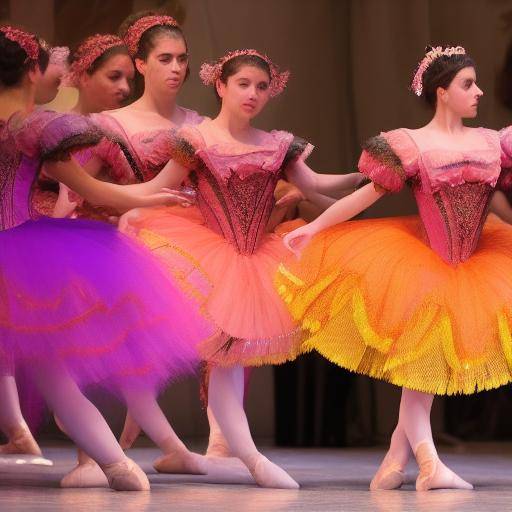
The Edinburgh Festival is an international renowned cultural event that celebrates a wide range of artistic expressions, from theatre and dance to music and visual exhibitions. In this article, we will explore the most outstanding performances and exhibitions of this prestigious festival. From its fascinating history and background to current trends and forecasts for the future, we will discover the wealth of art and the exhibitions that this event offers. Join us on this journey through the vibrant Edinburgh Festival world!
History and Background
The Edinburgh Festival, which began in 1947, has emerged as one of the most important cultural festivals in the world. In its origin, the festival had as its main objective to provide a showcase of joy and revitalization in the post-war period. Since then, it has evolved to include a variety of artistic disciplines, merging the traditional with the contemporary.
One of the performances that has left an imprint in the history of the Edinburgh Festival is the opera production of the composer Igor Stravinsky, which was presented under the direction of Sir Rudolf Bing in 1952. This memorable event marked a milestone in the history of contemporary operatic presentations and consolidated the reputation of the festival in the international arena.
The exhibition of contemporary art at the festival has also been a fundamental component since its inception. It provides a window to the world of contemporary art, offering a platform for artists to present their innovative and provocative work.
Analysis in Deep
The Edinburgh Festival has become a global showcase for diversity and artistic creativity. It has also influenced the development of the cultural industry, promoting the dissemination of pioneering works and challenging the conventional limits of art. The event is not only a celebration of artistic excellence, but also serves as a convergence space for artists and industry professionals.
The art exhibition at the Edinburgh Festival is a crucible of creativity, where the works challenge the established conventions and address relevant topics in an impressive and reflective way. This uniqueness has helped to consolidate the reputation of the festival as a benchmark for contemporary art lovers around the world.
In terms of exhibitions, the festival has highlighted the promotion of emerging artists and the creation of an inclusive space for the various artistic expressions. This has led to a growing diversity of styles and themes, thus enriching the experience of those who visit the exhibitions.
Comprehensive review
The Edinburgh Festival has proven to be an incubator of innovation and a reflection of the changing trends in the world of art and exhibitions. The fusion of the traditional with the contemporary has been a hallmark of the festival, generating a dynamic that has contributed to its perennial attractiveness and vitality.
In the field of exhibitions, the festival has sought to establish bridges between artists from different backgrounds and experiences, thus promoting collaboration and the exchange of ideas. This is reflected in the variety of exhibitions ranging from sculpture to multimedia facilities, which offers visitors a multi-sensory and enriching experience.
Comparative analysis
By comparing the Edinburgh Festival with other renowned cultural events, it highlights its ability to accommodate bold and avant-garde artistic expressions. This distinction is evident in the exhibitions that challenge conventional expectations and explore themes of contemporary relevance in a provocative and moving way.
The festival stands out for its diversity, not only in terms of the artistic disciplines presented, but also in its inclusive approach that accommodates artists and spectators from different backgrounds. These features make it a benchmark in the field of art performances and exhibitions globally, consolidating its reputation as a visionary and avant-garde festival.
Practical Tips and Accessible Recommendations
In light of the diversity and abundance of performances and exhibitions offered by the Edinburgh Festival, visitors have the opportunity to immerse themselves in a world of unlimited creativity. Some practical tips for maximizing this experience include:
- Planning in advance: Given the wide spectrum of performances and exhibitions, it is advisable to set a itinerary that allows you to enjoy a variety of events.
- Explore diversity: By attending different performances and exhibitions, visitors can experience an extraordinary range of artistic styles and approaches.
- Participate in the dialogue: The festival offers opportunities to interact with artists and curators, which enriches the understanding and appreciation of the works presented.
Industry Perspectives and Expert Reviews
According to experts in the field of art and culture, the Edinburgh Festival has moved towards a more inclusive and diverse approach in terms of the performances and exhibitions it presents. This evolution has been fundamental to maintain its relevance in a constantly changing artistic landscape.
The inclusion of underrepresented voices and narratives has highlighted the commitment of the festival to equity and the celebration of diversity. The experts agree that this orientation represents a significant step towards transforming the art industry and exhibitions into a more inclusive and representative sense.
Case Studies and Practical Applications
By analyzing individual cases, it is possible to highlight the tangible impact that the Edinburgh Festival has had on the career of emerging and established artists. The visibility provided by the festival has provided opportunities for collaboration and exhibition at the international level, opening doors to new horizons in the artistic field.
In addition, the presentations have generated a significant impact in addressing social issues and policies of contemporary relevance. These artistic manifestations have demonstrated their ability to trigger meaningful conversations and promote social awareness, thus consolidating the role of the festival as an agent of change and reflection.
Future Trends and Predictions
In the midst of a constantly evolving cultural panorama, there are various trends that will shape the future of art and exhibitions at the Edinburgh Festival. Among these trends, the growing emphasis is on interactivity and public participation, as well as the adoption of innovative technologies to enrich artistic experience.
In addition, there is a greater focus on sustainability and environmental awareness within the festival, seeking to reduce its ecological footprint and address contemporary concerns about climate change and environmental responsibility.
Conclusion and Frequently Asked Questions
Conclusion
The Edinburgh Festival has not only transcended the barriers of time, but has also been a catalyst for innovation and artistic convergence globally. As this event continues to evolve, its influence on the art world and exhibitions will continue to grow, promoting diversity, inclusion and dialogue.
Frequently asked questions
1. What are the main artistic disciplines presented at the Edinburgh Festival?
The festival covers a wide range of disciplines, including theatre, dance, music, visual arts and interactive exhibitions.
2. What makes the art exhibitions at the Edinburgh Festival so unique?
The exhibitions stand out for their innovative and provocative approach, addressing contemporary themes with a multidisciplinary and constantly evolving approach.
3. What impact did the Edinburgh Festival have on emerging artists?
The festival has provided an invaluable platform for professional development and the visibility of emerging artists, giving them visibility internationally and opportunities for collaboration.
4. How can you participate in the Edinburgh Festival as an artist or exhibitor?
The festival has an open selection process for artists and exhibitors interested in participating. It is recommended to visit the official website of the festival to obtain details about calls and participation requirements.
5. What role does technology play in the presentations and exhibitions of the Edinburgh Festival?
The technology has been integrated in an innovative way in many of the presentations and exhibitions, offering new ways of interacting and experiencing artistic works.
6. What is the socio-economic impact of the Edinburgh Festival in the city and region?
The festival generates a significant impact on the local economy, attracting visitors and contributing to the flourishing of the creative and tourist industries in Edinburgh and its surroundings.
Concluding, the Edinburgh Festival is much more than a cultural event: it is a crucible of creativity, a catalyst of change and a beacon for artistic convergence globally. In exploring the most outstanding performances and exhibitions of this festival, a world of possibilities and reflections is revealed that transcend the borders of art and human expression.
Art and exhibitions present at the Edinburgh Festival continue to embody contemporary diversity, innovation and relevance, marking a pattern for the evolution of art and culture worldwide.