Introduction
In the heart of Africa, some of the most impressive and amazing migrations in the world are unfolded. From the majestic ñus herds that go through the vast landscapes of the plain of Serengueti and Masai Mara, to the elephants that go through the vast expanses of the African savannah, the migrations in Africa offer a spectacle of unparalleled nature.
In this visual guide, we will explore the most spectacular migrations in Africa, discovering the natural phenomena that attract travelers, photographers and nature lovers from around the world. From history and cultural importance to conservation practices and travel experiences, this guide will immerse you in the majesty of African migrations.
History and Background
Migration in Africa has deep historical and cultural roots dating back centuries. From the journeys of ancient tribes to the migrations of iconic animals, these movements have played a crucial role in the configuration of ecosystems and the history of the continent.
Animal migrations in Africa have been the subject of fascination and study for a long time. The first explorers, naturalists and documentaries described with wonder the magnitude and impact of these mass movements. Over the centuries, the understanding and appreciation of these migrations have evolved, leading to greater recognition of their importance for biodiversity and ecological balance.
Ñus herds in the Serengueti and Masai Mara
One of the most famous and spectacular migrations in Africa is the annual journey of hundreds of thousands of ñus in Serengueti and Masai Mara. This amazing migration has become an icon of African wildlife, attracting tourists from around the world who seek to witness this natural phenomenon.
African Sabana Elephants
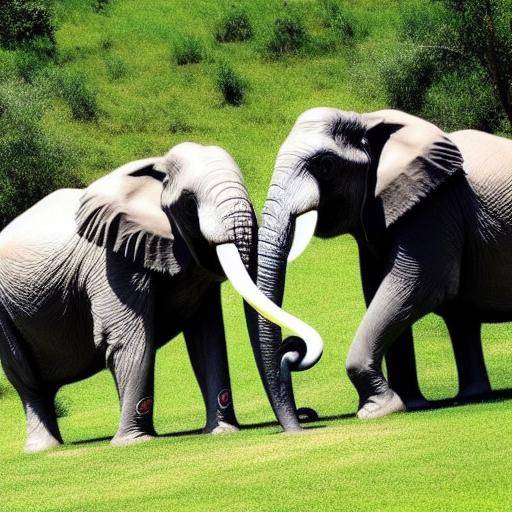
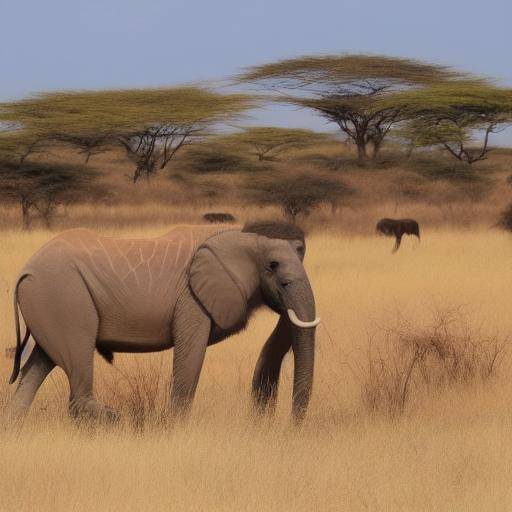
African elephants also star in impressive migrations through the vast plains of Africa. These majestic animals go through extensive distances in search of food and water, leaving an indelible mark on the landscapes they travel.
The Wonderful Flamenco Show in the Rift Valley
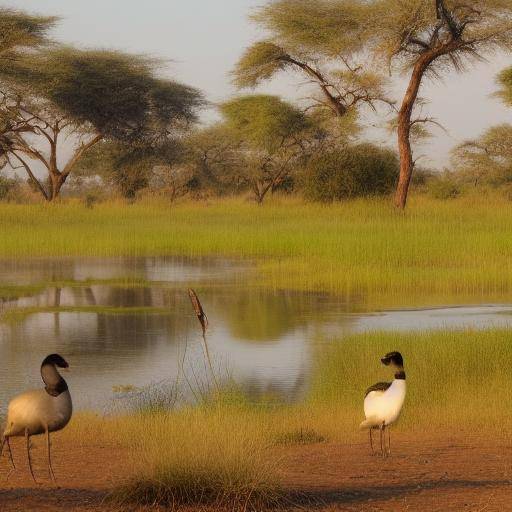
The Great Rift Valley is the meeting place for millions of flamencos, creating a dazzling visual show. These elegant birds migrate in search of the ideal conditions for food and reproduction, offering an incomparable color show.
Analysis in Deep
Benefits and Challenges of Migration
Animal migration in Africa is not only an impressive spectacle, but also plays a vital role in the preservation of biodiversity and ecological balance. However, these migrations face significant challenges, including climate change pressure, habitat loss and interaction with local communities.
Conservation and Sustainability Outlook
Conservation efforts play a crucial role in protecting migration in Africa. Conservation projects, natural reserves and protected areas are working hard to preserve habitats and migration routes, thus ensuring the long-term survival of these migratory species.
Migrations in the Cultural Context
Animal migrations in Africa are not only ecologically important, but also play a significant role in local cultures. These migrations have inspired myths, legends and traditions in African communities, becoming an integral part of the continent's cultural heritage.
Comprehensive review
Applications and Best Practices
Migration in Africa also has practical applications in fields such as ecotourism, scientific research and environmental education. Through sustainable initiatives, migration provides opportunities for local economic development and awareness of the importance of wildlife conservation.
Futures
The future of migration in Africa faces a number of challenges and opportunities. Climate change, human pressure on natural habitats and effective conservation are key areas that will define the fate of these migrations. However, with a holistic and collaborative approach, there is the potential to preserve and protect these natural phenomena for future generations.
Comparative analysis
Comparison of Migration in Africa
Animal migrations in Africa present an astonishing diversity, from the massive traversies of luus and zebras in Serengueti, to the subtlely elegant migrations of aquatic birds in African wetlands. Each migration has its own unique charm and appeal, offering a wide range of experiences for nature lovers.
Understanding Migration in its African Context
Animal migrations should be understood in the broader context of African ecosystems, their ecological and cultural importance, as well as their fragility to modern pressures. In understanding the complexities and nuances of African migrations, we can better appreciate their value and work towards their conservation and protection.
Practical Tips and Accessible Tips
Responsible Travel Experiences
If you have the opportunity to witness migration in Africa, it is essential to do so in a responsible and ethical manner. Choose tour operators who follow sustainable and wildlife-friendly practices, and support local conservation initiatives. Also, be sure to respect the rules of natural reserves and national parks to minimize your impact on the environment.
Photograph of Wildlife
Capturing the beauty of African migrations through photography is a unique experience. However, it is crucial to do it ethically and without disturbing animals. It respects the standards of distance and behaviour established to protect the safety and well-being of wildlife.
Follow-up to Migration and Citizen Science
Participating in bird-watching or migration monitoring programmes can contribute significantly to scientific research and wildlife conservation. Sharing sightings of migrations with local or global organizations can provide valuable data to understand and protect these phenomena.
Perceptions of Industry and Expert Reviews
Visions on the Conservation of Migration in Africa
Conservation and wildlife experts have expressed the critical importance of preserving migration in Africa. They have emphasized the need for collaborative and sustainable approaches that integrate conservation with human development, ensuring the long-term protection of these natural phenomena.
Case Studies and Real Life Applications
Success of Conservation Initiatives
Various success stories show that effective conservation can safeguard migration in Africa. From the establishment of biological corridors to the active participation of local communities in the management of natural resources, these cases illustrate the power of commitment and collaboration in the protection of migratory wildlife.
Future Trends and Predictions
Emerging horizons in African Migration
The future of African migrations will be influenced by a number of factors, including climate change, human development and conservation policies. Technological advances, such as satellite monitoring and data analysis, are expected to play a crucial role in understanding and protecting these migrations. At the same time, there is a greater focus on education and public awareness to promote the conservation of these unique migrations.
Conclusions and FAQs
Conclusions
Migration in Africa represents an astonishing spectacle of nature that transcends borders and cultures. From the majestic journeys of iconic animals to the interconnection of African ecosystems, these migrations are a treasure that deserves to be appreciated and protected. Through understanding and respect for these migrations, we can preserve the wealth of African wildlife for future generations.
Frequently asked questions
1. Why are animal migrations important in Africa?
Animal migration plays a crucial role in preserving ecosystems, biodiversity and ecological balance in Africa. In addition, these migrations have a significant cultural and economic impact on local communities and sustainable tourism.
2. What are the challenges for the conservation of migration in Africa?
Challenges include habitat loss, human pressure, climate change and interaction with human activities such as poaching. Effective protection of migration requires comprehensive approaches that address these challenges in a sustainable manner.
Conclusion
Migration in Africa is an impressive testimony to the beauty and complexity of nature. This visual journey has allowed us to immerse ourselves in the greatness of migrations, exploring its history, importance, challenges and future prospects. In appreciating and understanding these migrations, we become defenders of wildlife and their amazing journeys through African landscapes.