The sake, an emblematic Japanese drink, has a rich and profound history dating back centuries in Japan. Its evolution from monastic practices to its present place in Japanese culture is fascinating. In this article, we will explore in detail the history of sake, its origins, its historical importance and its relevance today. We will also analyze its impact on Japan and how it has endured over time.
Introduction
The sake, often called "rice wine", is a traditional alcoholic beverage from Japan that has been appreciated for generations. Its elaboration, rooted in Japanese history and culture, has influenced not only the traditions of consumption, but also the artistic and culinary heritage of the country. In this article, we will unravel the origins of sake, its transformation over time and its continuous impact on Japanese society.
History and Background
Origins and Evolution
The sake goes back to ancient Japan, with evidence suggesting its existence from the third century AD. Initially, their production was primarily associated with the religious sphere, as Buddhist monasteries were the pioneers in their elaboration. The process of fermentation of rice to produce sake not only met the spiritual needs of monks, but was also considered a tribute to the gods. Over time, the processing technique was refined and became part of ritual ceremonies, gaining a sacred status.
Significant Milestones and Developments
During the Edo period (1603-1868), sake experienced a radical change as the demand of the general public increased. Production techniques were standardized, and the drink became a central element in Japanese meetings and festivals. This period marked the transition of sake from a ritual drink to an integral aspect of Japanese culture.
Impact on the Japanese Society
The sake has been a constant presence in the daily lives of the Japanese for centuries. Considered a symbol of good fortune and unifying communities, its influence extends to gastronomy, literature and arts. As Japan opened to the world, sake also won international recognition as an emblem of Japanese culture.
Analysis in Deep
Benefits and Challenges
sake is not only a popular drink, but it has also been linked to health benefits. Scientific studies have shown certain antioxidant and cardiovascular effects associated with moderate sake consumption. However, excess consumption presents health challenges, and moderation is fundamental.
Current trends
Today, sake faces challenges to maintain its relevance in a globalized society. Despite this, it has experienced a rebirth in Japan and other countries, where consumers look for authentic culinary experiences. Diversification of sake, including premium and flavor varieties, has attracted new audiences and has revived interest in this old drink.
Exhaustive examination
Applications and Best Practices
The role of sake in Japanese gastronomy is fundamental. Its versatility makes it suitable for pairing with a wide variety of dishes, from sushi to grilled dishes. Best practices in service and sake tasting are essential to appreciate its unique complexity and flavor.
Perspectives and Prognostic
Experts in the sake industry anticipate sustained growth, driven by greater appreciation of quality and craftsmanship. Artisan wineries and new production techniques are expected to continue to innovate the sake segment, gaining ground in international markets.
Comparative analysis
Comparison: Sake, History and Japan
The sake is not only an emblem of Japanese culture, but it is also intrinsically linked to Japan's history and identity. Its evolution reflects the country's historical and sociocultural changes, making it a lasting symbol of Japanese tradition and innovation.
Practical Tips and Accessible Tips
- When choosing sake, consider your classification as "junmai" (without alcohol additions) or "junmai ginjo" (high quality), to experience a wide range of flavors.
- The service temperature is crucial; sake can be enjoyed hot, at room or cold temperature, and each style highlights different shades.
Conclusions and FAQs (FAQs)
Conclusions
The sake, with its deeply rooted in Japan's history, remains a cultural icon and a culinary delight. Its history from the monasteries to the present panorama reveals the perseverance and adaptability of this venerated drink. As we appreciate the sake, we are not only savoring the art of fermentation, but also honoring a centuries-old tradition that continues to captivate the palates of the whole world.
Frequently asked questions (FAQs)
1. What is the difference between sake and wine?
The sake is made from fermented rice, while the wine is produced from the fermentation of the grapes. This influences its taste, texture and pairing with different types of meals.
2. How is sake traditionally served?
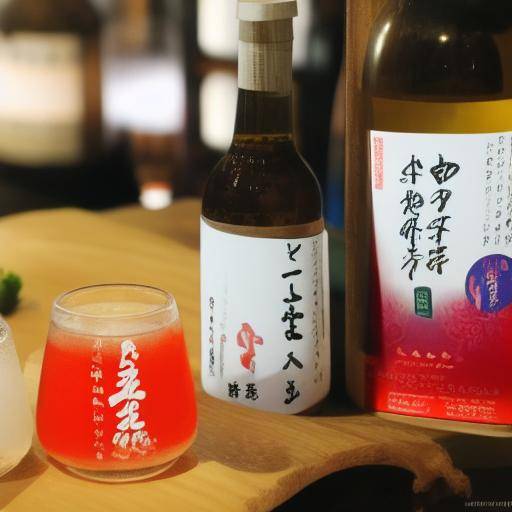
The sake is served in small vessels called "ochoko" and shared among the diners as a sign of camaraderie. It is also common to drink in ceremonial rituals and festivities.
3. What are the most outstanding types of sake?
The different types of sake are classified according to the processing process and its purity. The main ones include junmai, gin, daiginjo and nigori, each with unique flavor and aroma characteristics.
4. What is the best way to store sake at home?
The sake should be kept refrigerated to preserve its freshness and flavor. Once opened, it is advisable to consume it within one or two months to enjoy its optimal quality.
5. Is sake like rice liquor?
While both are made from rice, sake is subjected to a more complex fermentation and filtration process, which gives it greater complexity and variety of flavors compared to rice liqueur.
6. What is the right way to pair sake with food?
The sake harmonizes well with a variety of dishes, including seafood, sushi, tempura, grilled dishes and soft taste dishes. Its versatility makes it an excellent option to experiment with different types of kitchen.
With this comprehensive guide on the history of sake, its evolution and its contemporary relevance, we hope to have provided a complete vision of this distinguished Japanese drink. His legacy continues to influence culture and gastronomy, transcending borders and joining people from around the world in their appreciation for tradition and artisanal excellence.