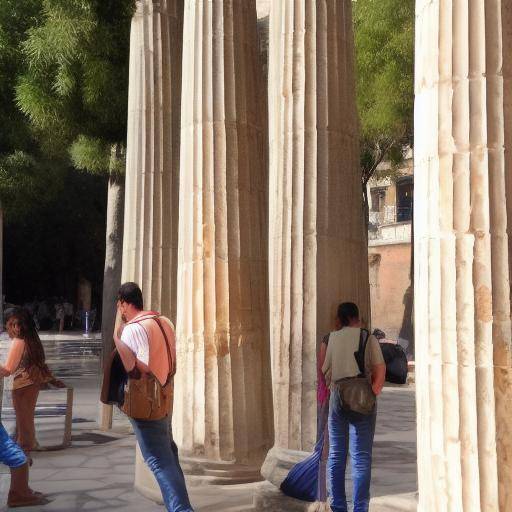
The Romanesque, an architectural and artistic style that flourished in Europe during the Middle Ages, left an imprint in the region of Castilla y León, located in the heart of Spain. This style, known for its simplicity, solidity and spirituality, has left an impressive architectural and artistic legacy that has endured over the centuries. In this article, we will explore the rich history of the Romanesque in Castile and Leon, its influence on art and architecture, its distinctive features and its relevance today. In the end, we will have an understanding and exciting look at this splendorous legacy.
History and Background
The Romanesque, whose apogee is between the eleventh and twelfth centuries, finds its roots in the historical and spiritual context of medieval Europe. In Castile and Leon, this architectural current was manifested in the construction of churches, monasteries and cathedrals that reflected the influence of the Christian religion and the feudal society of the time. The interrelationship between art, architecture and religion in this region was fundamental for the development and consolidation of the Romanesque style, making it a central element of its cultural heritage.
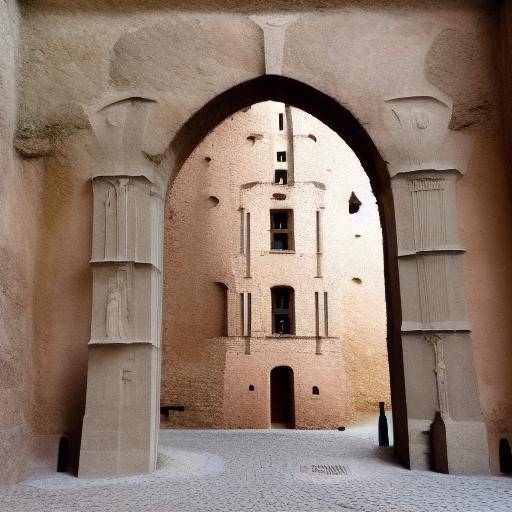
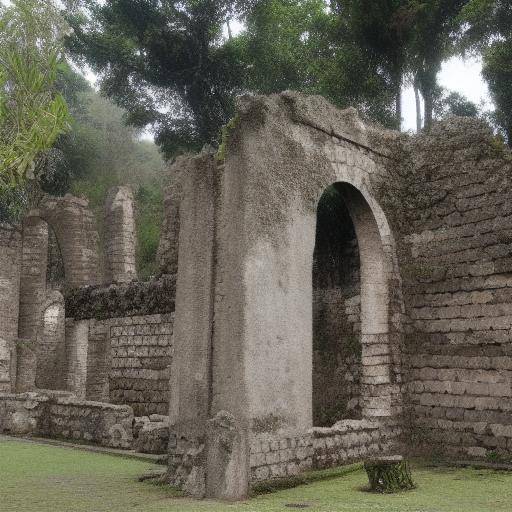
During this period, the master builders reflected their genius in the creation of architectural works of a sober and elegant beauty. The Romanesque churches of Castile and Leon, like that of San Martín de Fromista or that of San Isidoro in León, stand out for their solid stone walls, their half-point arches and their decorated capitals with religious motifs and biblical scenes. These buildings not only served as places of worship, but also as symbols of power and prestige for local communities.
Detailed Analysis
The Romanesque, in its simplicity and solidity, has resisted the passage of time to become a tangible testimony of human creativity and the spiritual pursuit of the time. Its architectural features, such as the counterstrokes, semi-circular apses and barrel vaults, reveal a harmony between form and function, creating spaces that invite reflection and contemplation.
At present, the Romanesque of Castile and Leon continues to captivate visitors and scholars of art, who find in their monuments an invaluable legacy of beauty and historical significance. Romanesque art has transcended the barriers of time, becoming an inexhaustible source of inspiration for contemporary artists and a testimony to the cultural wealth of this region.
Comprehensive review
Romanesque art in Castile and Leon has significantly impacted the cultural and artistic development of the region, configuring its identity and leaving a lasting legacy. The influence of the Romanesque is evident not only in architectural constructions, but also in sculpture, painting and crafts, showing the breadth and diversity of this artistic movement.
The conservation and promotion of Romanesque art in Castile and Leon represent a constant challenge, in which the preservation of historical heritage, the promotion of cultural tourism and the diffusion of knowledge play a fundamental role. Through restoration, research and education initiatives, efforts are made to ensure the perpetuality of this legacy for future generations.
Comparative analysis
By comparing Romanesque art with other artistic and architectural trends, we can appreciate its uniqueness and contribution to the European cultural landscape. The elegant simplicity of the Romanesque contrasts with the Gothic splendour or baroque exuberance, offering a unique perspective on the creativity and aesthetic sensitivity of the medieval period. In Castile and Leon, the solidity and austerity of the Romanesque merged with the sober and majestic character of its landscapes, creating an enabling environment for the flourishing of this artistic style.
Practical Tips and Accessible Recommendations
If you are in Castile and Leon, you can not miss the impressive churches, monasteries and Romanesque cathedrals that sprinkle their geography. Be sure to visit the Monastery of San Zoilo in Carrion de los Condes, the Colegiata de San Isidoro in León and the Basilica of Saint Vincent in Avila, to marvel at the timeless elegance of the Romanesque. In addition, do not miss the opportunity to explore rural areas and small towns, where you will find architectural jewels that testify to the greatness of this style.
Sector Reflections and Expert Reviews
Experts in art history consider that the Romanesque is not only an artistic expression, but also a historical and spiritual record that reveals the worldview and beliefs of medieval society. Their influence, they maintain, transcend the purely aesthetic and constitute an invaluable testimony to understand the evolution of art and culture in Europe.
Case Studies and Real Life Applications
The impact of the Romanesque in Castile and Leon is evident in various areas, from cultural tourism to heritage education. The restoration of Romanesque monuments, such as the recent intervention in the church of San Martín de Tours in Frómista, has not only encouraged the conservation of these works, but also the generation of employment and the stimulus of the local economy.
Future Trends and Predictions
In a world where technology and innovation mark the pace of change, the Romanesque persists as an anchor of cultural identity and a reminder of human creativity. It is hoped that digitalization and value-making through virtual means will contribute to the dissemination and preservation of the Romanesque legacy, bringing this heritage wealth closer to an ever wider and diverse audience.
Conclusion
The Romanesque in the Castilian region is a treasure that invites us to enter history, contemplate timeless beauty and reflect on the transcendence of art in the configuration of cultural identity. Through its monuments, we find a bridge between the past and the present, which allows us to appreciate the ingenuity and sensitivity of past generations. To preserve and value this legacy is a commitment to all of us, so that the next generations can continue to admire the greatness of the Romanesque in Castile and Leon.
Frequently asked questions
What are the distinctive characteristics of Romanesque art in Castile and Leon?
Romanesque art in Castile and Leon is characterized by its structural solidity, the presence of half-point arches, the sculptural decoration of capitals and ornamental sobriety. Its churches and monasteries reflect a unique fusion between religious influence and regional identity.
What is the importance of Romanesque art in the region of Castile and Leon?
Romanesque art is crucial to understanding the history and cultural identity of Castile and Leon. In addition to being an invaluable artistic legacy, it represents an outstanding tourist attraction and a testimony of human creativity in a given historical context.
How has Romanesque art influenced the development of cultural tourism in Castile and Leon?
Romanesque art has been a magnet for cultural tourism, attracting visitors from around the world who want to know and admire these unique works. The promotion of tourist routes and the value of this heritage have contributed significantly to the economic development of the region.
What challenges are the conservation of Romanesque art in Castile and Leon?
The conservation of Romanesque art in Castile and Leon faces challenges, such as the maintenance of the centuries-old architectural structures, the preservation of the works of art and the reconciliation between the protection of cultural heritage and urban development. In addition, continuous resources and efforts are required to ensure the sustainability of these monuments.
How is heritage education promoted in relation to Romanesque art in Castile and Leon?
Patrimonial education has become a fundamental pillar to promote the valuation and care of Romanesque art among new generations. Educational programs, guided tours and didactic activities contribute to sensitizing the local population and visitors about the importance of this legacy.
How has the perception of Romanesque art in Castile and Leon evolved in the contemporary era?
In the contemporary era, the perception of Romanesque art has evolved towards a greater appreciation of its authenticity, its cultural contribution and its ability to generate meaningful experiences. A deeper understanding of its historical context and its significance has been promoted within the world art landscape.
The Eternal Beauty of the Romanesque
The Romanesque in the Castilian region is a legacy that transcends time and space, a testimony of the human creativity and spirituality that endures in every stone, in every arch and in every sculpture. Its splendor invites us to contemplate eternal beauty and to connect with a cultural heritage that continues to resonate in the present. Through its magnificence, the Romanesque in Castile and Leon offers us the possibility of exploring a universe of meanings, emotions and reflections, in a fascinating journey through the history, art and identity of a region that treasures an invaluable legacy.