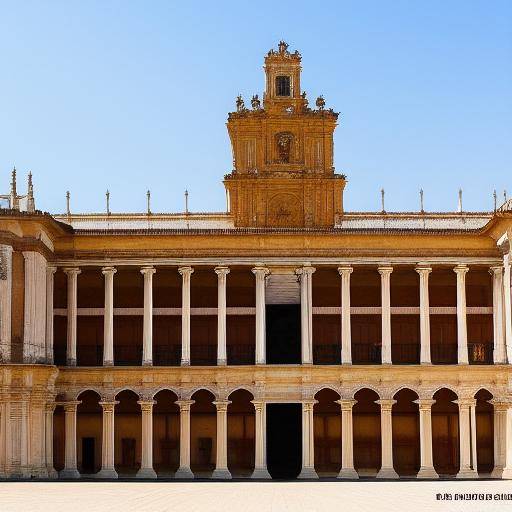
The Romanesque style is a treasure of Spanish architecture, and nowhere this medieval art has flourished as much as in Castile and Leon. This article will take you to a fascinating cultural journey to explore the wonderful Romanesque world in this region.
Introduction to the Castellano Romanesque
Romanesque is an architectural style that flourished in Europe during the Middle Ages. In Spain, the Romanesque is characterized by its fortified churches, its impressive semicircular arches and its stone sculptures. Castilla y León hosts an impressive number of examples of this art, making it a true jewel for lovers of medieval architecture.
History and Background
The Romanesque rises in Europe between the 11th and 12th centuries, inspired by the Roman architectural designs. In Castile and Leon, this style flourished during the Reconquista, with the construction of numerous churches, monasteries and castles that combined Romanesque elements with Muslim influences. The expansion of Christianity and the rise of the Camino de Santiago also boosted the construction of important Romanesque temples in the region.
Detailed Analysis of the Spanish Romanesque
The Spanish Romanesque is distinguished by its sobriety and solidity, with a profound spirituality reflected in its sculptures and reliefs. Semicircular arches, decorated capitals and eardrums with biblical reliefs are distinctive features of this architecture.
Perspectives and Challenges
Despite its beauty, the Romanesque faces challenges in terms of conservation and restoration. Exposure to natural elements and urban pollution have deteriorated many of these structures, endangering their integrity. However, the preservation and restoration efforts have made it possible to safeguard this cultural heritage for future generations.
Comprehensive Review of the Romanesque and Culture
The Romanesque in Castile and Leon not only offers a unique vision of medieval architecture, but also enriches the cultural experience. The integration of faith, art and history in these buildings offers a profound understanding of the identity of the region and its historical legacy.
Comparative analysis
The influence of the Romanesque in the culture of Castile and Leon is evident in the daily lives of its inhabitants. From religious festivals to local gastronomy, the Romanesque has left its mark on all facets of life in this region.
Tips and Suggested Actions
If you are planning a trip to Castile and Leon, you cannot miss the opportunity to explore the wonders of the Romanesque. Be sure to visit the most outstanding sites and immerse yourself in the rich history and culture that these buildings contain.
Industry Perspectives and Expert Reviews
Experts on architecture and cultural heritage highlight the importance of preserving Romanesque as a fundamental part of the historical legacy of Castilla y León.
Case Studies and Practical Applications
Romanesque is not only a subject of academic interest, but also has practical applications in the field of cultural tourism and artistic education. Studying these monuments not only enriches historical knowledge, but also offers valuable lessons on architectural and artistic techniques.
Future Trends and Predictions
As cultural tourism gains relevance, the Spanish Romanesque is expected to attract the attention of a wider audience, generating renewed interest in this form of medieval art.
Conclusion
The Spanish Romanesque is a cultural gem that encapsulates the historical and artistic wealth of Castile and Leon. Diving into this wonderful architectural universe is an enriching experience that offers a unique perspective on the history and culture of the region.
Frequently asked questions about the Romanesque, Castile and Leon and Culture
1. Why is the Romanesque important in Castile and Leon?
The Romanesque in Castile and Leon is important because it represents a crucial period in regional history, reflecting the influence of Christian culture, medieval architecture and the legacy of the Reconquista.
2. What are the most outstanding examples of Romanesque architecture in Castilla y León?
Some of the most outstanding examples include the Cathedral of Burgos, the Colegiata of San Isidoro in León and the Church of San Martín de Frómista, among others.
3. How does cultural tourism affect the Romanesque in Castile and Leon?
Cultural tourism has contributed to the preservation and restoration of Romanesque structures by generating awareness of their historical and cultural value. However, it also poses challenges in terms of sustainable conservation.
4. What impact does the Romanesque have on the cultural identity of Castile and Leon?
The Romanesque has left an indelible mark on the cultural identity of the region, influencing its art, festivities and traditions, and serving as a lasting testimony of its historical heritage.
5. What is the role of gastronomy in the cultural experience of Castile and Leon related to Romanesque?
The gastronomy of Castilla y León reflects the cultural wealth and historical tradition of the region, complementing the experience of Romanesque through authentic flavors and recipes rooted in local history.
6. How can you contribute to the preservation of Romanesque in Castile and Leon?
Contributing to the preservation of Romanesque in Castilla y León means supporting conservation initiatives, promoting knowledge and awareness of the value of cultural heritage, and participating in responsible and sustainable tourism.
In short, the Spanish Romanesque offers a fascinating journey through time, providing a deeper understanding of the rich history and culture of the region. The preservation of this architectural heritage is crucial to keeping alive the memory of a period that has left an indelible mark on the identity of Castilla y León.
Note: This article provides an exhaustive look at the Romanesque in Castile and Leon, combining historical, cultural and tourist aspects to offer a complete view of this fascinating architectural heritage.