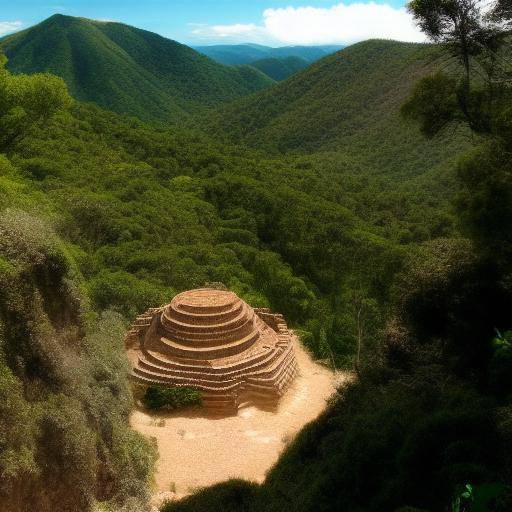
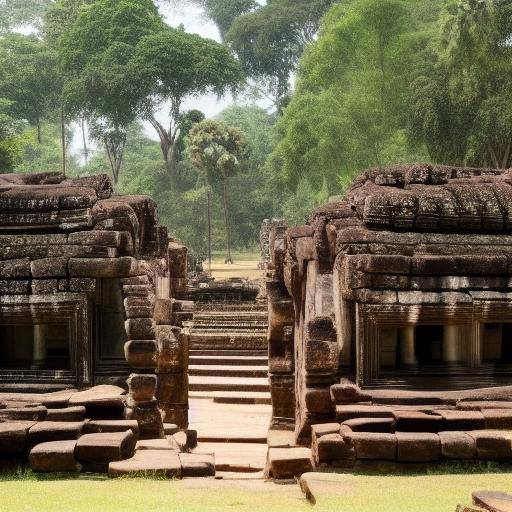
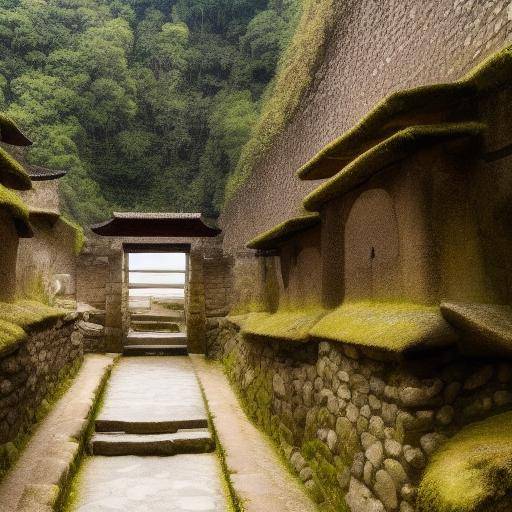
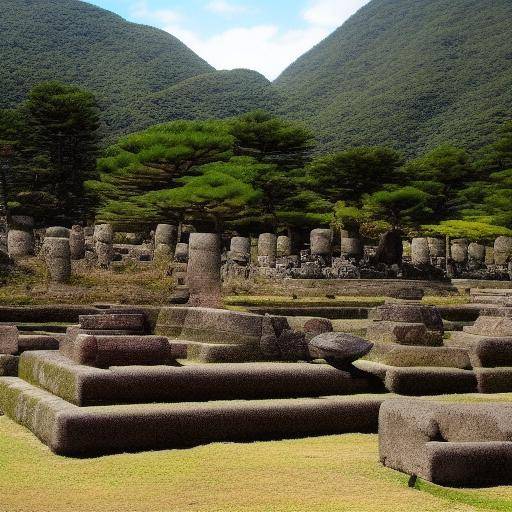
Bali, known as the "Island of the Gods", is an emblematic destination of natural beauty and spirituality in Indonesia. The temples of Bali, known as "Pura", and its rituals and ceremonies are a living manifestation of the rich cultural and spiritual heritage of the island. In this article, we will explore in detail the rituals and ceremonies in the temples of Bali, their deep connection with local culture and their impact on the daily life of the Baliness.
Introduction
Bali is a place where religion, spirituality and culture intertwine intrinsically in the daily lives of their people. The temples of Bali, with its impressive structures and ritual complexes, offer a unique window to understand the deep spiritual and cultural connection of the island. Throughout this article, we will explore the history, rituals, cultural importance and contemporary practices of the temples of Bali, revealing the beauty and complexity of this fundamental part of Balinese life.
History and Background
The history of the temples of Bali dates back centuries, at a time where the island was populated by prosperous kingdoms with strong religious traditions. These kingdoms erected the first temples as centers of worship and rituals to honor the gods and spirits that, according to local belief, inhabit the earth. Over time, the Hindu influence in Bali brought with it the construction of elaborate temples that reflect the rich iconography and religious traditions of India.
Evolution and Meaning
The evolution of the temples of Bali has been marked by religious syncretism, where Hindu, Buddhist and Animist beliefs intertwined to form the spiritual basis of the island. These temples not only function as places of worship, but also as centers of social and cultural cohesion, where the community meets to celebrate important events, such as birth ceremonies, marriages and funerals.
In the daily life of the Balines, the temples play a fundamental role, as they provide a spiritual refuge and a sense of cultural identity. The traditional architecture of these temples, with their intricate sizes and ornaments, reflects the devotion and artistic skill of the Balkan people, establishing a tangible connection between the sacred and the earthly.
Analysis in Deep
The rituals and ceremonies in the temples of Bali are a vivid expression of the tradition, faith and devotion of the Balinese culture. From the intricate Barong dances that represent the struggle between good and evil, to the daily offerings of flowers, incense and rice, each ritual act has a symbolic meaning that transcends the world. These practices are fundamental to the maintenance of spiritual balance and harmony in Balinese society, infusing daily life with a profound sense of purpose and connection with the divine.
Benefits and Challenges
Although rituals and ceremonies in the temples of Bali are a source of inspiration and beauty, they also face challenges in the modern era. Tourism and globalization have brought about changes in the way rituals are carried out, which poses challenges to preserve the authenticity and purity of these ancestral practices. However, the Balinese community has shown remarkable resilience in adapting to changes without losing sight of the essence of their rituals and ceremonies.
Full review
The temples of Bali and their rituals offer a profound view of the unique relationship between the island's religion, culture and identity. Through the observation of these practices, a deeper understanding of the fundamental values that followed the life of the Baliness, such as harmony, respect and gratitude, is revealed. Beyond its religious aspect, rituals and ceremonies in the temples of Bali represent a way of living in harmony with the natural and spiritual environment, uniting the community in a sense of shared purpose and connection with divinity.
Comparative analysis
By comparing the temples, rituals and culture of Bali with other religious and cultural practices in the world, similarities and differences emerge that enrich our understanding of human diversity. While some rituals may seem strange or mysterious to outsiders, in understanding their meaning and cultural context, their profound beauty and importance to the community is revealed.
Practical Tips and Accessible Tips
If you plan to visit Bali to witness the temples and participate in their rituals, here are some practical tips:
- Respect: It always shows respect for local religious and cultural practices.
- Dress: Use modest clothes and cover your shoulders and legs when visiting temples.
- Participation: If you are invited to participate in a ritual, do it with humility and sincerity.
- Photograph: Request permission before taking photographs during the rituals.
Industry ideas and Expert Reviews
Recognized experts in religion and anthropology, as well as spiritual and academic leaders, have expressed opinions and reflections on the temples, rituals and culture of Bali. His knowledge offers a unique perspective on the importance of preserving these traditions in a constantly changing world, as well as the need to respect and understand the spiritual and cultural wealth of Bali.
Case Studies and Applications in Real Life
Numerous case studies have revealed the positive impact of rituals and ceremonies on Balinese society. From promoting social cohesion to fostering a sense of cultural identity, rituals in the temples of Bali play a crucial role in the daily life of the community. These examples illustrate how the practice of spirituality can prosper and enrich the lives of people in a cohesive community.
Future Trends and Predictions
Future trends indicate that the temples, rituals and culture of Bali will remain an integral part of the island's identity and appeal. With renewed interest in sustainable tourism and the preservation of cultural authenticity, it is hoped that the spiritual practices of Bali will continue to be a source of inspiration and learning for generations to come.
Conclusion
The temples, rituals and culture of Bali are intertwined in a unique way to offer a fascinating view of the island's spirituality and cultural identity. Over the centuries, these practices have enriched the life of the Baliness and attracted the admiration of visitors from around the world. As the world progresses towards the future, it is crucial to recognize and preserve the importance of these ancestral traditions to ensure that they continue to enrich and elevate human experience.
Frequently asked questions
What is the importance of rituals in the temples of Bali?
The rituals in the temples of Bali are fundamental to maintaining spiritual balance and harmony in Balinese society. They also offer a unique way of preserving cultural identity and promoting community cohesion.
How can I participate respectfully in the Balinese rituals?
If you want to participate in a Balkan ritual, it is crucial to show respect and humility. Follow the signs of locals and refrain from inappropriate behaviors.
What is the right dress to visit a temple in Bali?
When visiting a temple in Bali, it is appropriate to dress modest garments covering shoulders and legs as a sign of respect and consideration by local religious practices.
How have the rituals of the temples of Bali evolved over time?
The rituals in the temples of Bali have experienced changes in response to globalization and tourism. However, the Balinese community has maintained the essence and authenticity of its ancestral practices.
What is the importance of temples in the daily life of the Baliness?
The temples are not only places of worship, but also centers of social and cultural cohesion. They act as meeting points to celebrate important events and keep alive the identity and spirituality of the community.
What does religious syncretism mean in the context of the temples of Bali?
Religious syncretism in the temples of Bali reflects the fusion of Hindu, Buddhist and Animist beliefs, creating a rich spiritual and cultural tradition that defines the identity of the island.
How do rituals and ceremonies influence the daily life of the Balinese?
The rituals and ceremonies in the temples of Bali infuse the daily life of the Baliness with a deep spiritual connection and a sense of shared purpose, promoting harmony and mutual respect in the community.
In short, the temples, rituals and culture of Bali represent a rich intersection of the spiritual and the cultural, providing a unique window to the identity and heritage of the "Island of the Gods". In deepening these sacred practices, both local inhabitants and visitors can appreciate the timeless beauty and the deep connection with the divine character of Bali.