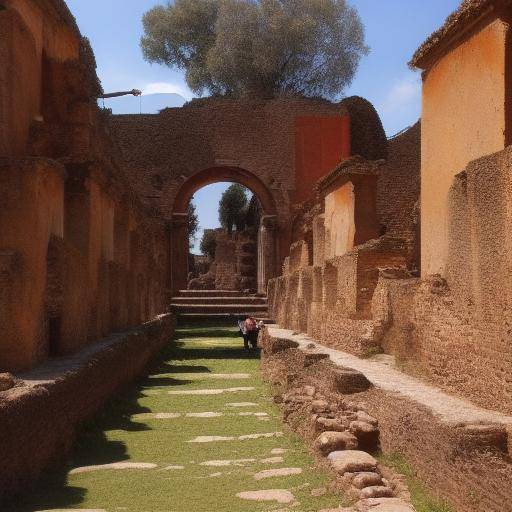
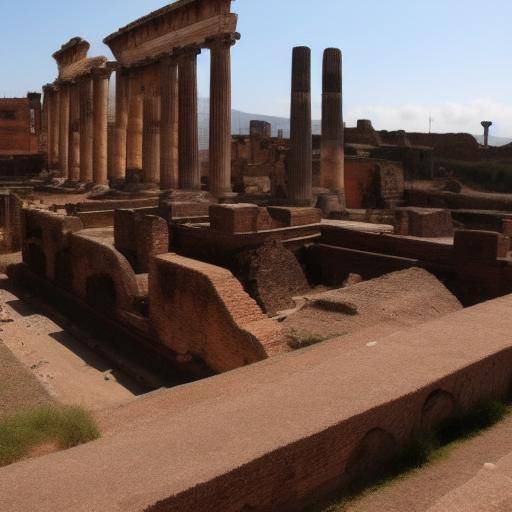
Pompeii's story is a fascinating narrative that spans the prosperous life in an ancient Roman city, its tragic destruction and its subsequent rediscovery as a valuable archaeological site. In this article, we will explore in detail the rich history of Pompeii, the shocking catastrophe that destroyed it and its meaning for history and archaeology. From its boom as a bustling Roman city to its tragic destiny under the ashes of Vesuvius, every aspect of Pompeii reveals a captivating story that continues to captivate current generations. Join us on this journey through time and discover the history of Pompeii!
Introduction
Pompeii, known for its tragic disappearance under the volcanic ashes of Mount Vesuvius, is a place that has fascinated humanity for centuries. Through its ruins and archaeological remains, Pompeya tells the story of a thriving Roman city that was suddenly frozen in time. This article will guide you through the different aspects of Pompeya's history, from its origin to its preservation as an important archaeological site.
History and Background
Pompeii, an ancient Roman city located near the modern Naples, Italy, was founded around the sixth century BC by Greek settlers. Over time, the city became an important shopping and residential center, known for its luxurious villas and prosperous urban life. Architecture, art and culture in Pompeii reflected Roman and Greek influence, which made it an epicenter of sophistication and distinction.
The Tragic Destruction
The fateful August 24, 79 AD, the city of Pompeya was suddenly devastated by the violent eruption of Mount Vesuvius. The ashes and lava buried the city, guarding it unexpectedly but tragically. This natural disaster caused the loss of thousands of lives and plunged Pompeii into a centuries-old lethargy. However, the unexpected preservation of the city under the ashes provided a unique window to the past for modern archaeologists.
Analysis in Deep
The preservation of Pompeii gives a detailed look at everyday life in ancient Rome, revealing amazing aspects of society, the economy and the arts of the time. The archaeological remains reveal intimate details of the life of the inhabitants of the city, offering a treasure of information about their beliefs, customs and social structures. The in-depth study of these findings provides a more complete understanding of ancient history and how people lived at that time.
Comprehensive review
The discovery and preservation of Pompeii have allowed the experts not only to rebuild the history of the city, but also to gain valuable knowledge about the architecture, urbanism and planning of ancient Rome. Continuous conservation and study efforts also provide unique perspectives on the impact of natural disasters on human communities and how societies can recover and rebuild after devastating tragedies.
Comparative analysis
Comparatively, Pompeii's history finds parallels today, as natural disasters continue to affect communities around the world. Pompeii's study and understanding serve as a perennial reminder of the fragility of human life and the importance of learning from history to avoid similar tragedies in the future.
Practical Tips and Accessible Tips
If you want to explore Pompeii, we highly recommend visiting the archaeological site with an expert guide. Their knowledge will enrich your experience, allowing you to better understand Pompeya's history and significant importance. In addition, make sure you wear comfortable footwear, water and sun protection, as the site may require long walks under the sun.
Conclusions
Pompeii, with its extraordinary history and tragic destiny, remains a powerful symbol of human fragility and the resistance of historical legacy. At present, its importance as an archaeological site and its impact on the understanding of history and archaeology continues to grow. The legacy of Pompeii resonates through the centuries, inspiring future generations to learn from their experience and appreciate the fragility and resilience of mankind in times of tragedy.
Frequently asked questions
1. What was the main cause of Pompeii's destruction?
The eruption of Mount Vesuvius in 79 AD was the main cause of the destruction of Pompeii. The violent eruption wrapped the city in ashes and lava, guarding it unexpectedly but devastatingly.
2. How was Pompeii discovered after centuries of being buried?
Pompeii was rediscovered in the 18th century, when archaeologists unearthed the ruins and remains of the city, revealing its surprising preservation under the layers of volcanic ash.
3. What is the meaning of Pompeii in the history of archaeology?
The discovery and preservation of Pompeii have provided a unique vision of life in ancient Rome, offering valuable historical and archaeological perspectives on the society, culture and architecture of the time.
4. Why is Pompeii's study important today?
The Pompeii study remains relevant today, not only for its historical and archaeological value, but also for the lessons it offers on the fragility of human life and the importance of planning and resilience in the context of natural disasters.
5. What are the recommendations to visit Pompeii?
It is recommended to visit Pompeii with an expert guide to get a deeper understanding of its history and meaning. In addition, it is important to wear comfortable footwear, water and sun protection due to long walks and the sun.
6. What is the most important lesson we can learn from Pompeii's history?
Pompeii's history offers us an important lesson on the fragility of human life and the need to be prepared for natural disasters. It also stresses the importance of learning from history to avoid similar tragedies in the future.
In short, the history of Pompeii, from its rise to its destruction and rediscovery, continues to be a fascinating testimony of human resilience and the fragility of life in the face of nature. Its historical and archaeological importance remains relevant today, offering valuable lessons for present and future generations.