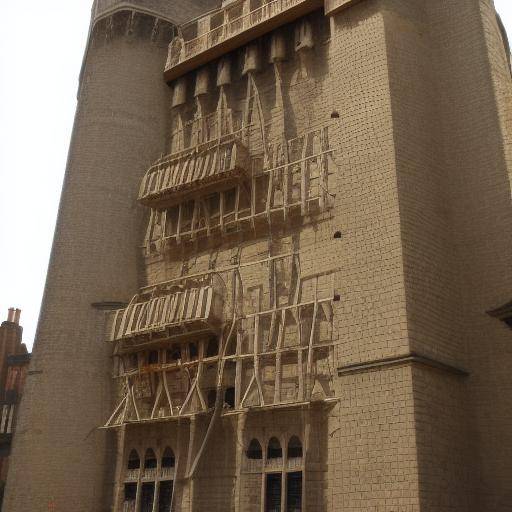
The Palace of Villanueva is one of the most emblematic historic buildings in Madrid, located near the famous Prado Museum. This palace is not only an impressive architectural work, but also a cultural centre of great relevance to Spanish art. In this article, we will explore the fascinating history of the Palace of Villanueva, its connection with the Museo del Prado and its impact on the world of art and culture.
Introduction
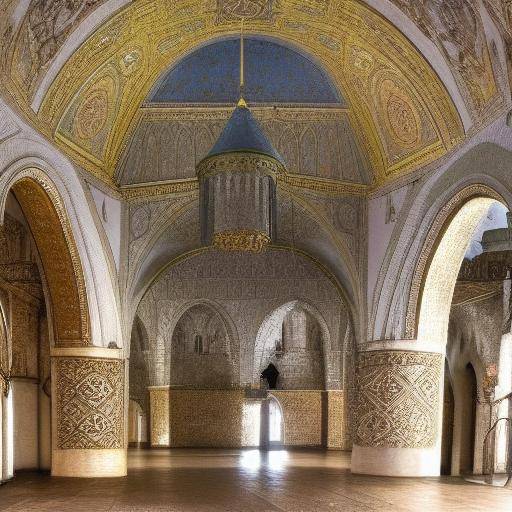
Located in the district of Los Jerónimos, the Palace of Villanueva has been a symbol of elegance and culture since its construction in the late 18th century. Designed by the renowned architect Juan de Villanueva, this neoclassical palace has witnessed centuries of artistic and cultural history in Madrid. Currently, it houses the Royal Academy of Fine Arts of San Fernando, consolidating itself as an educational and artistic epicentre.
History and Background
Construction and Design
The Palace of Villanueva was commissioned by the Duke of Alba and designed by Juan de Villanueva, outstanding architect of Spanish neoclassicism. Its construction was completed in 1782 and became a luxury residence that reflected the refinement of the Spanish nobility of the time. The facade of the palace, with its neoclassical style, is a notable example of the architecture of the Enlightenment in Spain.
Relationship with Art and Culture
Since its inception, the Villanueva Palace has been closely linked to the world of art. Being located near the Museo del Prado, it has played a crucial role in the promotion and preservation of Spanish art. Numerous artistic collections have found refuge in their halls, enriching the cultural heritage of Madrid and attracting artists and academics from around the world.
Transformations and Adaptations
Over the years, the Villanueva Palace has undergone various transformations to adapt to changing needs. From its original function as a noble residence to its current role as an academy of fine arts, it has maintained its cultural and architectural relevance. These adaptations have guaranteed their preservation and continuity as a centre of artistic and cultural education.
Historical and Cultural Importance
The Palace of Villanueva is not only an architectural monument, but also a living testimony of the history and culture of Spain. His contribution to art and artistic education makes him a bastion of creativity and cultural expression in Madrid. Its proximity to the Museo del Prado has strengthened its influence on the art scene, promoting cultural exchange and appreciation of Spanish and international art.
Deep analysis
Legacy and Herdence
The legacy of the Villanueva Palace transcends its function as a historic building. Its neoclassical architecture and role as academy of fine arts continue to inspire generations of artists and academics. It is a living example of Spanish architectural heritage and a symbol of Spain's dedication to art and culture.
Relationship with the Museo del Prado
The geographical proximity of the Palace of Villanueva to the Museo del Prado has facilitated a symbiotic relationship between the two. This proximity has allowed the palace to complement the exhibitions of the museum, host joint cultural events and serve as an educational space for studies related to the beautiful arts.
Contributions to Art and Culture
The Palace of Villanueva has been the scene of important cultural events that have enriched the artistic life of Madrid. From lectures and exhibitions to educational programs, he has played an active role in promoting art and preserving cultural heritage. His commitment to artistic education ensures that he remains a beacon of creativity in the global artistic community.
Challenges and Opportunities
Despite its historic importance, the Villanueva Palace faces challenges in managing its conservation and adaptation to contemporary demands. The preservation of its architectural structure and the sustainable management of its resources are key aspects of ensuring its long-term cultural integrity. These challenges also represent opportunities to innovate and revitalize their role as a cultural and educational centre in the twenty-first century.
Comprehensive review
Applications in the News
The Villanueva Palace remains a vital space for art and culture in Madrid. Their educational programs and cultural events reflect their commitment to the local and international artistic community. As an academy of fine arts, it continues to nurture and promote emerging artistic talent, ensuring its relevance in the contemporary cultural landscape.
Opinions of Experts and Future Perspectives
Various experts in architecture, art history and heritage conservation offer their views on the Villanueva Palace and its role in the future of Spanish art. Their informed perspectives are fundamental to understanding how the palace can evolve as a dynamic center of creativity and cultural expression.
Comparative analysis
Palace of Villanueva vs. Museo del Prado
Compare the Palace of Villanueva with the Museo del Prado reveals the different contributions that both make to the artistic panorama of Madrid. While the museum is famous for its collection of classic paintings, the palace complements this offer with its architecture and educational programs. Both are essential points of reference to appreciate the cultural and artistic wealth of Spain.
Practical Tips and Recommendations
Cultural Exploration
For those who want to explore the Villanueva Palace and its relationship with the Museo del Prado, here are some practical tips:
- Guided tours: Take advantage of guided tours to learn about the history and architecture of the palace.
- Cultural events: Participate in cultural events and conferences to immerse yourself in the artistic life of Madrid.
- Educational programmes: Explore the educational programs offered by the Royal Academy of Fine Arts of San Fernando to deepen Spanish art and culture.
These recommendations will help visitors to make the most of their cultural experience at the Palace of Villanueva and the Museo del Prado.
Conclusions and FAQs
Conclusions
The Palace of Villanueva represents a living testimony of the neoclassical architecture and the dedication of Spain to art and culture. Its close relationship with the Museo del Prado and its commitment to artistic education make it an invaluable monument for Madrid and the world of global art.
Frequently asked questions
- **What is the relationship between the Palace of Villanueva and the Museo del Prado?**Both share a geographical proximity and a common mission to promote Spanish art and culture.
- **What kind of cultural events are held at the Palace of Villanueva?**Lectures, exhibitions and educational programs are held that enrich the cultural life of Madrid.
- **What is the importance of the Villanueva Palace in the history of Spanish art?**It is fundamental for the preservation and promotion of Spanish art, offering a vital space for the study and exhibition of works of art.
- **Can you visit the art collections of the Villanueva Palace?**Yes, many of the collections are open to the public during exhibitions and special events.
- **How has the role of the Villanueva Palace evolved over the years?**It has become a noble residence to become an academy of fine arts, adapting to the changing demands of society and culture.
- **What is the relevance of the Villanueva Palace in the contemporary art scene?**It remains a vibrant centre of creativity and artistic education, influencing and nurturing the contemporary art scene.
By exploring the Palace of Villanueva and its connection to the Museo del Prado, we discover a rich history of art, architecture and culture that remains relevant and fascinating in the cultural landscape of Spain and beyond. His legacy endures as a testimony of the artistic and architectural grandeur that transcends the barriers of time and enriches our lives with its splendor and meaning.