Introduction
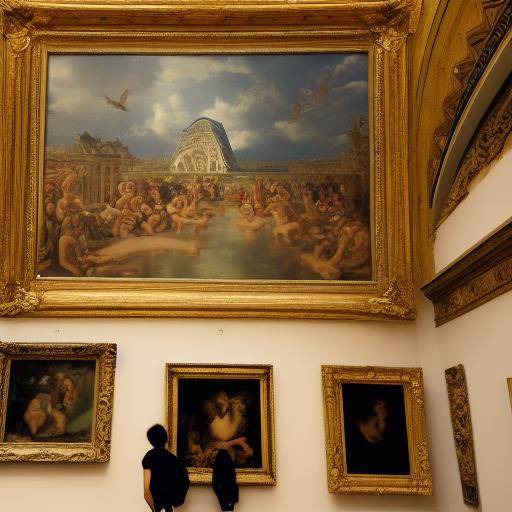
The Louvre Palace, an architectural gem located in the heart of Paris, is much more than a simple building, is a historic monument that has witnessed the evolution of the city over the centuries. In this article, we will immerse ourselves in the fascinating history of the Louvre Palace, explore its transformation into the renowned Louvre Museum and discover the artistic and cultural richness that it has within it. Come with us on this journey through time and discover the secrets that this majestic palace has to reveal.
History of the Louvre Palace
The history of the Louvre Palace dates back to the Middle Ages, when Philippe-Auguste decided to build a fortress in that strategic location on the banks of the Seine. During the later years, the palace suffered numerous extensions and renovations, transforming itself from fortress to royal residence.
Over the centuries, the Louvre Palace witnessed events that marked the history of France, from the glorious monarchy to the turbulent French Revolution. After the Revolution, the palace became a museum, thus reflecting a new era of cultural openness and democratization of art.
Louvre Museum: Artistic Treasure
The Louvre Museum houses an impressive collection ranging from Egyptian antiques to Renaissance masterpieces, through modern and contemporary art. Among its most outstanding treasures are the Mona Lisa of Leonardo da Vinci, the Venus of Milo and Freedom guiding the people of Eugène Delacroix.
Analysis in Deep
The Louvre Palace is much more than a museum; it is an emblematic institution that has managed to merge history, art and architecture to offer a unique experience to its visitors. With more than 35,000 exhibited works of art, the Louvre Museum not only represents the French cultural heritage, but is also a meeting point for people from around the world who seek to enrich themselves culturally.
Comparative and Conclusions
By comparing the Louvre Palace, its history and evolution to the Louvre Museum, you can appreciate its exceptional importance in the world's artistic and cultural spheres. This iconic building has managed to transcend time and become a symbol of the cultural and artistic wealth of France.
Conclusions and FAQs
In conclusion, the Louvre Palace and its associated museum represent an invaluable treasure that not only protects masterpieces, but also the living history of France and the world. This architectural gem continues to marvel at its visitors, inspiring artists and consolidating itself as one of the most important cultural destinations on the planet.
Frequently asked questions
**What's the history of the Louvre Palace?**The Louvre Palace has its origins in a medieval fortress built by Philippe-Auguste in the 12th century. Over time, it was transformed into a real residence and eventually into a world-renowned museum.
**What can you find at the Louvre Museum?**The Louvre Museum houses a vast collection of art that includes from Egyptian antiques to masterpieces of Renaissance painting and contemporary works. The Mona Lisa, the Venus of Milo and huge collections of art from diverse civilizations stand out.
**What is the importance of the Louvre Palace in French culture?**The Louvre Palace is a symbol of the cultural wealth of France. Its transformation into a museum, its imposing architecture and its extensive artistic collection make it an indisputable reference in the cultural sphere.
**How has the Louvre Museum impacted on the development of art and history? The Louvre Museum has influenced not only the history of art and the preservation of cultural heritage, but also the development of artistic movements and the understanding of history through its collections.
**What is the architecture of the Louvre Palace?**The architecture of the Louvre Palace is a testimony to the evolution of French architecture over the centuries. From its origin as a fortress to its Renaissance expansions and its iconic glass pyramid, the palace is a compendium of historical styles.
**What transformations has the Louvre Palace experienced over time?**The Louvre Palace has undergone numerous transformations that reflect the evolution of French society and its values. From fortress to royal residence, and then to museum, each change has left a mark on its architecture and meaning.
**Why is the Louvre Museum considered one of the most important museums in the world?**The Louvre Museum is widely recognized for its extensive collection of masterpieces, its influence on the development of Western art, its iconic architecture and its role in the diffusion of culture and artistic knowledge worldwide.
In short, the Louvre Palace and its transformation into the Louvre Museum represent a fascinating journey through history, art and architecture. Its importance transcends borders and its influence will endure for generations, continuing to inspire those who seek to immerse themselves in the cultural and artistic wealth of the world.