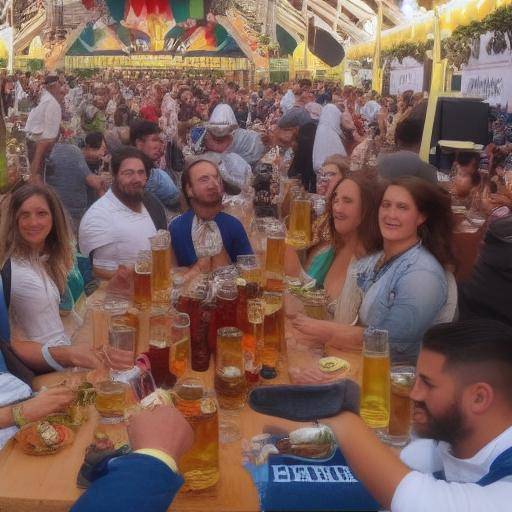
The Oktoberfest is one of the most emblematic and well-known celebrations worldwide. This event, which has its roots in Germany, has transcended borders and has become a festival that attracts millions of people every year. In this article, we will explore the fascinating origin of the Oktoberfest, the traditions surrounding it and the colorful legends that have endured over time. Throughout this journey, we will find out how this holiday has left an unbeatable mark on the history and culture of Germany, as well as in the heart of beer and fun lovers around the world.
Introduction
The Oktoberfest is a feast of beer, music and fun that is held annually in the city of Munich, Germany. It has become a symbol of German culture and attracts visitors from all over the world. But what is the origin of this holiday? What traditions make it a unique event? And what legends have contributed to its popularity and charm? Throughout this article, we will answer these questions and immerse ourselves in the history and folklore surrounding the Oktoberfest.
History and Background
The history of the Oktoberfest dates back to 1810, when it was first celebrated to commemorate the marriage of the Crown Prince Louis of Bavaria with Princess Teresa of Saxony-Hildburghausen. The citizens of Munich were invited to participate in the festivities that took place in the fields opposite the gates of the city. These fields, known as Theresienwiese in honor of Princess Teresa, are the place where the Oktoberfest is held until today.
Since then, the Oktoberfest has experienced various transformations over the years. What initially began as a wedding celebration has evolved to become an event that celebrates the rich brewery tradition of Bavaria and the camaraderie among its inhabitants. Throughout its history, the Oktoberfest has resisted challenges and adapted to changes, consolidating itself as a cultural and social phenomenon of great relevance.
Deep analysis
As we enter the deep analysis of the Oktoberfest, we find a celebration that goes beyond the simple intake of beer. The holiday has not only a significant economic impact on the region and the country, but also a sense of identity and belonging in the inhabitants of Munich and its surroundings. The Oktoberfest has witnessed historical moments, such as pandemics, wars and economic crises, which have failed to overcome their festive essence and their ability to gather people from different backgrounds in a spirit of camaraderie and joy.
Comprehensive review
By exploring the Oktoberfest from an integral look, we discover that beyond beer and celebrations, this holiday has led to a series of practices and traditions rooted in Bavarian culture. From traditional costumes to folk music, through exquisite gastronomy, the Oktoberfest is a reflection of the identity and historical roots of the Bavarian region. It has also generated opportunities for entrepreneurship, tourism and cultural exchange, contributing significantly to the development of the region.
Comparative analysis
By comparing Oktoberfest with other festivities of historical and cultural relevance, such as traditional celebrations in different regions of Germany, similarities and differences are revealed that enrich the understanding of the country's cultural diversity. Each holiday brings unique and distinctive elements, thus weaving the rich and varied fabric of German identity. The Oktoberfest, in particular, stands out for its focus on beer and hospitality, making it a unique phenomenon that attracts the attention of people around the world.
Practical Tips and Accessible Recommendations
For those who wish to participate in the Oktoberfest or simply enjoy their traditions from afar, it is important to take into account certain practical tips. From the reservation of accommodation in advance to the choice of traditional costumes, there are considerations that can enrich the experience and ensure that this holiday is maximized. Here are some practical tips and actionable recommendations for Oktoberfest enthusiasts:
- Make accommodation reservations well in advance, given the high flow of visitors during the holidays.
- Knowing and respecting local traditions and customs, including the use of traditional costumes and respect for the environment.
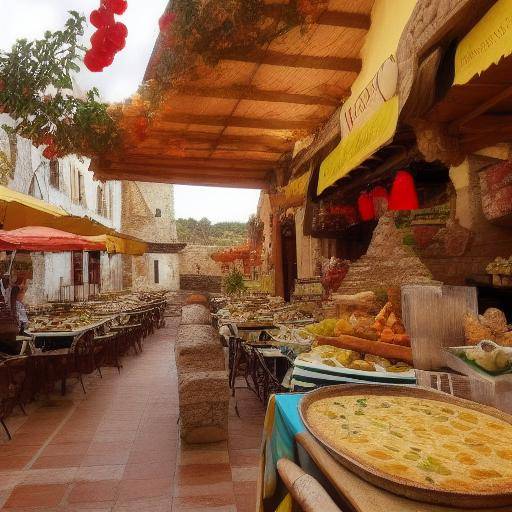
- Enjoy the gastronomy, including typical dishes such as the pretzel, the Bavarian sausage and the Schweinshaxe.
- Participate in cultural activities, such as traditional music, parades and folk demonstrations.
Conclusions and FAQs
Conclusions
The Oktoberfest is much more than a brewing party; it is a celebration rooted in the history and tradition of Germany, which has transcended borders and conquered the hearts of millions of people around the world. Its uniqueness lies in the combination of history, culture and fun, which makes it an emblematic and timeless event. As the Oktoberfest continues to evolve, its legacy will last, celebrating hospitality, camaraderie and the rich brewing tradition of Bavaria.
Frequently asked questions
1. What is the origin of the Oktoberfest?
The Oktoberfest originated in the celebration of the marriage of the Crown Prince Louis of Bavaria with Princess Teresa of Saxony-Hildburghausen in 1810.
2. What are the most representative traditions of the Oktoberfest?
Among the most representative traditions are the traditional costume parade, the opening ceremony with the parade of the brewers and the "Ein Prosit", known traditional toast.
3. How much beer is consumed during the Oktoberfest?
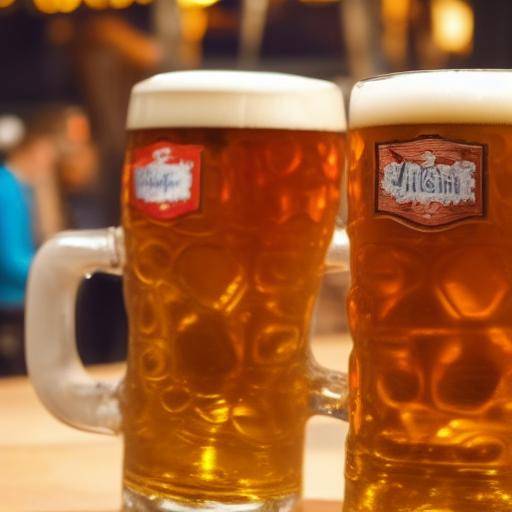
During the Oktoberfest, millions of liters of beer are consumed, with Oktoberfest beer being the most popular variety at the festival.
4. What is the economic importance of the Oktoberfest for Munich?
The Oktoberfest has a significant economic impact for the city of Munich, generating revenue through tourism, gastronomy and the sale of traditional products.
5. Is access to the Oktoberfest allowed for people of all ages?
Yes, the Oktoberfest is a family event that promotes the participation of people of all ages, with areas specially designed for children and families.
6. What are the dates of the Oktoberfest?
The Oktoberfest is held for approximately 16-18 days, beginning at the end of September until the first Sunday of October.
In short, the Oktoberfest is a celebration that transcends the mere enjoyment of beer to become a symbol of Germany's rich history and traditions. With myths and legends, this holiday awakes a sense of community and belonging that makes it unique in the world. By exploring its origins, traditions, and cultural symbolism, the real magic behind the Oktoberfest is revealed, perpetuating its place as an iconic event that continues to capture the imagination of people of all ages and origins.