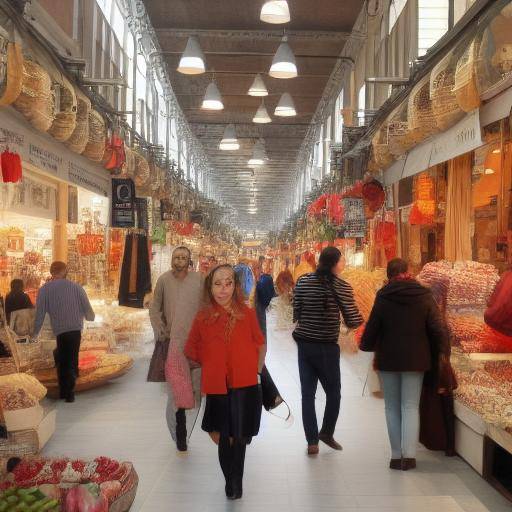
Istanbul markets, with their rich history and vibrant commercial environment, are an integral part of Turkey's cultural legacy. Since ancient times, these markets, known as "bazaar" in the local language, have been exchange centers where traditions intertwine with trade, creating a unique experience for visitors. In this article, we will explore the origin, history and importance of Istanbul markets, highlighting their influences on Turkish trade and culture.
Introduction
Discovering the Magic of Istanbul Markets
Istanbul markets, also known as Grand Bazaar and Spice Bazaar, are famous for their diversity of products, from exotic spices and colorful fabrics to unique antiques and artisanal jewelry. Their historic charm and role in world trade make them impermissible destinations for both tourists and locals. In this article, we will immerse ourselves in the fascinating world of Istanbul markets, exploring its evolution over the centuries, its impact on culture and trade, and the influences that have forged its singularity.
History and Background
Milenary Origins: A View to the History of Istanbul Markets
Istanbul markets have their roots in the ancient history of the city. Since its founding in 330 AD as the former Byzantium, the strategic location of Istanbul made it a meeting point for merchants from around the world. Already in the 15th century, during the peak of the Ottoman Empire, the Grand Bazaar had established itself as one of the most important shopping centers in the world.
Evolution to the Length of the Century: Treasures and Transformations
Over the centuries, Istanbul markets have witnessed invasions, wars, and political and cultural changes. However, they have managed to preserve their commercial and cultural essence, adapting to constantly changing demands. The expansion of the Ottoman Empire and the boom in trade in spices and silk boosted the development and diversification of markets, consolidating its position on the global trade network.
Icons of Turkish Culture: A Vision of Influence and Meaning
Istanbul markets are not only trade centres, but also reflect Turkey's rich cultural heritage. Traditional crafts, historical architecture and unique culinary experiences make these markets emblematic places where cultural diversity and Turkish tradition converge. The experience of traveling their labyrinthal alleys is a journey through time, where history comes to life in the treasures that are displayed and the stories that are shared.
Deep analysis
Benefits and Challenges: The Current Role of Istanbul Markets
The relevance of Istanbul markets in the modern commercial landscape goes beyond the simple exchange of goods. Its contribution to the Turkish economy, the promotion of tourism and the promotion of local handicrafts are key aspects that positively impact the community and the image of Turkey worldwide.
Current Trends and Perspectives: Where Are Istanbul Markets Directed?
In the digital era, Istanbul markets face the challenge of adapting to new dynamics of e-commerce and global tourism. The preservation of their authenticity and the integration of modern technologies pose challenges and opportunities that will shape their future and their contribution to the global landscape.
Extensive review
Applications and Best Practices: The Legacy of Istanbul Markets
Trade principles rooted in the history of Istanbul markets have relevant applications in modern world marketing and sales strategies. The ability to create unique experiences, the promotion of local crafts and the approach to authenticity are valuable lessons that can inspire global trade strategies.
Comparative perspective: Istanbul, History and Turkey markets
The influence of Istanbul markets in Turkey's history and culture is undeniable. Its role as pillars of commercial and cultural tradition offers a unique perspective to compare its influence on the evolution of the nation and its distinctive identity in the global context.
Practical Tips and Accessible Recommendations
Expert in Destination: Tips to Enjoy the Istanbul Markets
Exploring Istanbul markets is a transformative experience. From negotiating with merchants to tasting culinary delicacies, here you have the practical advice to make the most of your visit.
Perceptions of Industry and Expert Reviews
Industry Visions: Perspectives and Strategies for the Future of Istanbul Markets
We analyse the views of industry experts on the evolution and future of Istanbul markets, highlighting emerging trends and key strategies for their sustainability and continuous development.
Cases of Study and Applications in Real Life
Field Lessons: Cases of Study that Illustrate the Economic and Cultural Importance of Istanbul Markets
Through real case studies, we explore how Istanbul markets impact the local economy, promote traditional crafts and enrich the visitor's experience, offering valuable lessons for sustainable commercial and cultural development.
Future Trends and Predictions
To the Future: Emerging Trends and Predictions for Istanbul, History and Turkey Markets
We explore future trends that will shape the narrative of Istanbul markets, identifying key opportunities and potential challenges that will influence their evolution and global relevance.
Conclusion and Frequently Asked Questions
Conclusion
Istanbul markets are not only commercial destinations, but live testimonies of Turkish history and culture. Their impact on the economy, tourism and the promotion of local crafts places them as treasures that transcend time. We hope that this journey through its legacy has been enriching and that it will inspire you to further explore this cultural wonder.
Frequently asked questions
What is the oldest market in Istanbul?
The Grand Bazaar is the oldest market and one of the largest in the world, with a rich history dating back centuries.
What products are popular in Istanbul markets?
Spices, fabrics, ceramics, jewelry and carpets are some of the most popular products found in Istanbul markets.
What is the best time to visit Istanbul markets?
Spring and autumn are the ideal seasons to visit Istanbul markets, as the weather is pleasant and there are less crowds of tourists.
What role do Istanbul markets play in the Turkish economy?
Istanbul markets are a fundamental pillar in the Turkish economy, generating employment, promoting trade and contributing to tourism growth.
Can authentic and artisanal products be found in Istanbul markets?
Yes, Istanbul markets are known to offer authentic and artisanal products, making them ideal destinations to acquire unique memories.
What cultural experiences can be enjoyed in Istanbul markets?
In addition to trade, Istanbul markets offer culinary experiences, street shows and craft demonstrations that reflect Turkey's rich culture, providing a complete immersion in local tradition.
In short, Istanbul markets are much more than simple shopping centres. Their history, their influence on Turkish culture and their economic relevance make them living monuments of Turkey's wealth and diversity. In exploring their past, present and future, valuable lessons emerge on the intersection between trade, culture and national identity.
We hope that this exploration of Istanbul markets has been enlightening and has aroused your curiosity to discover more about this unique wonder in the world of trade and culture. Treat yourself to immerse yourself in the magic of Istanbul's markets and experience an unforgettable experience that encapsulates the essence of Turkey.
With this, we arrived at the end of our journey through Istanbul markets, its history and its impact on Turkey. Thank you for accompanying us on this journey!
Enjoy your next visit to Istanbul markets! ¡️