The Feria de Abril is an emblematic festival of Seville, Spain, which attracts visitors from all over the world with its folkloric charm, deep-rooted traditions and multicolored celebrations. In this article, we will explore the rich history and legends surrounding this celebration, as well as its impact on the city of Seville.
Introduction
The Feria de Abril, an event that combines joy, music, gastronomy and Andalusian traditions, has evolved over the centuries, becoming a cultural and social symbol of Seville. From its humble origins to its current splendour, the Feria de Abril has left an imbberable mark in the heart of this Spanish city and of those who visit it.
In this article, we will discover the fascinating origin of the Feria de Abril, the traditions that accompany it, the legends that surround it and its impact on Seville. From its beginnings as a modest cattle market to its transformation into one of the largest parties in Spain, we will explore every facet of this unique celebration.
History and Background
The history of the Feria de Abril dates back to the nineteenth century, when it was established as a cattle market that attracted merchants from different parts of Andalusia. Over time, this commercial event became a festive celebration that marked the end of Lent and the beginning of spring.
Origen Humildes
The April Fair originated in the area of Los Remedios, in Seville, where farmers and traders gathered to buy, sell and negotiate their products. The fair offered a unique opportunity to exchange livestock, agricultural products and handicrafts, becoming a crucial event for the local economy.
Evolution and Expansion
Over time, the April Fair transcended its commercial function and became a social, cultural and festive celebration that attracted people from all social classes. The houses, or temporary pavilions, began to appear to host meetings, dances, meals and holidays, thus marking the birth of the Fair as we know it today.
Influence and Meaning
The April Fair is not only a celebration, but also a reflection of the Andalusian and Sevillian identity. Its roots in the agricultural and livestock world have left an indelible mark in its character, with gypsy suits, short suits, horses, carriages and flamenco music as distinctive elements of the holiday.
Legends and traditions
The Feria de Abril is impregnated with legends and traditions that have lasted over the years, keeping alive the essence of the celebration. From passionate love stories to stories of heroic feats, the legends surrounding the April Fair add a mystical and romantic touch to this festival.
Impacto en Sevilla
The Feria de Abril is not only an international renowned cultural event, but also a source of pride and joy for the inhabitants of Seville. Its economic, social and tourist impact is undeniable, as it attracts thousands of visitors from all over the world and generates an economic vitality that benefits the city as a whole.
Analysis in Deep
An in-depth analysis of the Feria de Abril reveals its historical, cultural and social importance, as well as its influence in the city of Seville. Every year, this celebration attracts people everywhere, offering a unique experience that merges the traditional with the contemporary.
The Role of the Cases
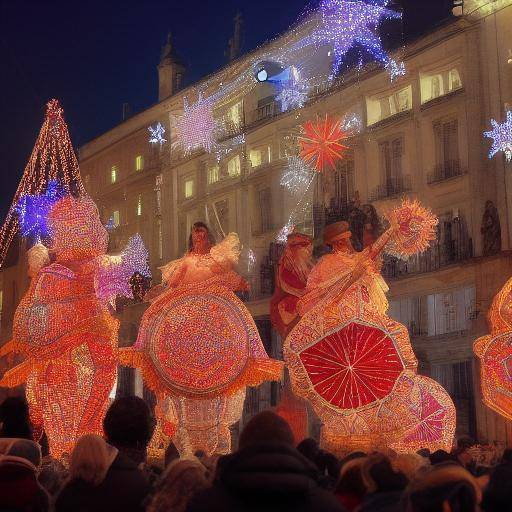
The cassettes are one of the most iconic elements of the April Fair. These temporary structures, adorned with festive lights and decorations, become the epicentre of celebrations. Within them, families and friends meet to enjoy music, dance and typical Andalusian food. The atmosphere within the houses is vibrant and welcoming, reflecting the spirit of the fair.
Fashion at the Fair
Traditional costumes play a crucial role at the April Fair. Women usually wear flamenco outfits, with flyers and live colors, while men wear short suits. This garment not only adds color to the fair, but also keeps alive an essential part of Andalusian culture.
Music and Dance
Flamenco is the soul of the Feria de Abril. Flamenco music and dance are omnipresent during the festivities, with performances taking place in the cassettes and in outdoor settings. The rhythm and passion of flamenco encapsulate the energy of the fair and offer an unforgettable cultural experience for visitors.
Gastronomy
Food is another fundamental aspect of the April Fair. Visitors can taste a wide variety of traditional dishes, such as fried fish, Iberian ham, manchego and rebujito cheese, a refreshing drink made of sherry wine and lime soda. Gastronomy at the fair is a reflection of the rich culinary tradition of Andalusia.
Comprehensive review
The April Fair has evolved significantly over the years, adapting to the demands and expectations of modern society. Its rooting in traditions and its ability to reinvent has made it a timeless holiday that continues to attract multitudes.
Innovations and Changes
Over the years, the April Fair has incorporated various innovations to improve the experience of visitors. From infrastructure improvements to the introduction of new activities and events, the fair has evolved without losing its traditional essence.
International participation
The April Fair not only attracts locals, but also visitors from around the world. Its reputation as one of the most outstanding events in Spain has grown over time, and every year international tourists come to Seville to live this unique experience.
Conclusion
The Feria de Abril is a celebration that encapsulates the essence of Seville and Andalusia. With its roots in a modest livestock market, it has grown to become an international renowned event that celebrates the culture, music, gastronomy and traditions of the region. Through its houses, traditional costumes, flamenco music and delicious food, the Feria de Abril offers a rich and vibrant cultural experience that continues to attract generations of visitors.
Frequently asked questions
When is the April Fair held?
The April Fair is held two weeks after Holy Week, usually in the month of April.
Is it necessary to wear a traditional costume to attend the fair?
It is not mandatory, but many attendees choose to wear traditional costumes to fully immerse themselves in the festive atmosphere.
What kind of activities can be enjoyed at the April Fair?
In addition to houses with music and dance, there are horse parades, fireworks and various attractions for all ages.
How has the April Fair changed over time?
It has evolved from a cattle market to a massive cultural celebration, incorporating new technologies and improving infrastructure to accommodate more visitors.
What impact does the April Fair have on the local economy?
It generates a significant economic impact, attracting thousands of tourists and benefiting local businesses, from hotels and restaurants to merchants and artisans.