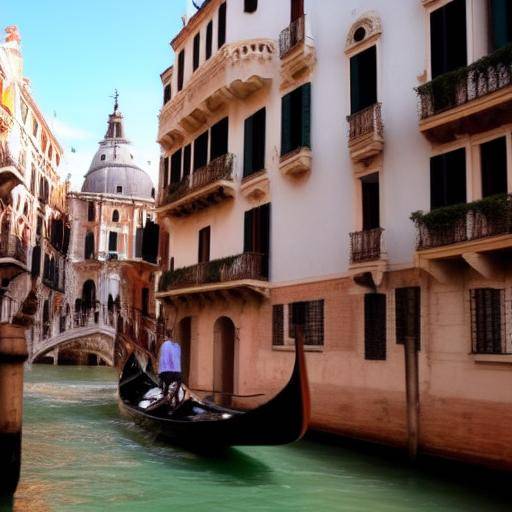
The Carnival of Venice is one of the most famous and enigmatic celebrations in the world. This event dates back to centuries of history, full of traditions and legends that have endured over time. In this article, we will explore the fascinating origin of the Carnival of Venice, its deeply rooted traditions and the legends that have engulfed it, offering a deep look at the history, Italy and the magic behind this extraordinary festival.
Introduction
With its elegant masks, dazzling costumes and an atmosphere of mystery and extravagance, the Carnival of Venice is a unique celebration that attracts visitors from all over the world. Known for its rich history and its emblematic holidays, the Carnival of Venice is an event that has resisted the test of time and continues to captivate its participants and spectators.
In this article, we will immerse ourselves in the magical origin of this historic carnival, exploring its deeply rooted traditions and legends that have shaped this unique holiday. From the first days of its creation to its modern meanings, we will discover the mysteries and wonders of the Carnival of Venice.
History and Background
The Origins of the Carnival of Venice
The Carnival of Venice has its roots in the history of the Republic of Venice, which dates back to the eleventh century. At that time, the nobles enjoyed weeks of celebration before the fast of Lent, a tradition that was maintained over the centuries. The carnival became a symbol of freedom, allowing people from different social strata to mix and enjoy unrestricted festivities.
The Carnival Evolution along the Ages
As the Carnival of Venice evolved over the centuries, it became a more sophisticated event including dances, theatrical performances and parades through channels and squares. The masks, dating back to the first days of the carnival, became an iconic symbol, allowing participants to hide their identities and enjoy the party anonymously.
The carnival faced numerous changes throughout its history, including prohibitions and resurgences, but it always managed to keep its charm and mystery intact.
The Carnival of Venice in the News
Today, the Carnival of Venice remains a celebration of Venetian history and culture. Visitors from all over the world come to the city to witness the magnificent holidays, including parades in gondolas, masks and dance contests in the historic palaces of Venice.
Traditions and Legends
The Magic of the Masks
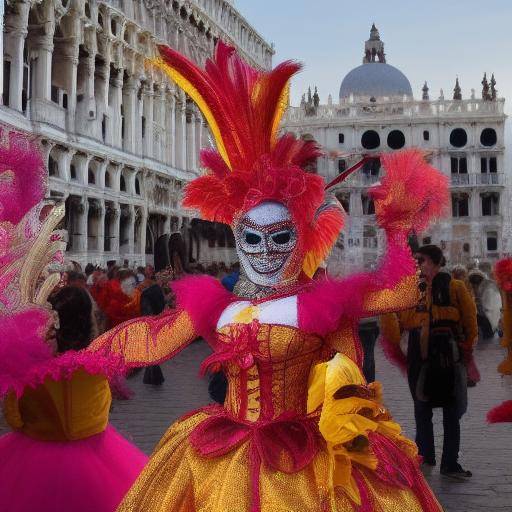
The masks have been a central element of the Carnival of Venice since its inception, and each has its own history and meaning. From the traditional "bauta" to the elaborate "moretta", the masks of the carnival embody the mystery and charm of this unique event.
It is said that the masks give their carriers extraordinary freedom, allowing them to behave without restrictions during the carnival. This tradition dates back to ancient times and has fed numerous legends that have enriched the history of carnival.
The Flight of the Angel and Other Emblematic Celebrations
In addition to the fascinating masks, the Carnival of Venice presents a series of emblematic events that enchant spectators. One of the highlights is "The Angel Flight", in which a disguised figure descends from the bell tower of the Basilica of San Marcos to the crowd that meets at the Plaza de San Marcos.
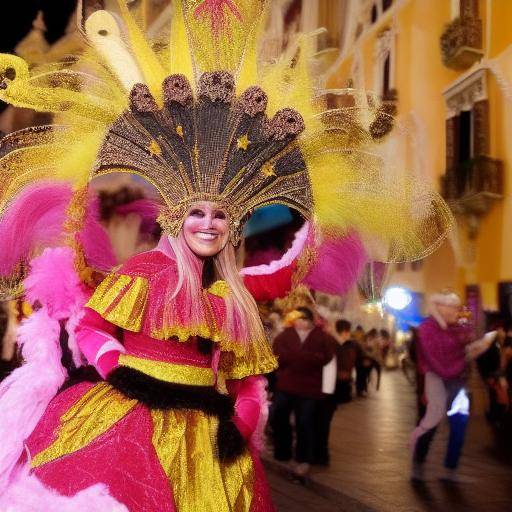
Other celebrations include mask competitions, costume parades and street theatre shows, all of which submerging participants in a world of fantasy and mystery.
The Legends that Enrich the Carnival of Venice
The Carnival of Venice is impregnated with legends that add an aura of mysticism to the event. One of the best known is the legend of the "Moretta", a female mask that was used mainly by women of high society. It is said that the captivating beauty of the mask and its silent restraint mechanism, which required biting a small button to hold it, led to numerous stories of secret love and mysterious encounters during the carnival.
Another popular legend is that of "Dux and Colombina", which tells the story of a duke who falls in love with a mysterious young masked during the carnival. History has been represented in numerous plays and operas, contributing to the cultural wealth of carnival.
Conclusion
The Carnival of Venice is much more than an annual celebration; it is a pillar of the history, tradition and magic of Italy. Through these accounts of past times, you can still feel the timeless charm of this extraordinary event that continues to captivate people from all over the world.
FAQs
1. What is the meaning of the masks in the Carnival of Venice?
The masks in the Carnival of Venice represent the freedom of expression and the celebration of diversity, allowing participants to enjoy anonymity and extravagance without restrictions.
2. When is the Carnival of Venice celebrated?
The Carnival of Venice is celebrated during the two weeks preceding the beginning of Lent, usually between February and March.
3. What is the story behind the "Vuelo del Angel" in the Carnival of Venice?
The "Vuelo del Angel" has its roots in an ancient Venetian tradition in which a young disguised woman descended from the bell tower of the Basilica of San Marcos to inaugurate the carnival.
4. What role did the restrictions play in the evolution of the Carnival of Venice?
Throughout its history, the Carnival of Venice faced restrictions and prohibitions that affected its evolution. However, these limitations also contributed to their mysterious and seductive nature.
5. How do Venetians prepare for Carnival?
Before the start of the carnival, the Venetians begin to elaborate their costumes and masks with months of anticipation, preparing for the holidays with great enthusiasm and dedication.
6. Why is Venice Carnival famous all over the world?
The Carnival of Venice has transcended borders thanks to its rich history, its impressive traditions and captivating legends, becoming an iconic event that attracts visitors from all over the world.
Through the legends, traditions and history behind the Carnival of Venice, it is clear that this event remains an inexhaustible source of fascination and charm, a legacy that continues to live today.