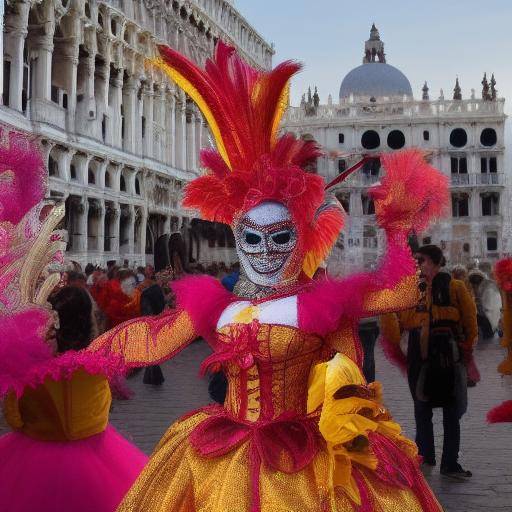
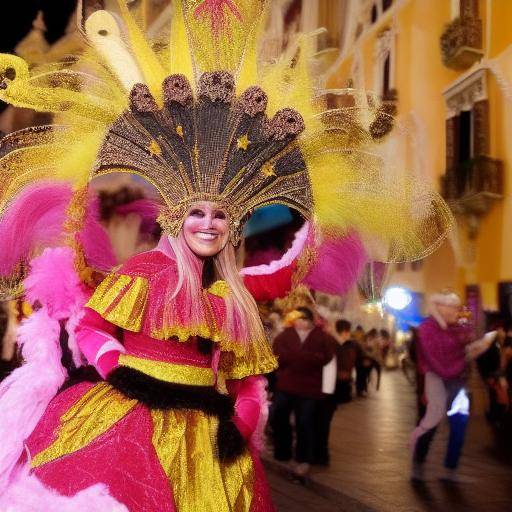
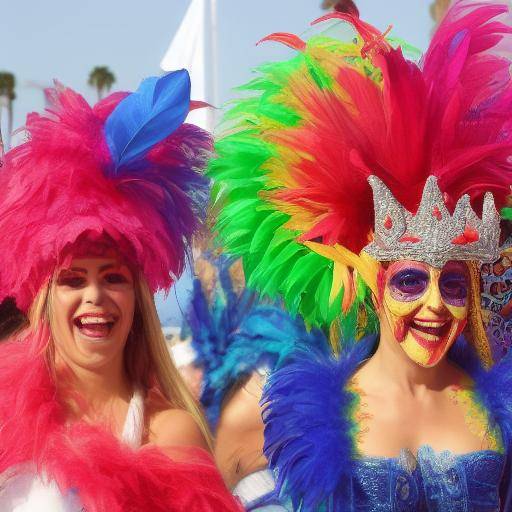
The Carnival of Nice is one of the most emblematic events in France, attracting visitors from all over the world with its dazzling parades, colorful costumes, and a contagious festive energy. In this article, we will explore the history, the deeply rooted traditions and the mystical legends that make the Carnival of Nice a unique cultural event. Get ready to enter a historic journey full of color and celebration.
Introduction
The Carnival of Nice, known as "the greatest carnival in the world", is not only a festive celebration, but also a tribute to the rich history and traditions of the region. In this article, we will discover the evolution of this extraordinary event over time, explore its historical origins and unearth the legends that have contributed to its timeless charm.
History and Background
The Carnival of Nice has its roots in the medieval period, when the pre-quaresmal holidays were an opportunity for the population to surrender to joy and extravagance before the arrival of Lent. As tradition evolved, the Carnival of Nice became an annual event that captured the imagination of people of all ages.
It is said that the first Carnival of Nice dates back to the thirteenth century, and has since experienced significant transformations. During the reign of King Charles Felix, in the nineteenth century, the Carnival acquired its current form with the incorporation of parades, decorated floats and battles of flowers, becoming a show that attracts crowds every year.
The rich history of this event is not exempt from iconic moments. One of the highlights was the union of the Avogadro brothers in the 1933 parade, which symbolized the reconciliation between France and Italy after centuries of conflict.
Analysis in Deep
The Carnival of Nice is not only a festive celebration, but also an important role in the local economy. According to recent statistics, Carnival-related tourism contributes millions of euros to the region's economy. This highlights its importance as an event not only cultural but also economic.
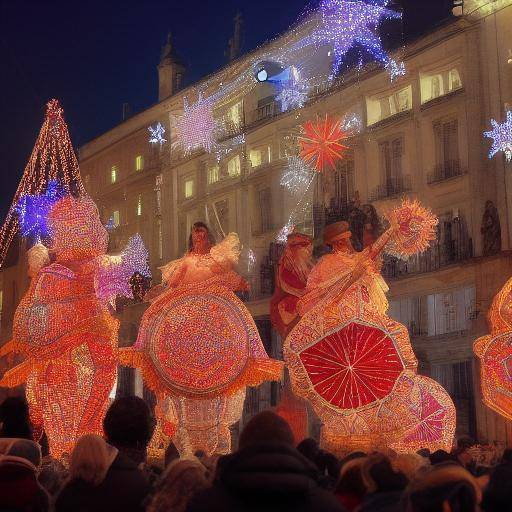
The parades, costume contests, and flower battles are not only visually dazzling shows, but also opportunities to preserve the traditions and folk art that give life to the Carnival of Nice. The local artisans who work in the making of the gigantic and elaborate allegorical cars and exquisitely detailed costumes are an integral part of the celebration, keeping alive the creativity and folklore of the region.
Comprehensive review
Although the Nice Carnival is synonymous with color and fun, it is not free of challenges. Crowd management, security and sustainability are critical aspects that need to be addressed to ensure that the festival remains a positive event for the community and the environment. Local authorities and Carnival organizers have implemented innovative measures to ensure security and sustainability, while maintaining the essence and emotion of the event.
Comparative analysis
Compared to other famous carnivals, such as the Rio de Janeiro Carnival, the Nice Carnival stands out for its focus on elegance and sophistication. While the Rio Carnival is known for its rampant energy and massive parades, the Nice Carnival is distinguished by its refinement and focus on artistic beauty. However, both share the passion and dedication towards the celebration of life and culture.
Practical Tips and Accessible Tips
Are you thinking of attending the Nice Carnival? Here are some practical tips to make the most of this unique experience:
- Plan ahead: Below preparing your trip in advance to get the best prices on accommodation and transportation.
- Dive into the experience: Make the most of the Carnival by participating in the parades, enjoying the battles of flowers and delighting with local cuisine.
- Respect for tradition: Respect the local traditions and the work of the artisans who make this show possible, enjoying the Carnival in a responsible way.
Perceptions of Industry and Expert Reviews
The experts in tourism and culture recognize the Carnival of Nice as a world-renowned event that attracts avid visitors to enjoy a unique and captivating experience. It is considered a cultural heritage that unites people from various backgrounds in a festive celebration of life and creativity.
Case Studies and Practical Applications
Over the years, the Carnival of Nice has inspired artists, writers, and filmmakers, becoming an inexhaustible source of inspiration. From works of art to films and novels, the carnival has transcended its physical borders to influence global culture, leaving an indelible mark on art and creativity.
Future Trends and Predictions
As the Nice Carnival continues to evolve, it is expected that it will continue to attract visitors from around the world, keeping its status as an unmatched event in the cultural and tourist scene. With a renewed focus on the sustainability and preservation of local traditions, a bright future for this iconic festival is visible.
Conclusion
The Carnival of Nice, with its history rich in traditions and its eternal charm, captivates visitors and locals alike. From its historical origins to its contemporary impact, this emblematic event continues to dazzle the world with its splendor and entrenched legends, ensuring its place as one of the most outstanding cultural celebrations worldwide.
FAQs
What is the origin of the Nice Carnival?
The Carnival of Nice has its roots in the medieval period, when the pre-quaresmal holidays allowed the population to surrender to joy and extravagance before the arrival of Lent. Over the centuries, these celebrations evolved into the iconic Carnival of Nice that we know today.
What are some of the most outstanding traditions of the Carnival of Nice?
Among the most outstanding traditions are the parades with decorated floats, the battles of flowers, the costume contests, and the election of the Queen of Carnival. These activities reflect the cultural and artistic wealth of the region.
What is the economic importance of the Carnival of Nice?
Tourism related to the Carnival of Nice brings millions of euros to the region's economy, which highlights its significant impact on the economic sphere, in addition to its cultural value.
How can I participate in the Nice Carnival?
Participation in the Nice Carnival is open to the public, and visitors can enjoy the parades, attend costume contests, and live the unique festive experience offered by the event.
What makes the Nice Carnival different from other famous carnivals?
Unlike other famous carnivals, the Carnival of Nice is distinguished by its focus on elegance and sophistication, highlighting artistic beauty and creativity in a celebration of life and culture.
What are some tips to enjoy the Carnival of Nice?
Planning ahead, immerse yourself in the experience, and respecting local traditions are some key tips to enjoy the Carnival. Ensure that you participate responsibly and contribute to the preservation of the event.
With this immersion in history, traditions, and mystical legends of the Carnival of Nice, we hope to have given a complete and enriching vision to our readers. The Carnival of Nice is not only an emblematic event, but also a living testimony of the rich cultural heritage of France. May this legacy perpetuate and continue to dazzle future generations with their unmatched splendor.
In conclusion, the Carnival of Nice is a celebration that goes beyond costumes and music: it is a vibrant expression of the identity and creativity of a community. With its historical roots, rooted traditions and captivating legends, this annual event remains a source of joy and awe for all those who have the privilege of experiencing it.