Introduction
In medieval times, castles were not only imposing fortresses, but also centers of culture and gastronomy. The delicious influence of medieval cuisine is intertwined with the historical and architectural wealth of castles, providing a fascinating view of life at that time. In this article, we will explore the medieval flavors and cuisine in times of castles, discovering how gastronomy and history intertwine uniquely in this specific environment.
History and Background
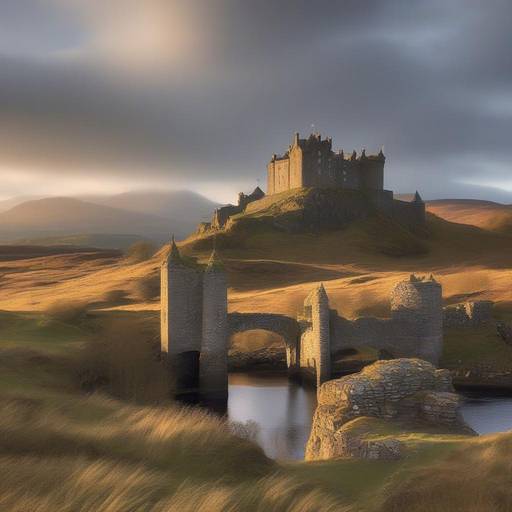
The history of the castles dates back to the Middle Ages, where these fortresses played a crucial role in the defense of territories and the power of the nobility. From the imposing castle of Warwick in England to the magnificent castle of Loarre in Spain, these structures have preserved the history and culture of their respective regions. Over the centuries, castles not only served as places of residence and defense, but also as centers of social and cultural activity.
In parallel, medieval gastronomy played a central role in the life of that time. The kitchens of the castles were real flavor factories, where the ingredients were mixed to create exquisite dishes that delighted kings, nobles and visitors alike. The recipes of the time reveal a unique combination of ingredients, spices and cooking techniques that have left a lasting legacy in culinary history.
Analysis in Deep
Gastronomy in castles was not only a matter of livelihood, but also an expression of power and status. The banquets and festins made in the castles were essential social events, where the food was presented as a manifestation of opulence and refinement. However, behind this ostentation, a complex supply, logistics and preparation network was hidden that supported the admirable variety of dishes presented.
Life in castles also influenced the way food was produced and consumed. The availability of ingredients, culinary technology and food traditions were mixed to shape medieval cuisine. In addition, the cultural interaction in the castles, where people from diverse backgrounds met, led to the fusion of culinary flavours and techniques, further enriching the gastronomy of the time.
Exhaustive examination
At present, castles and medieval gastronomy attract many visitors, eager to explore both the splendid architecture and the exquisite flavors that emerged between their walls. Preservation of medieval recipes and culinary techniques offers us the possibility of experiencing a part of history through the palate. It is amazing how gastronomy can serve as a bridge between the past and the present, offering us a tangible connection with moments and remote places.
Comparative analysis
As we explore the relationship between castles, gastronomy and history, it is evident that these three facets are intertwined in an intrinsic way. Castles provide a unique environment to understand how medieval gastronomy was shaped by social, political and geographical contexts. By exploring these elements together, we can get a more complete and profound view of the historical influence on the evolution of gastronomy.
Practical Tips and Accessible Advice
If you want to experience first-hand medieval gastronomy, consider visiting historic castles that offer special gastronomic events. Attending themed banquets or medieval festivals will give you the opportunity to immerse yourself in the culinary atmosphere of the time, tasting traditional dishes and discovering the secrets behind these historical delights.
Industry Perspectives and Expert Reviews
Culinary experts and historians offer us an invaluable insight into life and cooking in medieval castles. His research and analysis allow us to understand not only what he ate, but also the cultural and social meaning of gastronomy in that context. In addition, the restaurateurs and chefs specializing in medieval cuisine give us the opportunity to experience authentic flavors through their modern interpretations of historical recipes.
Case Studies and Real Life Applications
Various case studies reveal how gastronomy in castles was not only a food issue, but also a central aspect of daily life, diplomacy and cultural expression. The banquets and festins celebrated in the castles not only represented the opulence of the hosts, but also the complexity of the social and political relations of the time. These studies allow us to appreciate the wealth and symbolism associated with gastronomy in the surroundings of medieval castles.
Future Trends and Predictions
As culinary archaeology continues to unearth new perspectives on medieval gastronomy, we can anticipate a growing interest in historical gastronomic authenticity. The recreation and reinterpretation of medieval recipes, as well as research around forgotten culinary ingredients and techniques, promise to keep alive the influence of the gastronomy of castles in the contemporary culinary scene.
Conclusion
The cuisine in medieval castles is a living testimony of the intersection between history, architecture and gastronomy. By exploring this fascinating relationship, we can appreciate how food can be a tangible link to the past, connecting with the very essence of life in remote times. The preservation and study of gastronomy in castles allow us to taste history and understand it in a completely new way.
Frequently asked questions
**1. What was the role of gastronomy in the daily life of medieval castles?**Gastronomy in the castles was not only a nutritional function, but also a symbol of status, power and hospitality. Banquets and festins were key social rituals that affirmed the opulence and refinement of hosts.
**2. What ingredients were common in the kitchen of medieval castles?**The fundamental ingredients included meat (especially hunting), bread, legumes, fruits, vegetables, spices, herbs and dairy. The availability of ingredients varied according to the region and the season of the year.
**3. How were meals prepared in medieval castles?**The preparation of meals in the castles involved a thorough work in the kitchens, where furnaces, stoves and specialized utensils were used to cook and serve food.
**4. What famous festinies and banquets were held in medieval castles?**Remarkable events include weddings, coronations, political pacts and religious holidays. These events offered the opportunity to show the splendor and generosity of hosts through elaborate banquets.
**5. How did castles influence the evolution of regional gastronomy?**The castles played a crucial role in the diffusion and exchange of recipes, ingredients and culinary techniques between regions, thus contributing to the diversity and wealth of regional gastronomy.
**6. Where can I experience medieval gastronomy today?**Some historical castles, museums and specialized restaurants offer gastronomic experiences that allow visitors to taste authentic dishes of the medieval period and immerse themselves in the culinary atmosphere of the castles.
This article is a gateway to a fascinating world of flavours, history and architecture in medieval times. In exploring the intersection between castles, gastronomy and history, we enter a journey in the time that nourishes us both the intellect and the palate, giving us a more complete and appreciative understanding of life in past times.