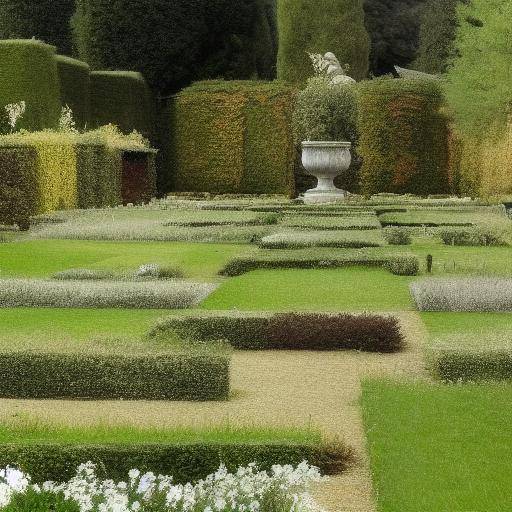
Versailles, an icon of the French monarchy, is a place that awakens the imagination and interest of millions of visitors every year. From its construction in the 17th century to the French Revolution, the Palace of Versailles has witnessed historical events, political intrigues and the splendor of royalty. In this article, we invite you to explore the fascinating history of Versailles, from its origins to its impact on contemporary France.
Introduction
The Palace of Versailles, located on the outskirts of Paris, is a magnificent symbol of the absolute power of King Louis XIV, also known as the "Rey Sol". This impressive complex not only served as a royal residence, but also encapsulated the opulence, art, politics and culture of the time. Throughout this article, we will travel through time to unravel the secrets and greatness of Versailles, exploring its influence in the history of France and the legacy that lasts until today.
History and Background
Versailles Origins: A Greatness Project
In 1624, Louis XIII acquired the land where the Palace of Versailles was erected, initially a humble hunting hall. However, it was his son, Louis XIV, who transformed this modest place into an unparalleled palatial complex. The vision of the Sun King aspired to centralize power and court, moving away from Paris to assert its authority.
The Golden Age of Louis XIV
Louis XIV turned Versailles into the centre of courteous life, where label, protocol and luxury prevailed. The monarch surrounded by courtiers, like Molière and Lully, used this magnificent residence as a symbol of his absolute power. The construction enriched artisans, architects and landscapers, leading to a golden era of French art and culture.
Versailles and the Revolution
After the death of Louis XIV, Versailles continued to be a political and social epicentre. However, its fate would be marked by the French Revolution. In 1789, the assault on the palace by the Parisian people symbolized the breaking of monarchical absolutism and the beginning of a new era in the history of France.
Restoration and Contemporary Legacy
After the Revolution, Versailles faced deterioration and abandonment before being restored by Napoleon and later by subsequent governments. Today, the palace is a living testimony of French history and a world-renowned tourist destination.
Analysis in Deep
The Cultural Influence of Versailles
The artistic legacy of Versailles, from its gardens to its halls, has endured for centuries. Classical architecture, garden sculpture and sumptuous paintings still inspire contemporary artists and designers, exerting a powerful influence on French and international culture.
The Enigma of Louis XIV
The figure of Louis XIV, with its absolute power and its extravagant lifestyle, continues to leave an indelible mark on the political and social history of France. His legacy remains the subject of controversies and debates in historiography, exploring the relationship between monarchy and absolutism in the seventeenth century Europe.
Versailles and Cultural Tourism
The Palace of Versailles attracts millions of tourists every year, offering a window to the splendour of the past and an opportunity to reflect on the events that shaped modern France. This tourist affluence has driven the local and regional economy, making Versailles a renowned cultural and tourist enclave.
Comprehensive review
The Heritage of Versailles and its Preservation
The preservation of the historic heritage of Versailles presents significant challenges, from architectural restoration to the sustainable management of its gardens. Conservation efforts are vital to ensure that future generations can appreciate and learn from this invaluable cultural legacy.
The Educational Power of Versailles
The educational impact of Versailles extends beyond tourism, with educational programs that offer students of all ages the opportunity to immerse themselves in the history, art and architecture of the palace. This educational approach contributes to the deepest appreciation and understanding of French and European history.
Technological Innovations and Virtual Experiences
The adoption of innovative technologies, such as virtual tours and increased reality experiences, has enriched the accessibility and experience of visitors. These innovations have allowed a wider audience, including people with reduced mobility or living in remote locations, to access the splendour and the history of Versailles.
Comparative analysis
Versailles and Other Royal Palaces
The comparison of Versailles with other royal palaces, such as Buckingham Palace or Schönbrunn Palace, reveals the different expressions of power and culture in Europe. These comparisons highlight both similarities and differences in architecture, political function and the historical impact of these iconic royal residences.
Repercussion of Louis XIV in European History
The reign of Louis XIV left a significant legacy in European history, influencing political systems, international relations and the evolution of the monarchy. Understanding the implications of his reign is crucial to appreciate the complexity of the historic events that shaped the European continent.
Practical Tips and Accessible Recommendations
Tips for Visiting Versailles
- Plan your visit in advance to avoid long rows.
- Consider hiring a tourist guide to get a rich perspective.
- It devotes time to explore both the elegant interiors and the exquisite gardens.
Conclusions and FAQs
Conclusions
The Palace of Versailles transcends time as a testament to the greatness, art and power of the French monarchy. Its influence endures in history, culture and tourism, providing a tangible link with the splendour and intrigue of Europe of the former regime.
Frequently asked questions
What is the best time of the year to visit Versailles?
Spring and summer offer an ideal climate to explore the lush gardens of Versailles.
What is the historical importance of the Hall of Mirrors?
The Hall of Mirrors was the scene of the signing of the Versailles Treaty in 1919, ending the First World War.
How did Versailles influence fashion and lifestyle during the reign of Louis XIV?
The opulence and label in the court of Versailles established standards of fashion and behaviour that influenced all European society.
What is the current economic impact of Versailles in the region?
Versailles generates employment and economic activity in sectors such as tourism, hospitality and trade, benefiting the local economy.
Can Versailles be rented for special events?
Yes, the palace and its gardens offer facilities for private and corporate events, providing a unique experience in a historic setting.
What measures are being taken to preserve the integrity and authenticity of Versailles in the future?
Conservation, restoration and sustainable management programmes are being implemented to ensure that Versailles remains a cultural legacy for future generations.
What is the importance of Versailles in the French national identity?
Versailles is a lasting symbol of the cultural and historical wealth of France, contributing to the national identity and attracting visitors from around the world to explore its legacy.
Conclusion
The history of the Palace of Versailles is a fascinating tale that spans from the time of Louis XIV to the French Revolution and beyond. Its architectural splendour, its cultural legacy and its influence in European history make it a must-have destination for lovers of history, art and architecture. Versailles remains a living testament to the power, opulence and evolution of French society, providing a unique window to the past and a lasting legacy for future generations.
Throughout this article, we have explored the rich history of the Palace of Versailles, from its origins during the reign of Louis XIV to its role in contemporary France. This emblematic place has left a profound mark on European history, culture and heritage, attracting visitors from all corners of the world to marvel at its splendor and timeless charm.