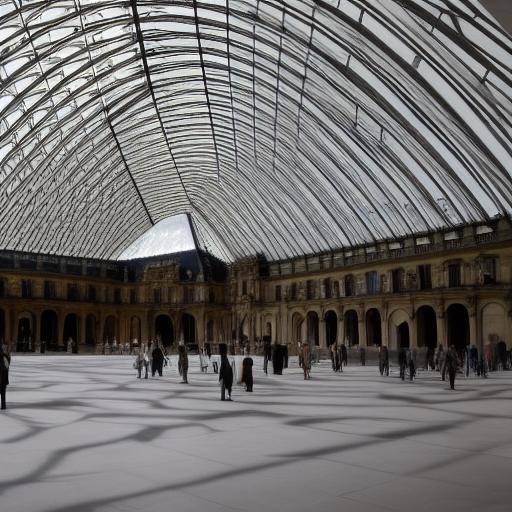
The Palace of Versailles is an iconic symbol of opulence and splendour that embodies the apex of monarchical absolutism in France. Its extensive gardens, majestic rooms and rich artistic details witness a time when the French court was immersed in a world of protocols, luxury and entertainment. In this article, we will explore the customs and extravagances of the court of Versailles, providing an intimate look to life in this historic enclave, its impact on French culture and its relevance in the history of France.
Introduction
The Palace of Versailles, located on the outskirts of Paris, was an emblematic creation of King Louis XIV, known as the Sun King. This magnificent palace was not only a royal residence, but it was also the epicenter of the political, social and cultural life of France during the seventeenth century and part of the eighteenth century. The court of Versailles, marked by a strict label, elaborate protocols and an unbridled waste, became the model par excellence of courteous life in Europe.
Throughout this article, we will explore the different facets of life in Versailles, from everyday customs to extravagances that amazed all of Europe. Dive into this journey through time to discover a world of luxury, passion and drama that characterized the court of Versailles.
History and Background
The Palace of Versailles did not come from nothing; its history dates back to an era marked by significant political, social and cultural changes in France. In 1661, Louis XIV began the construction of the palace, with the intention of removing the nobility of Paris and at the same time keeping it under its strict control. The splendor of Versailles not only reflects the power of the Sun King, but also the ability of the monarchy to centralize power around the figure of the king.
The Opulence of Versailles
The construction of the palace of Versailles was a monumental project that challenged the limits of the design and architecture of its time. The most talented artists, architects and artisans were summoned to transform a modest hunting house into a dazzling palace that symbolized the absolute power of the king. With its impressive gardens, ornamented pavilions and sumptuous rooms, the palace embodied the grandeur and opulence of the French monarchy.
The Protocol and Label
Life in the court of Versailles was governed by an elaborate set of norms, ceremonies and labels that dictated every aspect of everyday life. From the way of dressing to the way of talking and acting, everything in Versailles was subject to a strict protocol that reflected the rank and status of each person in court. The fulfillment of these rules was crucial to maintaining the king's favor and gaining influence in court.
The Extravagances of the Court
The court of Versailles was not only a protocol and label setting, but it was also the centre of a world of excessive luxury, fast entertainment and unprecedented displays of wealth. Dances, festins, gambling and theatrical performances were just some of the many activities that occupied the time of the aristocracy in Versailles. The parties and events in the palace not only sought to entertain, they were also key instruments to maintain the control and loyalty of the nobility.
Deep analysis
The customs and extravagances of the Versailles court not only reflected an ostentatious lifestyle, but also significantly influenced the development of French culture and its impact on history. Art, fashion, music and literature in Versailles played a crucial role in the formation of the cultural identity of France.
The Cultural Influence of Versailles
The patronage of the arts by the monarch contributed to the flourishing of creative talents and the emergence of masterpieces that would define the French culture. The court of Versailles became a centre of artistic excellence, where ballets, operas and theatrical pieces were produced that influenced the taste and tendencies of the time. The fashion in Versailles, with its elaborate costumes and hairstyles, also dictated trends throughout Europe.
Comparative analysis
The contrast between life in Versailles and French culture in general reveals the similarities, differences and the mutual influence between both sides. The extravagance of the court contrasts with the daily life of the French people, but also enriches it with artistic and cultural elements. While Versailles represented splendour and excess, the rest of France continued with a more modest life, which further highlighted the greatness of the court.
Future Councils and Visions of Experts
Exploring Versailles today offers a fascinating perspective on its history and legacy. For those who wish to visit the palace, it is advisable to plan in advance and take advantage of guided tours to get a deeper understanding of life in the court. The experts in French history and culture highlight the importance of Versailles as a symbol of absolute power and the centralization of the state in the figure of the king.
Case Studies and Practical Applications
The study of life in Versailles provides valuable lessons on the use of power, the importance of art and culture in politics and the management of public image. The centralisation of power in Versailles is an example of how architecture and environment can be used to strengthen authority and control the nobility. The artistic patronage practices of King Sol are also a model of how investment in culture can strengthen national identity and project power.
Future Trends and Predictions
Analysing emerging trends in the conservation and promotion of cultural heritage, an increase in the interest of Versailles and its historical relevance can be foreseen. Digital technologies and virtual reality experiences offer new ways to explore and understand life in court, allowing a wider audience to experience the grandeur and complexity of Versailles.
Conclusion
In short, life in Versailles was a microcosm of splendor and excesses, whose footprints endure in the culture and history of France. The court of Versailles shows the influence and contrasts between royalty and popular culture, highlighting how excesses and opulence have left an indelible mark in French history.
FAQs
1. What was the main purpose of the Palace of Versailles?
The main purpose of the Palace of Versailles was to remove the nobility of Paris and keep it under the strict control of the king, symbolizing the absolute power of the French monarchy.
2. How did the court of Versailles influence the cultural identity of France?
The court of Versailles played a crucial role in the formation of the cultural identity of France through the patronage of arts, fashion and influence in social and cultural norms.
3. What activities occupied the time of the aristocracy in Versailles?
The activities included dances, festins, gambling and theatrical performances, which were part of the fabulous entertainment that marked the daily life in Versailles.
4. What was the legacy of the court of Versailles in French history?
The legacy of the court of Versailles includes the influence on the artistic and cultural development of France, as well as the representation of the absolute power of the monarchy and its extravagances.
5. How did life differ in Versailles of French popular culture?
Life in Versailles was marked by excessive splendour and a strict protocol that contrasted with the daily life of the French people, thus enriching the general culture of France.
6. What were the highlights of art and music in the court of Versailles?
The patronage of the arts by the king and the presence of talented musicians and artists led to a creative flourishing that produced masterpieces of French culture.
In short, life in Versailles, with its customs and extravagance, is part of a cultural legacy that transcends time and continues to influence the perception of the French monarchy and culture.